IRS appeal in Kwong case could reopen pandemic-era tax refunds
The IRS appeal in Kwong could revive old pandemic-era refund claims, with some taxpayers facing a July 10 deadline to preserve rights.
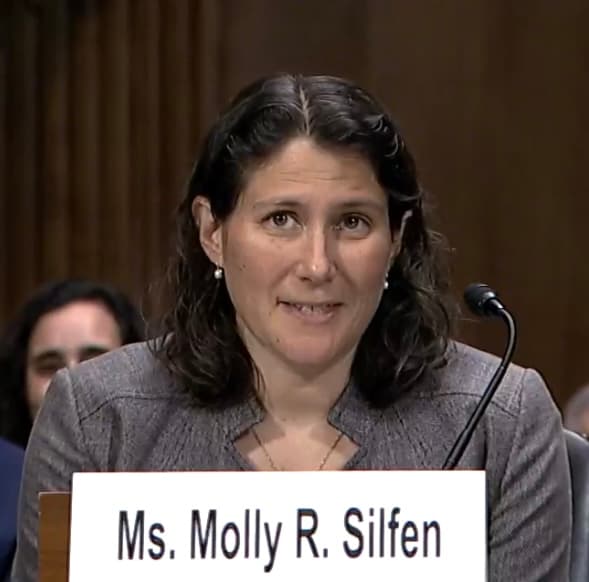
The IRS has appealed the Kwong ruling, and that move could change how tax teams handle refund claims tied to pandemic-era deadlines, especially for penalties, interest and other missed claims from 2019 through 2022. The case now sits at the center of a practical question that matters inside Big 4 tax practices: whether teams need to reopen old files, preserve claims before July 10, 2026, and warn clients that ordinary statute dates may not tell the full story.
The U.S. Court of Federal Claims issued its reported opinion in Kwong on Nov. 25, 2025, in docket No. 1:23-cv-00267, with Judge Molly R. Silfen presiding. The court granted in part and denied in part the government’s motion for summary judgment and held that Section 7508A(d)(1) automatically postponed the Section 6532(a) two-year suit deadline because of the COVID disaster declaration. The taxpayer, Terry W. Kwong, had sought refunds of penalties paid for tax years 2007, 2010 and 2011.

The broader stakes are much larger than one taxpayer. National Taxpayer Advocate Erin Collins warned that the ruling could matter for tax years 2019 through 2022, and the Taxpayer Advocate Service has said tens of millions of taxpayers may be entitled to refunds or abatements of COVID-era penalties and interest. TAS has also said most affected taxpayers generally must file claims on or before July 10, 2026, while the appellate process plays out.
For KPMG tax teams, the case is the sort of procedural fight that can create immediate client value and immediate workload pressure. Advisors may need to comb through IRS account transcripts to identify penalties and interest that could be eligible for relief, then decide whether formal refund claims or protective claims are necessary to keep options alive. That matters for controversy specialists, compliance teams, and client-service leaders alike, because a delayed review could mean a lost refund opportunity once the deadline passes.
TAS said the relevant disaster period ran from Jan. 20, 2020, through May 11, 2023, plus an additional 60 days, which it said pushed returns and payments due in that window past the usual late-filing line until after July 10, 2023. If the IRS appeal ultimately narrows the Court of Federal Claims’ reading of Section 7508A, firms may have to revisit assumptions about refund timing, penalty abatements and how far pandemic relief can reach. For practitioners already managing busy-season demands and pressure on partner-track teams, the appeal adds another deadline-sensitive issue that cannot wait for the courts to finish sorting it out.
This article was produced by Prism’s automated news system from verified source data, official records, and press releases, then run through automated quality and moderation checks before publishing. The system is built and supervised by the people who set the standards it runs under. Read our full AI policy.
Did this article answer your question?


.pdf%2F_jcr_content%2Frenditions%2Fcq5dam.thumbnail.319.319.png&w=1920&q=75)