IRS creates new tax professional office, promising efficiency for KPMG teams
The IRS will fold preparer oversight and discipline into one office on June 28, a change KPMG teams may feel first in notices, escalations and practitioner routing.

The IRS is putting its tax professional functions under one roof, and that could matter for KPMG teams the next time a filing issue, preparer compliance question or Circular 230 matter gets stuck in the agency maze. Beginning June 28, the new Tax Professional Management Office will align the Return Preparer Office and the Office of Professional Responsibility under Chris Pleffner, with the IRS saying the move is meant to simplify and modernize how it works with the tax professional community.
For practitioners, the immediate takeaway is not a new rulebook. The IRS said the merger will not change the distinction between credentialed tax professionals and uncredentialed preparers, and it said the missions of the two offices will stay intact. What should change is the front end of the relationship: a cleaner interface, fewer handoffs and a more centralized path for issues tied to professional standards, preparer compliance and administrative coordination. For KPMG tax teams that spend busy season chasing responses, that could mean less friction when a notice, registration problem or practitioner-status question needs to move through the agency.

The old split was clear enough. The Return Preparer Office oversees PTINs, enrollment programs, IRS-approved continuing education providers and the Annual Filing Season Program. The Office of Professional Responsibility enforces standards of competence, integrity and conduct under Circular 230 for enrolled agents, attorneys, CPAs and other covered practitioners. The IRS says those roles will remain separate within TPMO, even as they are aligned under one leader. In practice, that suggests the same underlying authorities, but a more unified escalation path for firms trying to get to the right person faster.
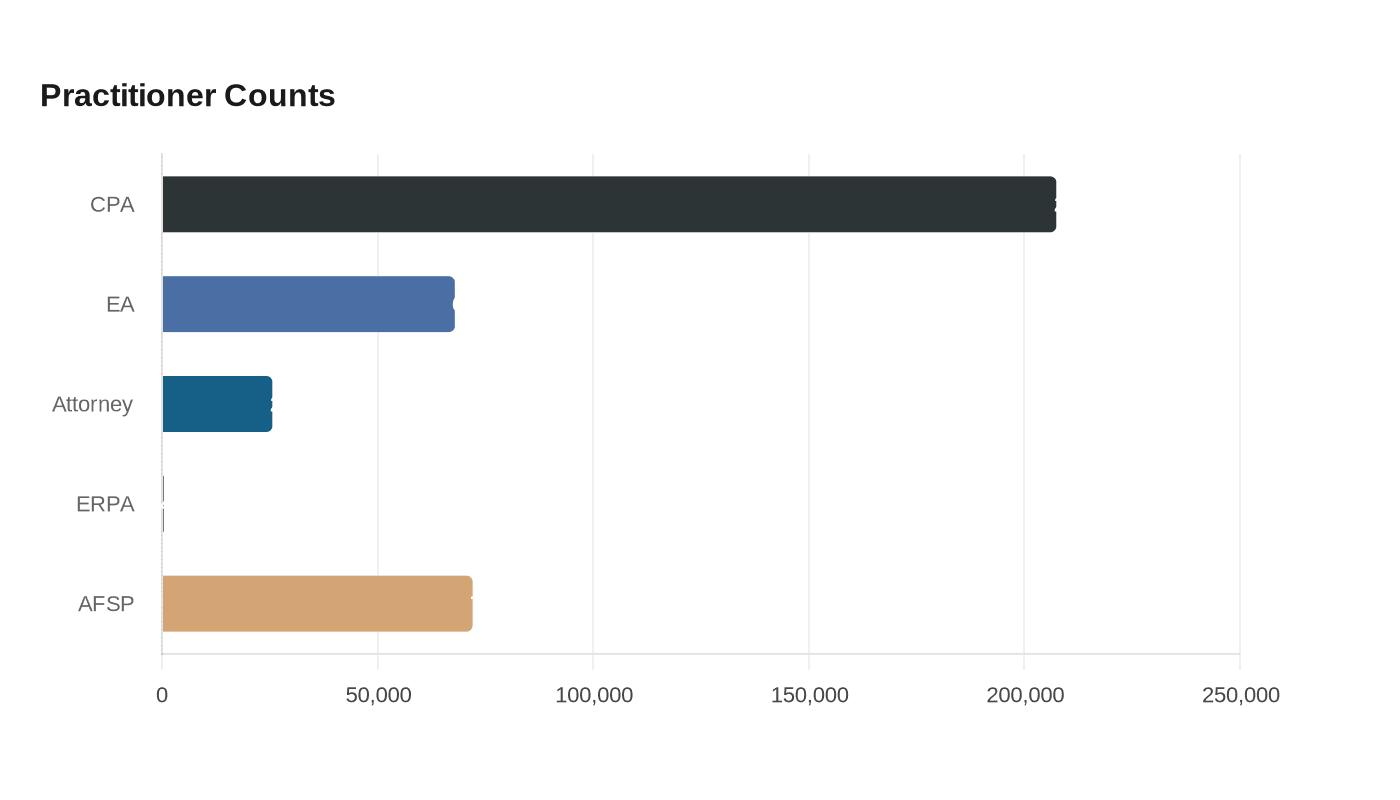
The scale of the practitioner system helps explain why the IRS is making the change now. As of June 1, 864,569 individuals had current PTINs for 2026, and the agency had issued 2,300,089 cumulative PTINs since September 28, 2010. The IRS counted 207,405 CPAs, 67,915 enrolled agents, 25,598 attorneys, 441 enrolled retirement plan agents and 72,018 Annual Filing Season Program records of completion. It also continues to use the 2026 Nationwide Tax Forum, a three-day series in Chicago, New Orleans, New York City, Orlando and San Diego, with more than 40 seminars and workshops at each stop, up to 18 continuing education credits and case-resolution appointments with IRS subject-matter experts.
The timing matters too. The IRS Advisory Council has been pushing on taxpayer service, compliance and administrative issues, while the National Taxpayer Advocate warned last year that workforce losses and funding cuts could hit the 2026 filing season. Against that backdrop, TPMO looks less like a cosmetic reshuffle than an attempt to keep practitioner service from fraying further. For firms like KPMG, the real test after June 28 will be simple: whether the new office actually shortens the path to resolution, or just changes the label on the same bottleneck.
This article was produced by Prism’s automated news system from verified source data, official records, and press releases, then run through automated quality and moderation checks before publishing. The system is built and supervised by the people who set the standards it runs under. Read our full AI policy.
Know something we missed? Have a correction or additional information?
Submit a Tip