IRS plans system to track missing payments, easing KPMG tax burden
Manual tracking left $218 million unresolved and pushed work into paper files and spreadsheets. A new IRS system could cut rework for KPMG tax teams during the busiest compliance cycles.
A missing payment can turn into a full-scale client-service problem long before the IRS ever resolves it. The Treasury Inspector General for Tax Administration found that the agency still tracked unidentified payments manually, through spreadsheets and paper files, even as unresolved money piled up across Tax Processing Centers.
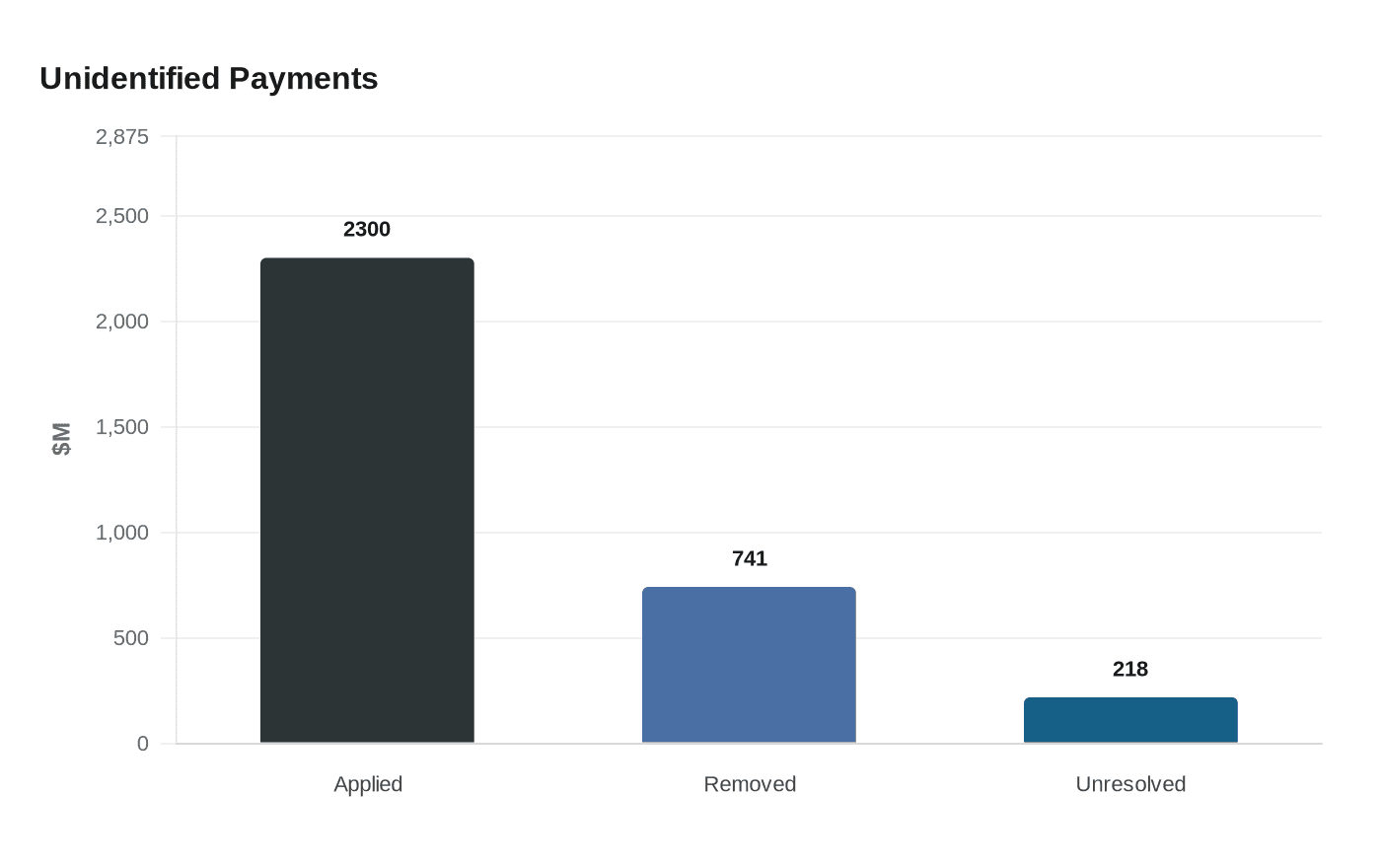
The watchdog’s May 21 report said the IRS received more than 302.6 million payments totaling over $5.4 trillion in calendar year 2025, including about 41.4 million paper payments and 261.2 million electronic payments. From fiscal 2022 through 2024, the IRS had about $3.2 billion in unidentified payments. It successfully applied about $2.3 billion to taxpayer accounts, while about $741 million was removed from inventory or transferred to excess collections after sitting unresolved for a year, and about $218 million remained unresolved.

For KPMG tax professionals, that backlog is more than an internal IRS housekeeping issue. Unidentified payments can trigger notices, penalties, reconciliation disputes and extra follow-up work for client teams already juggling filing deadlines, controversy matters and managed services obligations. When the government cannot match a payment to the right taxpayer, the burden shifts to practitioners to produce cleaner records, respond faster and keep clients out of limbo while accounts remain out of balance.

TIGTA said unidentified payment inventory is not centrally managed in a case management system. Instead, the IRS tracks three separate inventories through each Tax Processing Center’s accounting system, with cases assigned and monitored manually. The report also said the agency does not have timeliness criteria to measure whether the program is working. In one example, the Ogden, Utah Tax Processing Center handled about 40% of the inventory while the Kansas City, Missouri center handled about 11%, yet both had the same staffing level.
The IRS has already put an interim process in place to track what it called hardcore payment tracers while it works toward a broader electronic case management system. TIGTA tied the issue to Executive Order 14247, Modernizing Payments To and From America’s Bank Account, which pushes agencies away from paper-based payments, even though paper still makes up a significant share of IRS volume. The IRS agreed with TIGTA’s recommendations to build an electronic system and create metrics for timeliness and program effectiveness, a change that could shorten case resolution times and reduce the rework tax teams absorb when peak-season compliance pressure meets slow government processing.
This article was produced by Prism’s automated news system from verified source data, official records, and press releases, then run through automated quality and moderation checks before publishing. The system is built and supervised by the people who set the standards it runs under. Read our full AI policy.
Did this article answer your question?


.pdf%2F_jcr_content%2Frenditions%2Fcq5dam.thumbnail.319.319.png&w=1920&q=75)