IRS staffing drops 28 percent, raising tax processing risks for KPMG teams
IRS cuts and uneven hiring are slowing the agency KPMG tax teams rely on, raising the odds of delayed notices, longer refunds, and tougher controversy work.
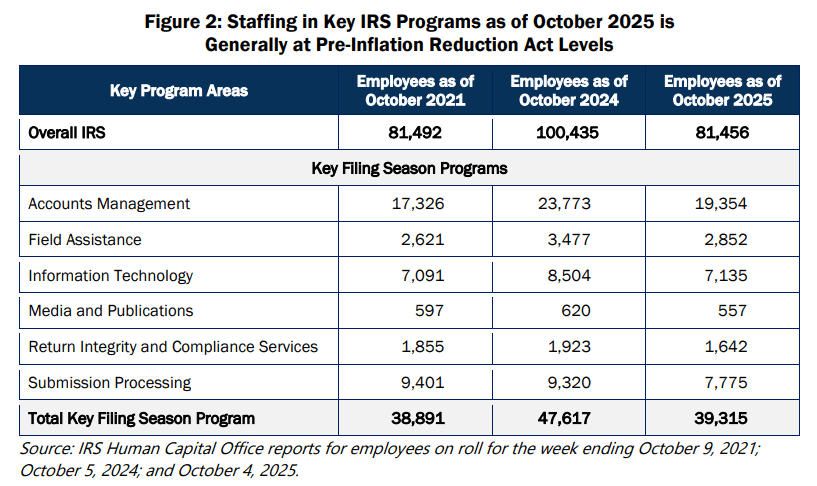
KPMG tax teams should expect a slower, less predictable IRS over the next 6 to 12 months. The agency lost depth in the very functions that drive audits and filing support, which means more time spent documenting positions, answering notices earlier, and warning clients that amended returns, correspondence, and refund questions may sit longer.
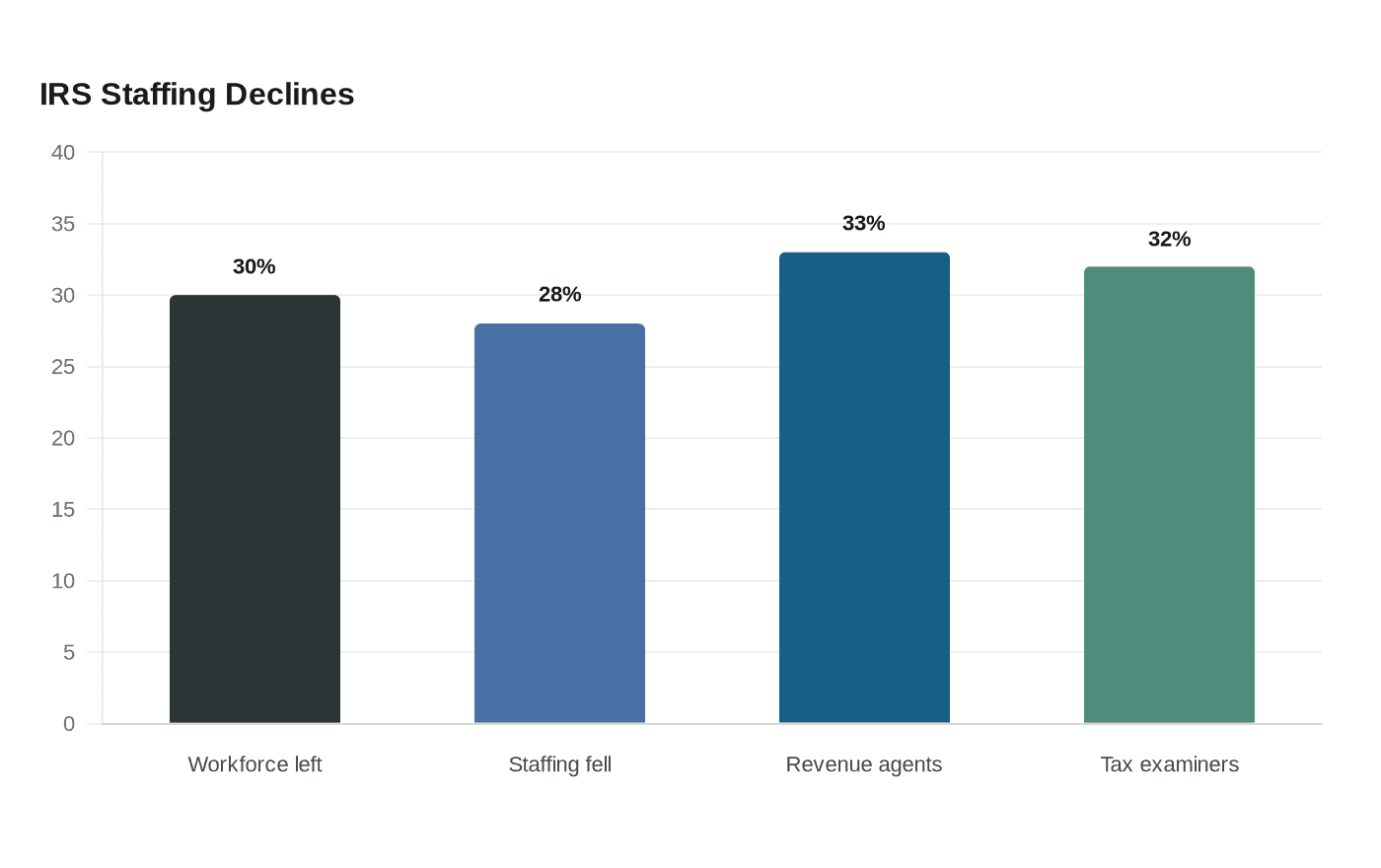
The sharpest signal came from the Treasury Inspector General for Tax Administration’s June 9 workforce snapshot. TIGTA said 31,273 IRS employees separated, took a deferred resignation offer, or left through another incentive between January 2025 and January 2026, about 30 percent of the agency’s workforce. Even after roughly 2,000 hires by January 2026, staffing still fell 28 percent. The losses were concentrated where tax practitioners feel them most: about 33 percent of revenue agents and about 32 percent of tax examiners separated.

That matters for controversy, planning and filing support because those are the staffers who keep cases moving. TIGTA warned in its 2026 filing-season memorandum that the IRS faced elevated operational risks from staffing shortages, delayed hiring and significant backlogs, including growing inventories of amended tax returns and taxpayer correspondence. For KPMG, that points to slower audit pacing, longer response cycles on notices and more friction when clients need a quick ruling or account-level clarification.
The staffing picture also fits a pattern Erin M. Collins has been flagging for more than a year. In June 2025, the National Taxpayer Advocate said the IRS workforce had already fallen by more than 25 percent, to fewer than 76,000 from 102,000 at the start of filing season, and warned the 2026 season was at risk from job losses and funding cuts. By Jan. 28, 2026, Collins said taxpayers generally fared well in 2025 and most were likely to have a smooth 2026 filing experience, but taxpayers who ran into problems could face greater challenges.
That warning is easier to understand when measured against the IRS’s 2025 service levels. The Taxpayer Advocate Service said the agency timely processed more than 98 percent of individual returns, issued refunds for more than 60 percent of filed individual returns, and achieved an 87 percent level of service on Accounts Management toll-free lines with a three-minute average wait time. It also provided 15,000 extended weekday hours at Taxpayer Assistance Centers. Those numbers show what the system can do when it is still functioning well, and why the loss of front-line and technical staff now raises the risk that service quality erodes once cases become complicated.
External observers have also pointed to the strain. Journal of Accountancy reported that more than 11,000 workers left Taxpayer Services and that the IRS reassigned 1,173 higher-paid employees to lower-grade positions. Brookings has also noted unprecedented leadership turnover. For KPMG, the practical takeaway is straightforward: the IRS may be entering a period in which clients still expect normal service, but the agency has less capacity to deliver it, making early documentation and tighter case management more important across tax season and beyond.
This article was produced by Prism’s automated news system from verified source data, official records, and press releases, then run through automated quality and moderation checks before publishing. The system is built and supervised by the people who set the standards it runs under. Read our full AI policy.
Did this article answer your question?


.pdf%2F_jcr_content%2Frenditions%2Fcq5dam.thumbnail.319.319.png&w=1920&q=75)