KPMG and Google Call for Coordinated Policy to Scale Asia-Pacific GreenTech
KPMG and Google's joint report warns Asia-Pacific's $10 trillion decarbonisation opportunity is at risk as green tech stalls at pilot stage due to structural funding gaps.

A joint report published by KPMG and Google on March 11 found that Asia-Pacific has reached a critical climate inflection point, with green technology momentum accelerating across the region but falling well short of the commercial scale needed to address mounting climate, economic, and social pressures.
The report, titled "Potential to progress: Scaling Asia Pacific's GreenTech ecosystems," was produced in collaboration with the United Nations ESCAP Sustainable Business Network and assessed the current state of GreenTech financing, policy, and commercialisation across the region. Its central warning: policy ambition, corporate demand, and investor interest are all growing, but structural barriers continue to prevent solutions from moving beyond pilot stages to commercial scale.
The stakes are significant. Asia-Pacific is one of the world's most climate-vulnerable regions, with communities facing disproportionate exposure to extreme weather events. The report projected that unlocking the region's decarbonisation potential could represent a US$10 trillion economic opportunity by 2050, but reaching that figure would require a decisive shift toward market-ready and bankable GreenTech solutions rather than continued reliance on early-stage experiments.
The path forward, according to the report, runs through three interlocking actions: aligning national climate plans with corporate ESG transparency, adopting innovative financing approaches, and closing what several KPMG colleagues identified as the critical mid-stage funding gap. Laura Barnes, writing on LinkedIn, put it plainly: "Closing the mid-stage funding gap for GreenTech is one of the most critical pieces of the puzzle. Great to see KPMG, Google, and UN ESCAP joining forces to move this agenda forward."
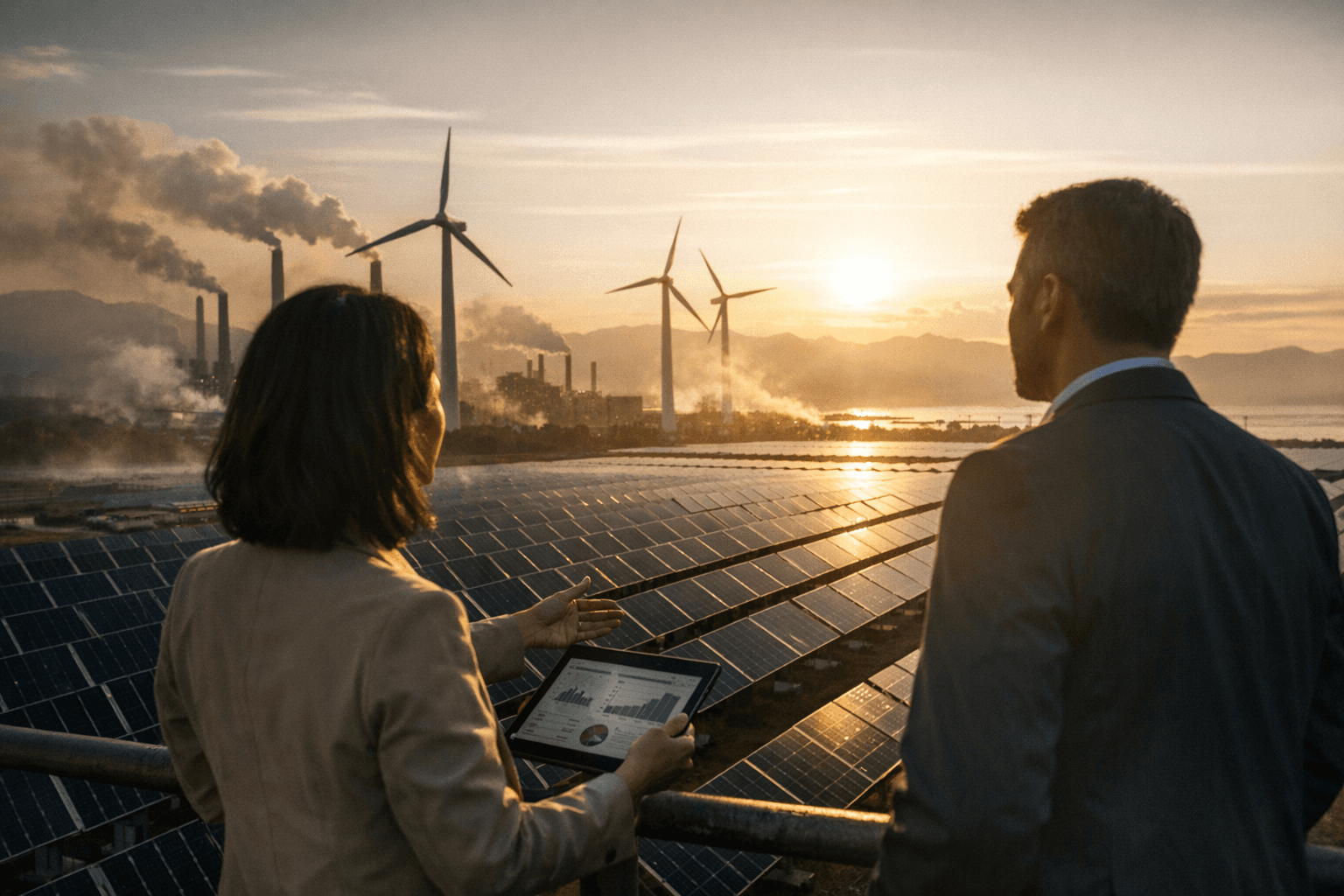
The report argued that coordinating these levers could allow the region to turn climate vulnerability into a foundation for sustainable growth and long-term competitiveness, rather than treating it solely as a risk to be managed.
KPMG ASPAC colleagues amplified the findings across LinkedIn in the days following publication. Darren McGann described the report as exploring "how ASPAC can accelerate decarbonization by unlocking practical, scalable pathways that align technology, policy, and industry action," a framing echoed by Blythe Chorn and Josh Folk in similar posts.
The report did not name specific countries, GreenTech companies, or individual financing instruments in the available extracts, leaving the implementation detail to follow-on engagement with policymakers and investors across the region.
Know something we missed? Have a correction or additional information?
Submit a Tip