KPMG audit and tax staff weigh CPA path as global testing expands
KPMG auditors should treat the CPA as a career map, not a distant credential. The real choice is when to start, how to fit the exam around client work, and whether tax or advisory roles make it worth moving early.
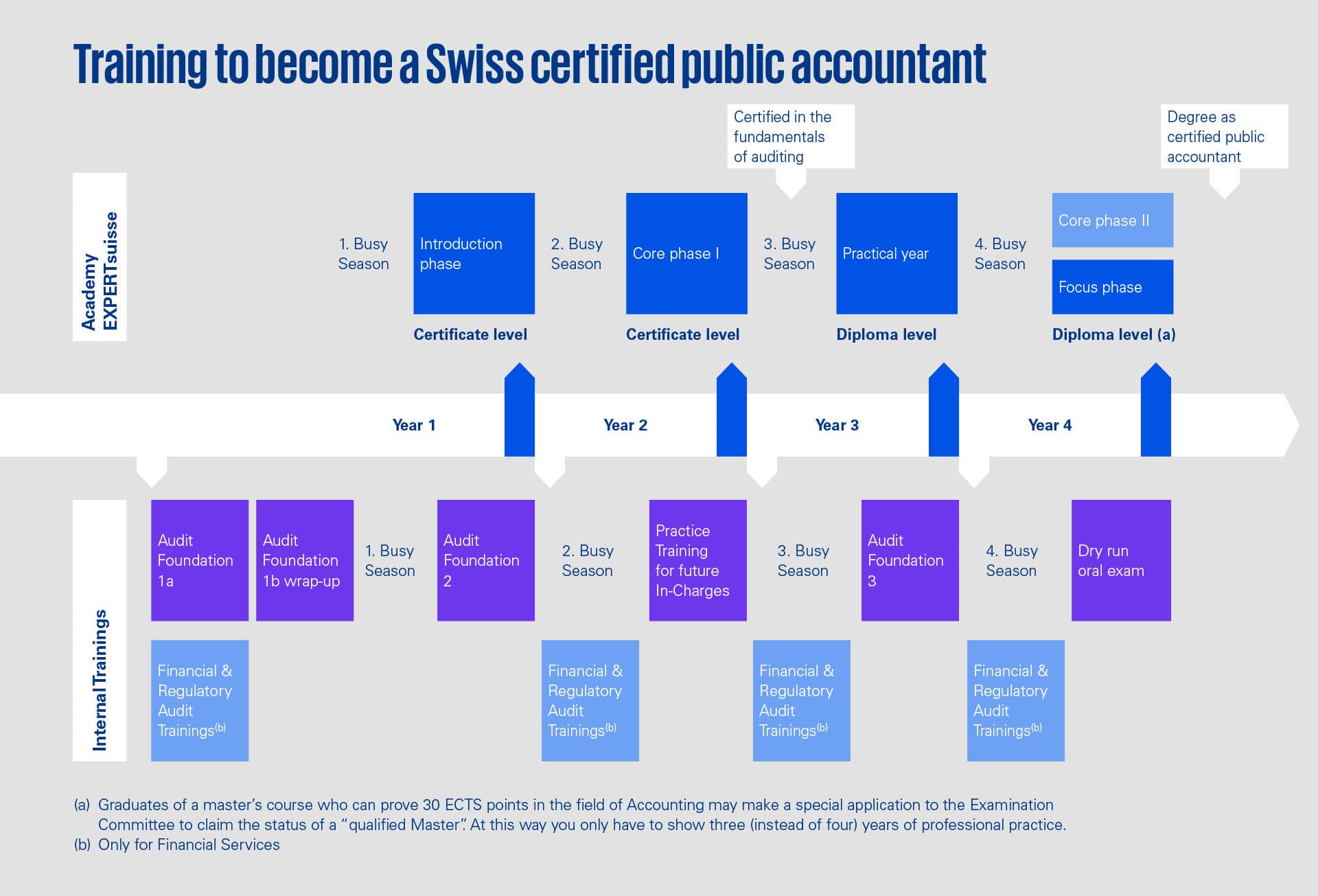
At KPMG, the CPA is less a badge of honor than a working credential that shapes how far you can go in audit and how quickly you can stand out in tax. KPMG has said the license is “table stakes” in audit, and that clients expect the professionals on their audits to be CPAs. For juniors deciding whether to start now or later, the useful question is not whether the credential still matters, but how to fit a 16-hour exam, education requirements, and work experience into a calendar that gets crowded fast.
Who actually needs the CPA at KPMG
If you are in audit, the answer is straightforward: plan as if you will need it. The firm’s own framing makes the CPA part of the baseline for audit credibility, not a nice-to-have, and that changes the career math for first- and second-year staff who want a clean path to senior and beyond. In tax, the case is a little different. The credential is still a serious differentiator, especially if you want broader technical authority, stronger mobility, and a path into leadership roles that rely on trust as much as delivery.
That does not mean every KPMG professional in advisory or specialized tax work must clear the exam immediately. But the road map is useful precisely because it treats licensure as a multi-step process, not a single test: education, the CPA Exam, and required work experience all sit in the same sequence. For anyone who wants long-term earning power, job security, and a better shot at future mobility, the decision is usually less about whether to pursue the license than about when to make room for it.
What the exam now looks like
The modern CPA Exam is a four-section, 16-hour assessment, and that matters for planning. This is not the kind of test you casually squeeze in between two deadlines. Under CPA Evolution, the exam now has three Core sections and one Discipline section, a structure approved in 2020 and launched in January 2024 to reflect how the profession actually works now.
That redesign was not cosmetic. The AICPA says the practice analysis behind CPA Evolution drew on firms and other stakeholders, which is the profession’s way of saying the exam is supposed to track real work, not just textbook accounting. The shift also adds more emphasis on data and technology concepts, which should feel familiar to anyone in a KPMG practice where clients expect technical fluency alongside judgment.
The history gives the credential some weight too. The Uniform CPA Examination dates back to 1917, and the AICPA traces its founding to 1887. That kind of institutional longevity does not guarantee relevance, but it does explain why the license still carries so much signal value inside a firm built around public trust.
Where the global testing path opens up
For KPMG staff outside the United States, the testing map is wider than many people realize. NASBA says international administration of the Uniform CPA Examination is available in Bahrain, Bermuda, Brazil, Egypt, England, Germany, India, Ireland, Israel, Japan, Jordan, Kuwait, Lebanon, Nepal, Saudi Arabia, Scotland, South Korea, the Philippines, and the United Arab Emirates. AICPA guidance also says international candidates take the exam in English.
That matters in a global firm because it removes one of the old frictions in licensure: having to treat the CPA as a U.S.-only logistics problem. If you are on an international assignment, based in a global delivery center, or moving between offices, the path no longer depends on being physically back in the United States at the right time. For a firm with a large cross-border workforce, that is not a minor convenience. It is part of what makes the credential portable across the network.
How to sequence the exam around client work
The best time to start is usually earlier than you think, before client work and internal deadlines harden your schedule. KPMG’s own audit message makes the timing obvious: if the license is table stakes in audit, then waiting until you “have more time” usually means waiting until you have less. The smart move is to lock in the education requirements, map out the four sections, and attack the exam while your calendar still has study windows that can survive a late night or a quarter-end spike.
For audit staff, that often means treating the Core sections as the first priority and planning around busy season instead of pretending busy season will disappear. For tax staff, the same logic applies around filing cycles and the periods when client demands intensify. You do not want your hardest section landing on top of a stretch where your billable hours, review notes, and weekend work are already stacked.
A practical sequence looks like this:
- Use a lighter work period to build momentum on the Core sections first.
- Protect study blocks before your schedule fills with client deadlines.
- Save the most demanding section for a window when your workload is more predictable.
- If you are working abroad or moving internationally, use the testing locations already available instead of delaying for travel reasons.
The point is not to build a perfect calendar. It is to avoid the common trap where exam prep gets pushed behind one more engagement, one more busy season, and one more promotion cycle.
What KPMG is signaling to juniors
KPMG is not treating licensure as a side project. The firm says its Audit and Assurance incentives program includes reimbursement for applicable exam courses, course materials, and exam fees for certain certifications, which is a real financial signal to early-career staff. That support does not erase the time cost, but it does show where the firm wants people to lean in.
For juniors, the implication is clear: the CPA is still one of the cleanest ways to translate technical ability into future mobility. In audit, it supports the credibility that clients already expect. In tax, it strengthens your case as work becomes more advisory and judgment-driven. And inside a firm that still rewards technical competence, the people who plan the exam early usually have more options when promotion timing gets tight.
This article was produced by Prism’s automated news system from verified source data, official records, and press releases, then run through automated quality and moderation checks before publishing. The system is built and supervised by the people who set the standards it runs under. Read our full AI policy.
Did this article answer your question?


.pdf%2F_jcr_content%2Frenditions%2Fcq5dam.thumbnail.319.319.png&w=1920&q=75)