KPMG deploys Microsoft Copilot across 280,000 employees, builds custom AI agents
KPMG has pushed Copilot into Teams, Outlook, Word and Excel for 280,000 professionals, while auditors already use AI to draft narratives and flowcharts.
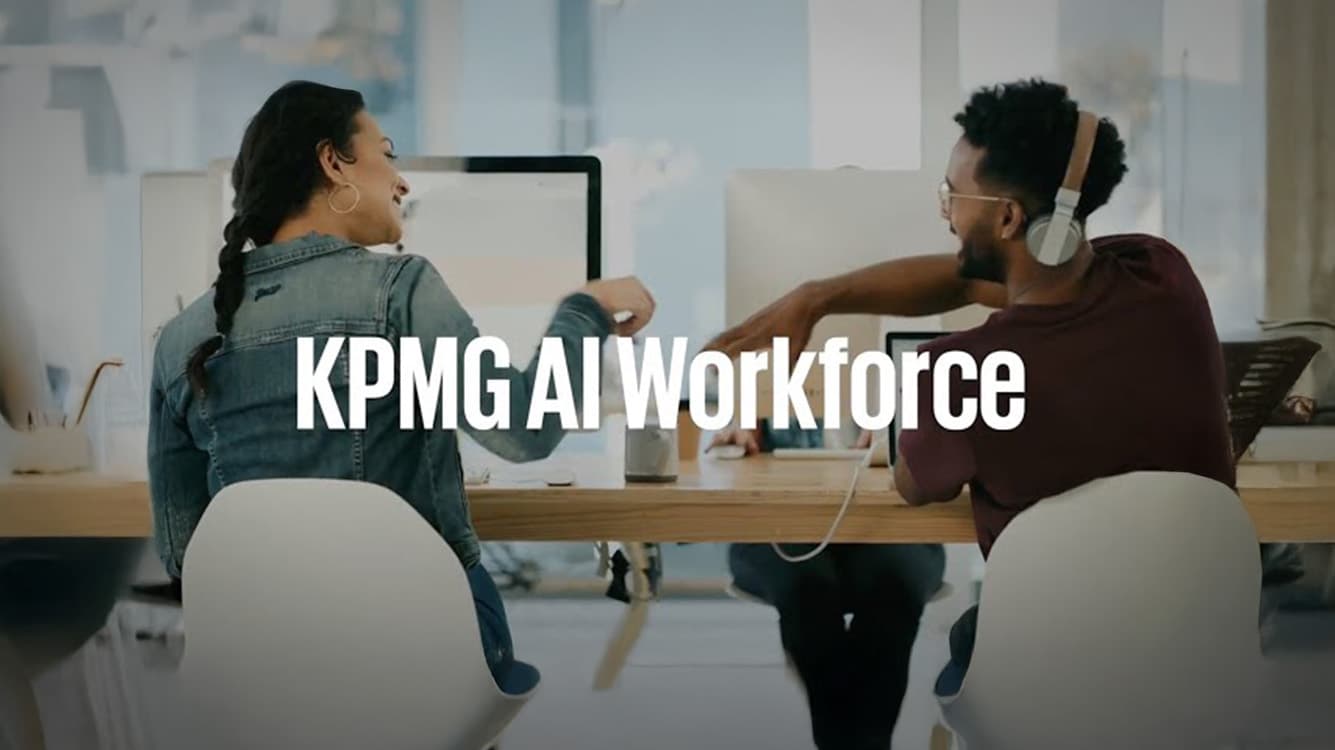
KPMG is no longer treating AI as a side project. The firm has wired Microsoft 365 Copilot into the tools its people already live in, from Teams and Outlook to Word and Excel, and has enabled roughly 280,000 professionals to work with tens of thousands of custom agents built through Microsoft’s AI stack.
That matters because the change is not just about shaving minutes off routine tasks. KPMG’s audit teams are already using Copilot and KPMG Audit Chat to turn client walkthroughs into process narratives and flowcharts, work that once ate up hours of junior staff time and often sat on the critical path during busy season. KPMG says the aim is to let auditors spend more time on higher-risk areas and decision-making, which suggests the firm is trying to move AI into the audit method itself, not just the margins of administration.
The rollout has been years in the making. KPMG and Microsoft announced a generative AI scaling effort in June 2023, then KPMG said in May 2024 that Copilot for Microsoft 365 was being deployed to all KPMG partners and professionals in the United States as part of the firm’s broader KPMG aIQ transformation. By June 2025, the firm had launched KPMG Workbench, a multi-agent platform built with Microsoft and Azure AI Foundry, with 50 AI assistants and chatbots already in place and nearly 1,000 more in development.
For employees, the biggest shift may be that AI use is becoming decentralized. Microsoft says KPMG did not stop at access to AI tools; it pushed for AI proficiency, allowing employees to build their own agents and micro-use cases through Copilot Studio and Azure AI Foundry. That could give tax teams faster research and memo drafting, advisory teams quicker synthesis across client data, and audit teams more automation around documentation and review support. It also raises the bar. Staff who know how to frame a problem, design a useful workflow and document what an agent is doing will be more valuable than people who can simply use AI as a search box.
KPMG has paired the rollout with governance, security and change enablement, a sign the firm knows the risk is not only whether AI works, but whether it can be trusted inside a regulated professional-services model. That pressure is real: KPMG’s AI Quarterly Pulse Survey found 68% of surveyed U.S. business and C-suite leaders said investor pressure to show generative AI return on investment is important or very important. In a partnership where promotion cycles reward efficiency and client impact, that means AI will increasingly shape who is seen as indispensable and who gets left doing the work machines can already do faster.
This article was produced by Prism’s automated news system from verified source data, official records, and press releases, then run through automated quality and moderation checks before publishing. The system is built and supervised by the people who set the standards it runs under. Read our full AI policy.
Did this article answer your question?


.pdf%2F_jcr_content%2Frenditions%2Fcq5dam.thumbnail.319.319.png&w=1920&q=75)