KPMG Economist Diane Swonk Calls February Jobs Report a Disappointing Miss
KPMG's Diane Swonk says a California and Hawaii health care strike that wiped 27,000 jobs exposed how fragile the U.S. labor market has become.
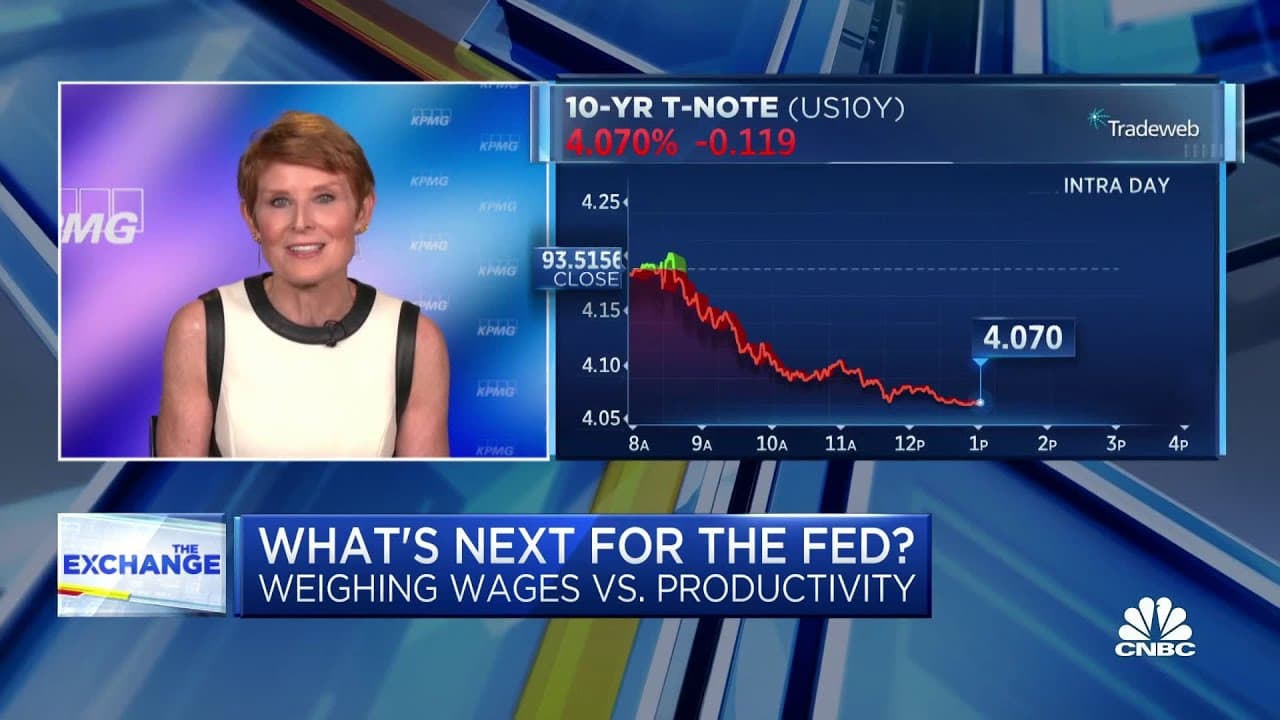
The February jobs report landed hard. Employers cut 92,000 jobs, the unemployment rate ticked up from 4.3% to 4.4%, and the Bureau of Labor Statistics revised the previous two months downward. For KPMG Chief Economist Diane Swonk, the numbers confirmed a structural vulnerability she had been watching build for months.
"The labor market has become a one-legged stool over the last year; that makes it more susceptible to shocks," Swonk said in an interview with PBS NewsHour anchor Amna Nawaz. "It is a sad commentary when a strike in two states can knock that last leg out."
That strike, spanning California and Hawaii, shaved 27,000 health care worker jobs from the total. Health care and social assistance had been the dominant engine of job growth, but the sector tumbled 18,600 in February, the first time it failed to add jobs since January 2022. KPMG noted the strike "more than accounted for that loss," though the relationship between the 27,000 gross strike figure and the 18,600 net sector decline warrants independent verification against Bureau of Labor Statistics methodology for counting striking and temporarily laid-off workers.
The damage was broad. Private sector payrolls fell 86,000 and public sector payrolls shed 6,000, together accounting for the 92,000 headline loss. Accommodation and food services dropped 35,000 jobs, marking the second consecutive month of declines for leisure and hospitality as a whole. KPMG flagged that sector as uniquely exposed, noting it is among the most dependent on immigrant labor, that quit rates have jumped since last summer, and that it is currently the only sector showing a rise in quits. The firm said the losses "could reflect a loss in immigration," though it framed that as a possibility rather than a confirmed cause.
Professional and business services continued to contract. A slight uptick in temporary hiring was more than offset by declines in full-time positions, a composition shift that points to employer caution rather than outright demand collapse. Financial services was the lone bright spot, adding 10,000 jobs, a gain that was more than swallowed by losses elsewhere.

Federal payrolls also retreated, with losses concentrated outside the postal system. KPMG attributed the decline to poor morale and retirements, and noted that a lapse in Department of Homeland Security funding was considerably smaller in scope than the six-week full government shutdown last fall. Because federal workers are paid in arrears after funding lapses, they continue to be counted in payroll figures even during interruptions, which may be masking some underlying attrition.
The one piece of positive data in the report was the U6 unemployment measure, the broad gauge that includes part-time workers who want full-time work, which dropped from 8.1% to 7.9%.
The report hit markets on a day already under pressure. Stocks fell Friday, capping a week of declines that also featured an 11% weekly spike in average gasoline prices, a rise PBS NewsHour connected to President Donald Trump's military engagement with Iran. Swonk warned the combination creates a difficult position for the Federal Reserve: "The rise in the unemployment rate puts the Federal Reserve in a tough situation, given the recent pick-up in inflation and increases we are likely to see due to the strikes on Iran."
The Fed now faces softening employment alongside renewed price pressure, a combination that limits its room to maneuver. With health care no longer propping up headline totals and accommodation and food services losing workers at an accelerating pace, the labor market enters spring without the sector concentration that had been carrying it through the past year.
Know something we missed? Have a correction or additional information?
Submit a Tip