KPMG expands well-being support as audit hours fall 11%
KPMG says audit hours fell 11% to 45 a week as it adds mental health, care and flexible-work support to curb burnout.
KPMG is trying to make audit work more sustainable by showing that lower hours and stronger support can coexist with client deadlines. The firm said average audit hours fell 11% in 2023, from 51 a week to 45, while more professionals got entire weekends off during the busiest stretch. It is pairing that shift with mental health, caregiving and hybrid-work benefits meant to keep people in the pipeline instead of pushing them out.
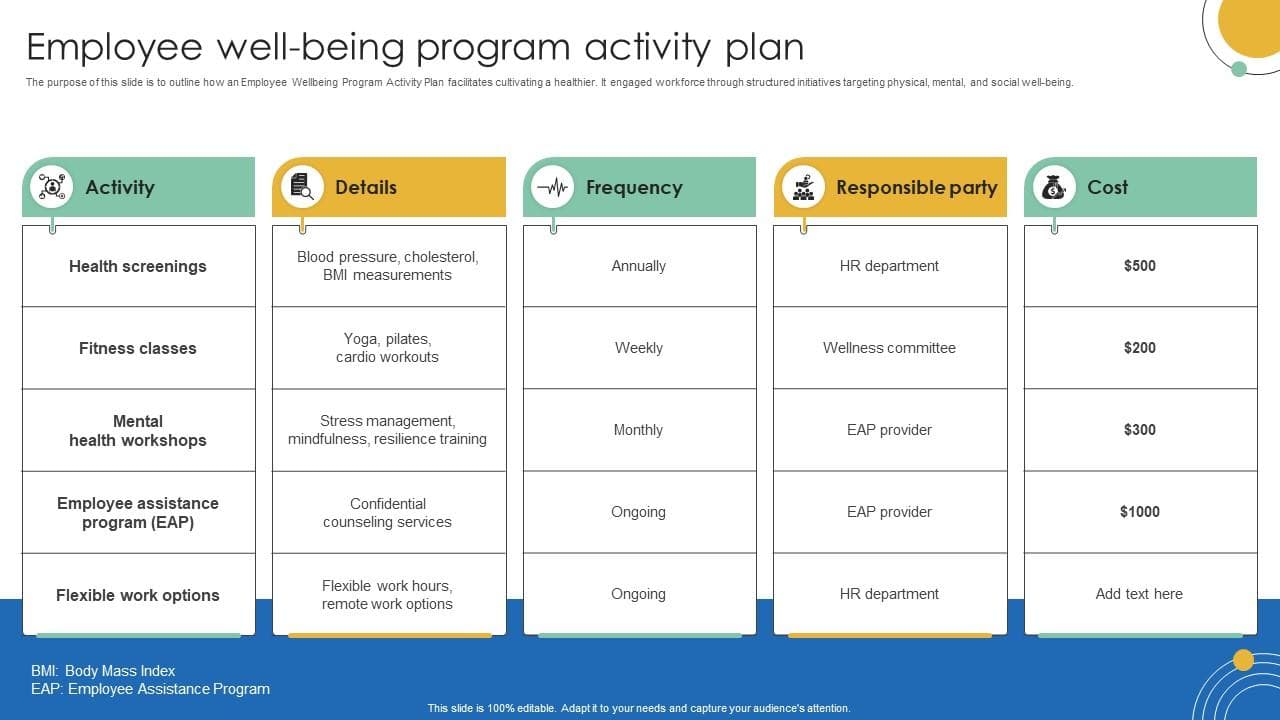
The support package is built around the kind of pressure KPMG professionals know well: unpredictable client demands, family obligations and the grind of busy season. Through Resources for Living, the firm expanded counseling access to 10 free sessions per issue each year and made help available in person, virtually and through chat, including Talkspace virtual therapy. KPMG also added a 24-hour mental health hotline, launched a mental health training course for CPE credit and increased back-up care for child and elder care. The firm said it doubled backup-care days per dependent, a detail that matters when a deadline collides with school pickup or elder-care coverage.

KPMG has framed the effort as a response to structural burnout risk, not a one-off wellness push. In a later 2024 article, the firm said auditors face “tremendous risk of burnout” because busy seasons are predetermined, and said its goal is to create a more streamlined work experience throughout the year. The numbers suggest the calendar is at least shifting at the margins: the share of professionals who worked no weekends during the relevant eight-week period rose from 18% to 29% in 2023, while the share working 50-plus hours over those weekends fell from 31% to 17%.
That kind of workload smoothing lands especially hard for employees trying to build a career without letting home life unravel. KPMG’s 2025 Working Parents Survey found that 53% of working parents struggle with ongoing childcare arrangements, 49% say their companies do not offer onsite or back-up care and 46% want employer-led programs that reduce burnout and improve well-being. For consultants, auditors and advisory staff weighing whether the partner track is worth the tradeoffs, those are not abstract findings. They describe the exact pressure points that can determine whether someone stays through the next promotion cycle or starts looking elsewhere.
KPMG has also tied resilience to connection, saying in separate workplace-friendship research that human connection is critical to well-being and job satisfaction. Taken together, the benefits, the schedule changes and the culture messaging point in the same direction: the firm wants high-pressure roles to feel survivable for longer, not just more productive for a quarter.
This article was produced by Prism’s automated news system from verified source data, official records, and press releases, then run through automated quality and moderation checks before publishing. The system is built and supervised by the people who set the standards it runs under. Read our full AI policy.
Did this article answer your question?


.pdf%2F_jcr_content%2Frenditions%2Fcq5dam.thumbnail.319.319.png&w=1920&q=75)