KPMG flags IRS mortality table update for pension valuations in 2027
A new IRS mortality table can move pension liabilities and minimum contributions for 2027 valuations, forcing benefits, tax and audit teams to reset assumptions.
A small IRS notice can have a big payroll-adjacent consequence: higher or lower pension liabilities, different minimum required contributions, and new valuation work for benefits and audit teams. KPMG flagged that point on April 27 after the Internal Revenue Service released Notice 2026-27, which updated the static mortality tables used for defined benefit pension plans for valuation dates during the 2027 calendar year.
The update applies under section 430(h)(3)(A) of the Internal Revenue Code and section 303(h)(3)(A) of ERISA. It also includes a modified unisex mortality table for minimum present value calculations under ERISA sections 417(e)(3) and 205(g)(3). The IRS said the tables are set out in the appendix to the notice and were developed using the methodology in Treasury regulation § 1.430(h)(3)-1(c), the base mortality rates in § 1.430(h)(3)-1(d), and mortality improvement rates.
For KPMG professionals working in employee benefits, actuarial, tax and pension compliance roles, the practical effect is straightforward: even modest changes in mortality assumptions can shift funding targets, plan liabilities and contribution forecasts. Section 430 funding target rules generally determine minimum required contributions for defined benefit plans, so a new mortality basis can change how much cash employers must set aside and how those obligations are reflected in client disclosures and financial reporting models.

That also puts pressure on audit teams. If pension obligations are material to the balance sheet, the 2027 tables can affect review procedures for significant estimates and the coordination between auditors, actuaries and plan sponsors. The underlying regulation allows standard mortality tables, including generational tables and static tables for small plans, and in some cases substitute mortality tables can be used if approved. That makes the annual update more than a technical filing exercise, because the same change has to flow through valuation work, forecast assumptions and audit evidence.
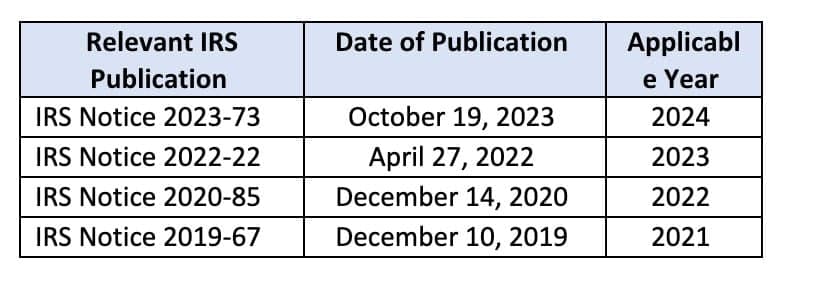
The 2026 update follows the 2023 final regulations, which updated the base mortality tables and mortality improvement rates for valuation dates on or after January 1, 2024. It also fits the IRS’s recurring annual cycle: the comparable guidance for 2026 valuations was Notice 2025-40, and the IRS highlighted Notice 2026-27 again in its April 29, 2026 e-News for Tax Professionals. For firms like KPMG, the message is clear: retirement-plan minutiae can still hit the bottom line.
Know something we missed? Have a correction or additional information?
Submit a Tip