KPMG flags temporary Trump tariff changes on steel, aluminum, copper
Trump’s tariff reset cuts some equipment duties to 15% through 2027, forcing KPMG clients to redo quotes, inventories and margin plans now.
The biggest risk in Trump’s latest Section 232 move is not the headline rate change. It is the repricing shock that can hit trade, procurement and advisory teams as landed cost models, customer quotes and margin forecasts get rebuilt around a tariff regime that now runs through December 31, 2027.
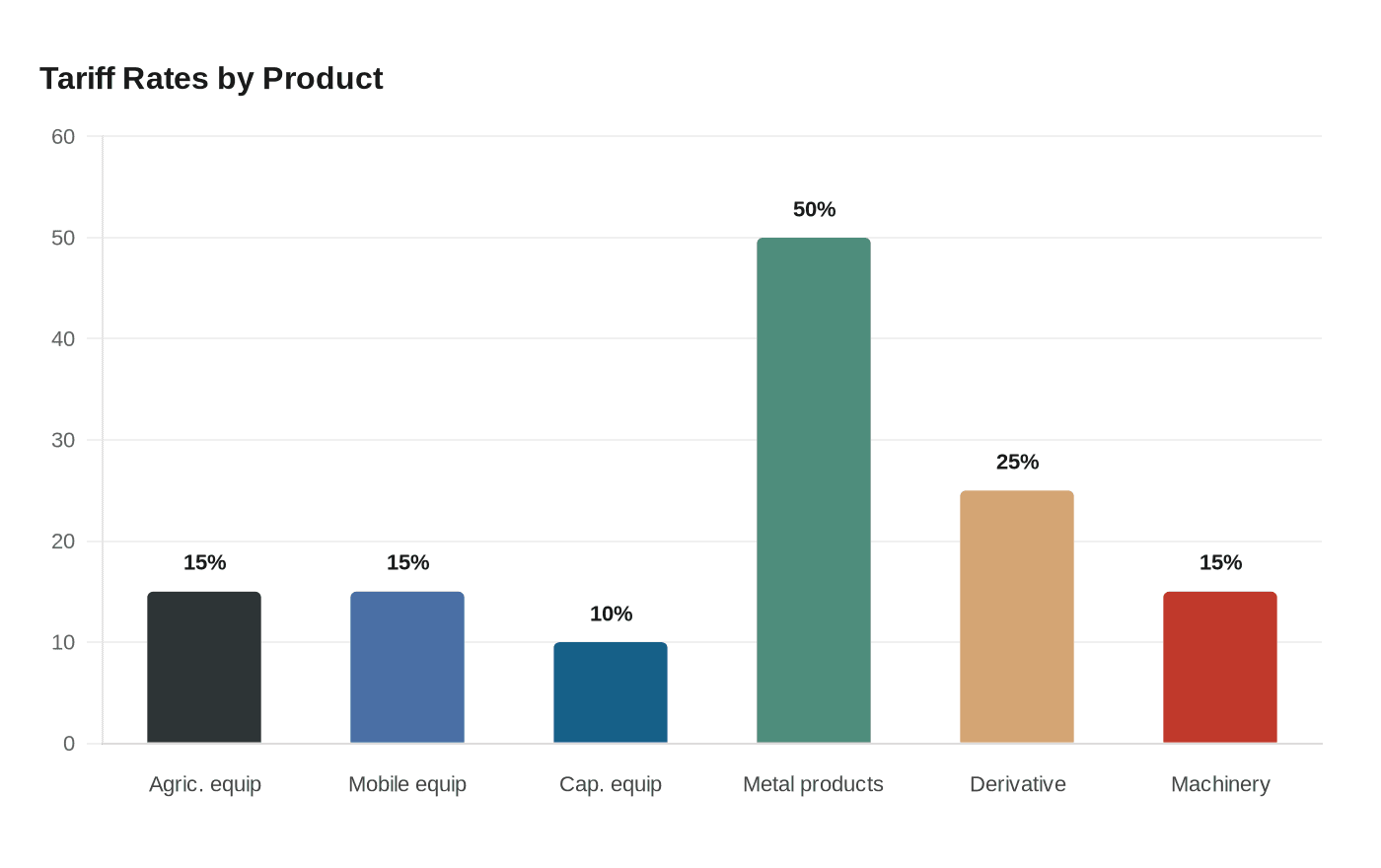
The White House said on June 1 that Donald J. Trump amended the steel, aluminum and copper tariff structure to protect national security and strengthen domestic manufacturing. KPMG’s June 2 TaxNewsFlash framed the action as a temporary tariff adjustment, with the White House saying it keeps the new rates in place through the end of 2027. For agricultural equipment such as combines and harvesters, the tariff drops from 25% to 15%. The 15% category also expands to certain mobile industrial equipment, including bulldozers and forklifts, when those goods come from eligible trade-deal countries.
The proclamation also creates a narrower relief path for capital equipment with substantial U.S. content. Foreign companies can qualify for a 10% duty rate if their equipment contains at least 85% U.S.-melted and poured or smelted and cast steel or aluminum by weight. That detail matters because it shifts the work from broad policy monitoring to item-by-item classification, origin review and documentation. Industry advisers said the changes take effect June 8, 2026, which gives importers only a short window to recheck sourcing assumptions, vendor contracts and pass-through pricing clauses.
The June 1 action landed on top of an already fast-moving Section 232 framework. On April 2, Trump imposed a 50% duty on products made of the metals, a 25% duty on derivative products, and a temporarily reduced 15% duty on certain fixed industrial machinery and power equipment. Those April changes applied to goods entered on or after 12:01 a.m. ET on April 6, 2026. KPMG later reported that U.S. Customs and Border Protection issued technical corrections on April 27, including a new Chapter 99 subheading for non-metal goods.
For KPMG audit, tax and advisory teams, the pressure now is on valuation, financial reporting and customs compliance as much as on tariff engineering. Companies that imported metal-intensive goods or derivative products have to test whether procurement plans still work under the revised regime, whether inventory timing needs to change, and whether working capital needs will rise or fall. The White House’s proclamation also cites earlier Section 232 actions from March 8, 2018 for aluminum and steel and July 30, 2025 for copper, underscoring that the current regime is layered, not one-off. In practice, that means firms that can translate tariff changes into contract, supply chain and finance decisions quickly will be better positioned to protect margins and avoid unnecessary compliance risk.
This article was produced by Prism’s automated news system from verified source data, official records, and press releases, then run through automated quality and moderation checks before publishing. The system is built and supervised by the people who set the standards it runs under. Read our full AI policy.
Know something we missed? Have a correction or additional information?
Submit a Tip