KPMG flags tighter regulatory focus amid growing cross-border complexity
KPMG is zeroing in on fewer regulatory priorities, but across more jurisdictions, pushing audit, tax, risk and advisory teams toward deeper specialization and tighter cross-border coordination.
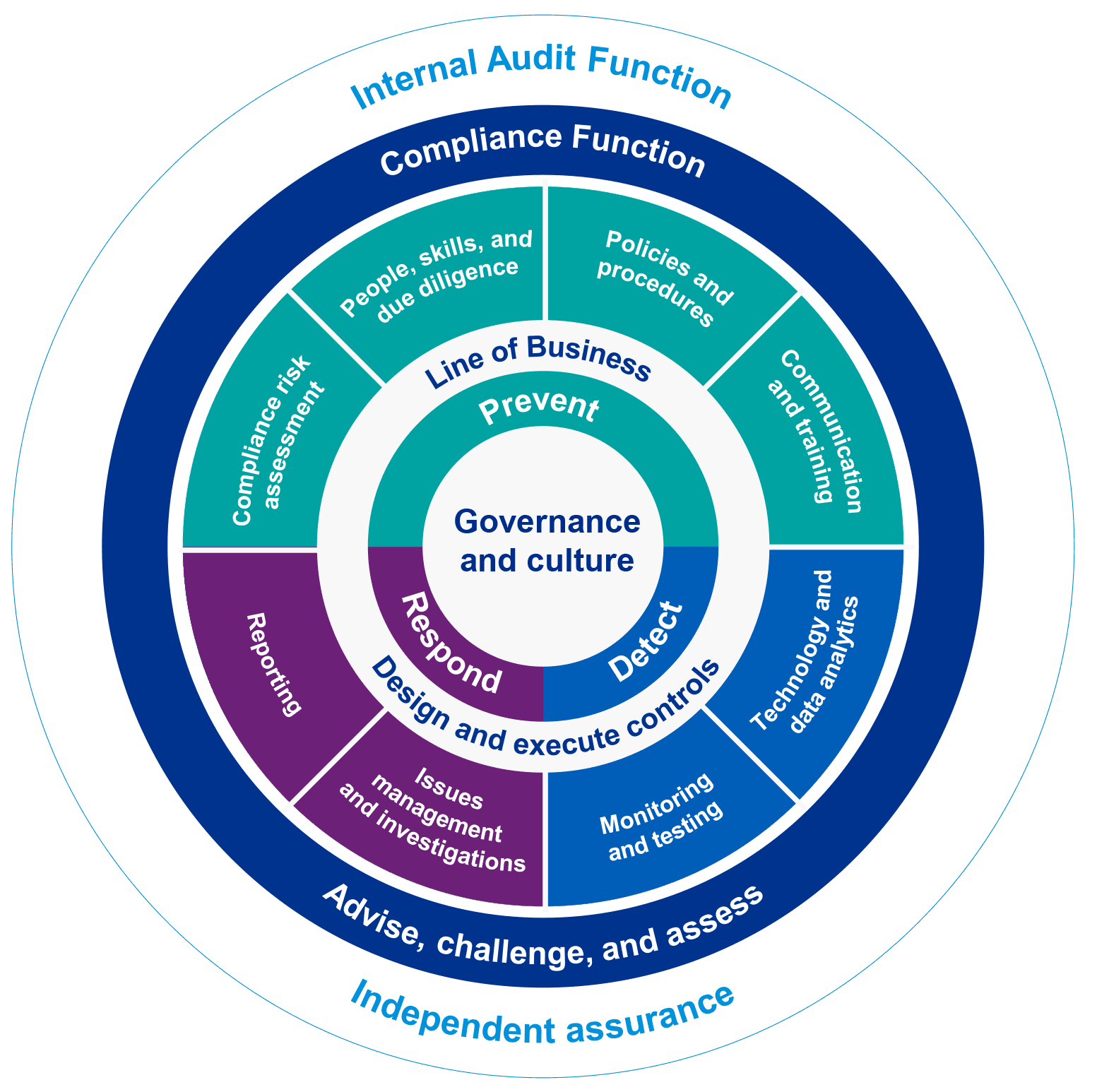
KPMG’s June 2026 midyear materials point to a compliance year that looks narrower on paper and harder in practice. Regulators are concentrating on fewer priority areas, but those priorities are being enforced more intensely, while rules still diverge across countries, states, and sectors. For client-facing teams, that means less room for broad generalist advice and more demand for people who can translate fragmented rules into one workable operating model.
What the midyear signal means for client work
Supervisory focus is sharpening even as jurisdictional fragmentation grows. That combination changes the workflow inside audit, tax, risk, and advisory teams because the hardest assignments are no longer just about knowing the rulebook, they are about reconciling overlapping rulebooks. Multinational clients still have to keep one business moving while meeting different expectations in different places, which turns cross-border coordination into a core service line, not a back-office task.
Audit teams will feel it in control testing and documentation where one jurisdiction’s comfort level may not be enough for another. Tax and advisory teams will feel it in entity structure, reporting, and operational planning, where a rule that is manageable in one market can create friction in another. For staff on the client front line, the value is increasingly in spotting where a local requirement is about to become a global problem.
The eight themes KPMG has been organizing around
Eight themes frame KPMG’s regulatory lens in its 2025 report, Ten Key Regulatory Challenges of 2026: executing mandates, adopting disruptive tech and AI, maintaining cyber and data security, mitigating financial crimes, averting fraud and scams, protecting fairness, ensuring resiliency, and driving capital formation and growth.
For audit and assurance teams, the most immediate pressure points are cyber, data, and controls. AI adoption brings governance questions that are no longer hypothetical, especially when clients want to move fast but still need a defensible process for oversight, model use, and documentation. Financial crime and fraud themes bring more monitoring, investigation support, and internal-control work, while fairness and resiliency spill into employment decisions, product design, and operational continuity. The capital formation and growth lens ties all of it back to business strategy, which is why regulatory advice increasingly lands in boardroom conversations instead of only in legal review.
KPMG’s April 2026 Regulatory Barometer grouped the landscape into financial resilience, operational resilience, technology and innovation, sustainability, fairness and protection, financial crime, governance and controls, and market oversight and integrity. Whether KPMG uses eight themes or eight barometer categories, the work is becoming more integrated across risk, technology, and business operations.
Why the June recap matters for day-to-day delivery
The June 2026 Regulatory Recap: June & Q2 2026 gives a more tactical picture of what teams are actually tracking. One item was inter-agency final joint data standards involving the Federal Reserve Board, Federal Deposit Insurance Corporation, Office of the Comptroller of the Currency, National Credit Union Administration, Consumer Financial Protection Bureau, Securities and Exchange Commission, and Commodity Futures Trading Commission. That kind of rulemaking pushes firms to align data, controls, and reporting across a wider set of regulators, which is exactly the kind of problem that creates extra work for compliance, assurance, and technology teams.
The recap included a final rule removing additional references to reputation risk by the FDIC, Federal Reserve Board, and OCC. Language changes like that reshape how institutions describe risk appetite, governance, and supervisory response. Even when the underlying operational work does not vanish, the way clients document it, explain it, and defend it can change quickly, which is why senior staff who can translate rule language into policy language become more valuable.
Another item in the recap was a proposed GENIUS Act CIP requirement rule involving FinCEN, FDIC, FRB, NCUA, and OCC. That is the sort of cross-agency development that pulls in know-your-customer processes, identity verification, onboarding controls, and financial-crime teams at once. It also illustrates why regulatory work is no longer neatly siloed by service line: a tax issue can become an operations issue, a data issue can become a financial-crime issue, and a policy change can end up in technology implementation.
How this reshapes staffing, specialization, and promotion paths
Inside KPMG, these trends favor professionals who can work across legal, tax, risk, cybersecurity, and technology without losing the details. Teams that can explain a regulatory change in business terms will be more useful than teams that only identify the rule, because clients are looking for a path they can execute without slowing the business down. That raises the value of people who can own a cross-border workstream, coordinate with specialists in other countries, and keep the narrative consistent from first draft to final client discussion.
It also affects career development in ways that matter on the partner track. Someone who understands only one slice of the problem can still be useful, but the people who can connect AI governance to controls testing, or cyber risk to data standards, are the ones more likely to get pulled into the highest-value accounts.
This article was produced by Prism’s automated news system from verified source data, official records, and press releases, then run through automated quality and moderation checks before publishing. The system is built and supervised by the people who set the standards it runs under. Read our full AI policy.
Did this article answer your question?