KPMG frames culture as part of the employee experience
KPMG is turning culture into a retention strategy, tying friendship, flexibility and parental support to performance while client-team reality remains the real test.
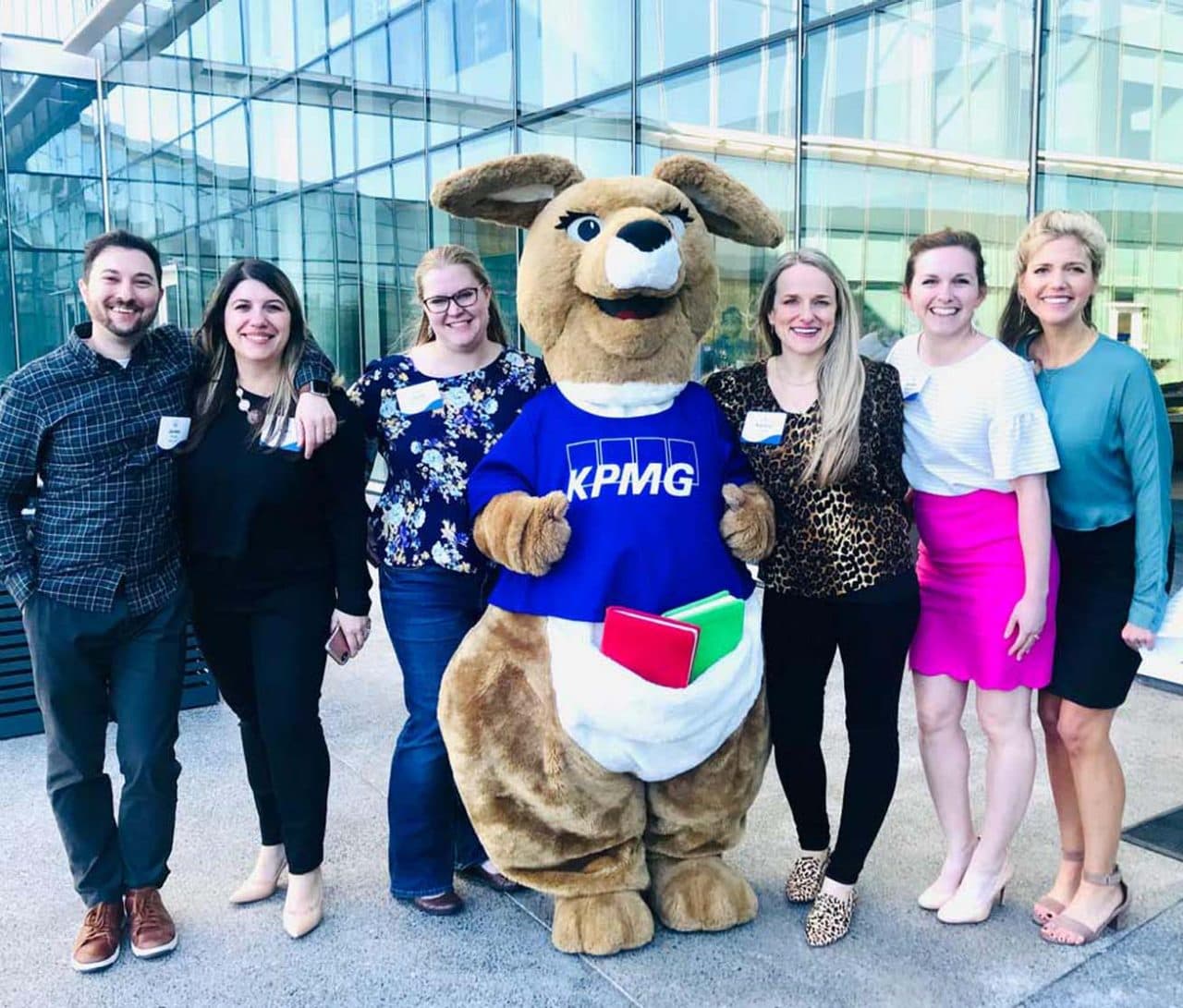
KPMG is treating culture as an operating discipline, not a perk. Its U.S. careers page says the firm recognizes people as its most valuable asset, and it defines culture as the combination of mindset, actions, and the processes, programs and systems that shape how work gets done. For consultants, auditors and advisory professionals, that is a telling choice: KPMG is signaling that employee experience is meant to be built into the business, not left to chance on individual teams.
Culture as an operating system
That framing matters because KPMG is not describing culture as a poster on a wall. By tying it to the way work is organized, the firm is telling candidates and employees that collaboration, values and day-to-day behavior are part of the job itself. A separate careers page goes even further, calling KPMG a "people business at heart," and the broader message is consistent with a company that says it has been in business for more than 125 years.
Scale helps explain why the firm talks this way. KPMG’s U.S. careers materials say the firm operates in more than 80 offices with approximately 36,000 employees and partners across the country. At that size, culture cannot rely on a few charismatic leaders or a single office dynamic. It has to work across busy season, client travel, promotion cycles and partner-track pressure, which is exactly why KPMG frames culture as a system rather than a slogan.
What the message tells candidates and managers
For people interviewing at KPMG, the public message is a clue about what the firm wants to hear back. Collaboration, values and a sense of community are likely to come up as interview themes, especially for candidates trying to understand whether the firm offers a transactional job or a place where relationships matter. That is not a small distinction in professional services, where the day-to-day experience often depends on the quality of your team more than the language in a recruiting brochure.
For employees already inside the firm, the same messaging sets expectations. KPMG’s external employer brand is built around belonging, growth and flexibility, so managers and recruiters are likely to use those ideas in staffing conversations, performance discussions and promotion decisions. The practical test is whether the culture pitch matches what happens on client teams, where long hours, demanding timelines and travel can strain any promise of flexibility. If the gap is wide, that becomes a question to raise with a mentor, people leader or recruiter. If the two line up, KPMG is showing employees which parts of its identity it wants reinforced.

Why KPMG is leaning on friendships
KPMG’s workplace-friendship research makes the same point from a different angle: social connection is not being treated as a side benefit. In a Nov. 19, 2024 study, the firm said fostering workplace friendship is critical to employees’ mental well-being and job satisfaction. Its 2024 friendship report found that 81% of workers considered workplace friendships highly valuable, which is a striking number for a firm selling itself on culture as part of the employee experience.
The 2025 version of that research surveyed 1,019 full-time professional employees and found that 57% would take a role paying 10% below market if it came with close workplace friendships rather than a higher-paying job without them. That is a strong signal about where talent competition is moving. KPMG is not just saying people want good colleagues. It is saying relationships can outweigh pay in the recruiting equation, which tells you how much the firm believes belonging matters in retention and attraction.
The 2026 friendship research pushed the story further. It said employees with close personal friends at work are the most engaged employees, but also that nearly half of those employees, 42%, were actively job searching in the next 12 months. That combination matters. High engagement is valuable, but it does not guarantee loyalty, and KPMG appears to understand that a connected employee can still be a marketable one.
Working parents and the flexibility promise
KPMG is making a similar argument about caregivers. Its Feb. 4, 2025 Working Parents Survey found that 76% of working parents said becoming a parent boosted their motivation at work. The survey also identified improved paid leave options as the most valuable resource an employer could provide for working parents, which puts policy ahead of slogans when it comes to what employees actually need.

The same survey showed the tradeoffs in working style. Fully in-office working parents were more satisfied with career progression than hybrid or fully remote parents, while remote parents were more satisfied with time with family and less stressed about juggling responsibilities. That is the kind of detail employees recognize immediately because it mirrors the real tension inside professional services: visibility can help careers, but flexibility can make family life possible. KPMG’s message is that both matter, even if workers often have to choose between them in practice.
That concern is not isolated to one survey. In a May 28, 2024 childcare article, KPMG said access to childcare is becoming a headwind to economic growth and noted that, as of 2018, 51% of Americans lived in what it called a childcare desert. Put bluntly, the firm is linking employee experience to a broader labor-market constraint. For a business that depends on billable hours, staffing continuity and leadership pipeline development, childcare is not a personal issue at the margins. It is part of the infrastructure that determines whether people can stay and advance.
What this means inside KPMG
Taken together, these materials show KPMG trying to position employee experience as a productivity issue, a retention issue and a brand issue at the same time. That is smart from a talent standpoint, but it also raises the bar internally. If the firm tells people that culture is embedded in how work gets done, then employees will judge that claim against the reality of staffing, promotion access and the pressure of client service.
That is why the public page is useful. It tells candidates what KPMG wants to be known for, and it gives current employees a clean way to compare the firm’s story with their own experience on the ground. At a company of this size and age, the gap between messaging and reality is where credibility is won or lost. KPMG is making culture part of the employee experience on purpose, and the real test is whether that promise survives the work.
This article was produced by Prism’s automated news system from verified source data, official records, and press releases, then run through automated quality and moderation checks before publishing. The system is built and supervised by the people who set the standards it runs under. Read our full AI policy.
Did this article answer your question?


.pdf%2F_jcr_content%2Frenditions%2Fcq5dam.thumbnail.319.319.png&w=1920&q=75)