KPMG frames five values as the foundation of its culture
KPMG frames culture as a daily management standard, with five values meant to shape how people decide, escalate, collaborate, and perform.
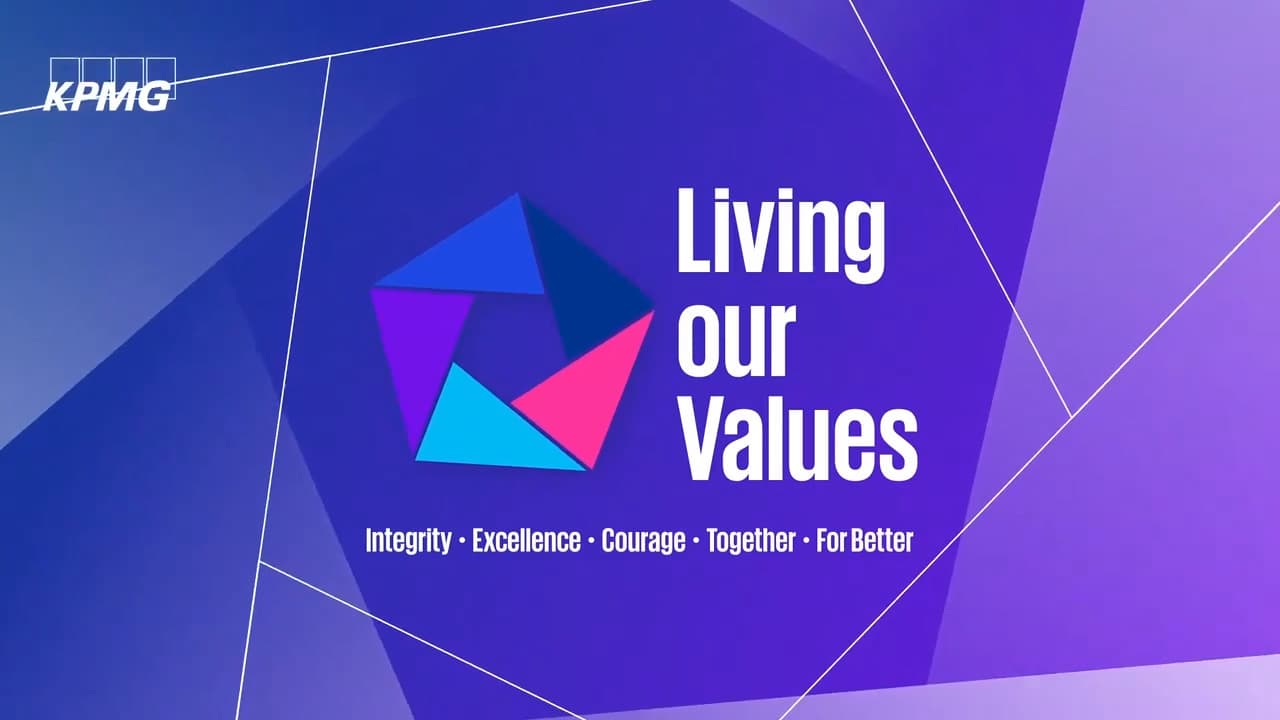
KPMG’s five values are Integrity, Excellence, Courage, Together and For Better. They are the foundation of how people show up for one another and for clients, and they are meant to guide decisions and actions in everyday work.
Integrity
Integrity turns ethics into a management expectation. It is doing what is right and includes honesty, fairness, consistency, responsibility and holding to high moral standards even under pressure. In a firm where people are routinely asked to balance client demands, timing pressure and professional judgment, the standard is to escalate issues when something feels off.
Excellence
Excellence makes quality visible in the work, not merely claimed in performance reviews. It is tied to learning, improvement, technical rigor and openness to feedback, which means staff are expected to keep sharpening their skills rather than relying on experience alone. That looks like careful review discipline, a willingness to revisit a memo or model, and a habit of treating new challenges as part of the job, especially when the work is moving fast or the client wants shortcuts.
Courage
Courage gives employees permission to challenge assumptions instead of quietly absorbing risk. It is linked to thinking boldly, asking questions when there are doubts and speaking up when something appears wrong. In a KPMG context, that can mean a junior person flagging a control issue, a manager pushing back on an unrealistic client ask, or a team member admitting the limits of their own knowledge before a small issue becomes a bigger one.
Together
Together is the firm’s answer to the fact that professional services work rarely happens inside one silo. It is about respecting each other, drawing strength from differences and doing the best work in teams, across teams and with people outside the organization. That sets an expectation that collaboration is part of how the firm staffs matters, solves problems and moves work across audit, tax and advisory when a client issue cuts across disciplines.
For Better
For Better is the most outward-facing of the five values, and it connects the daily grind to the wider impact of the work. It is about doing what matters and keeping sight of how daily decisions affect the economy and society, while the purpose language ties the firm’s work to building trust and helping people solve hard problems.
This article was produced by Prism’s automated news system from verified source data, official records, and press releases, then run through automated quality and moderation checks before publishing. The system is built and supervised by the people who set the standards it runs under. Read our full AI policy.
Did this article answer your question?


.pdf%2F_jcr_content%2Frenditions%2Fcq5dam.thumbnail.319.319.png&w=1920&q=75)