KPMG Germany business festival spotlights future-focused client themes
KPMG Germany’s festival reads like a roadmap: the firm is using a five-year platform to signal which client themes, skills, and voices it wants in the market.
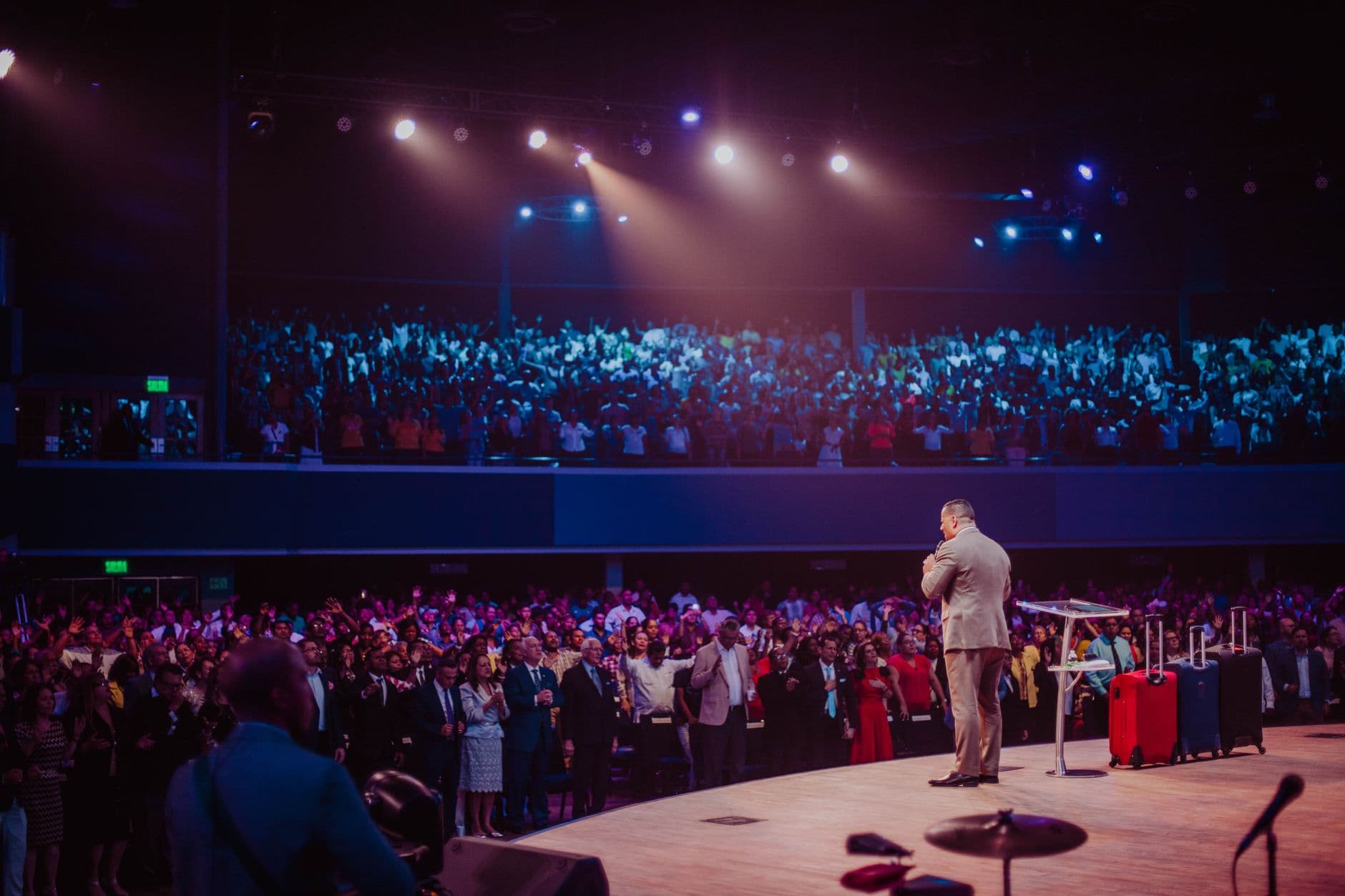
KPMG Germany’s Business Festival 2026 is less a calendar item than a clue to where the firm wants attention focused. The event page promises “inspiring insights and ideas on the most important issues of our time,” and the German title, KPMG Zukunftsgipfel, frames it as a forward-looking platform rather than a one-off marketing push.
Why the festival format matters
A business festival tells you something different from a technical webcast or a single service-line briefing. It usually gives KPMG room to combine leadership, innovation, economic outlook, and future-of-work topics in one public-facing setting, which is useful if you are trying to read the firm’s commercial direction. When a professional-services firm packages expertise this way, it is usually showing clients and candidates the kinds of problems it wants to own, not just the capabilities it already sells.
The fact that the page text says, “For five years, the KPMG Fesi...” indicates the festival has existed for at least five years. That gives it a bit more weight than a launch campaign or a recycled event brand: it looks like a recurring stage where KPMG Germany can keep refining the themes it wants associated with the firm. For employees, that matters because repeated event themes often foreshadow where internal investments, pitch materials, and cross-functional collaboration are heading next.
What the public positioning is really saying
The headline itself is doing a lot of work. “Inspiring insights and ideas on the most important issues of our time” is broad, but that breadth is the point: it leaves room for the firm to frame the conversation around the issues most likely to attract executive attention. In practice, that usually means themes like transformation, AI, leadership, resilience, and growth, all of which cut across audit, tax, deal work, and advisory.
For consultants and advisory professionals, that makes the festival useful as a signal of how KPMG wants to package its services in front of the market. If a topic is elevated at a public event, it is often because the firm sees demand building around it and wants its people to be ready with a point of view. That is especially relevant in a firm where commercial credibility depends on more than technical accuracy: it also depends on whether you can translate expertise into a conversation clients want to have.
The German title, KPMG Zukunftsgipfel, reinforces that message. The future-oriented branding suggests KPMG wants the event to feel like a place where the firm is shaping the next agenda, not just reflecting on the last cycle. For people building internal visibility, that matters because the subjects elevated there can become the subjects that travel furthest in client meetings, conference panels, and promotion discussions.
What it means for your day-to-day work
For staff trying to map where the firm is leaning, the festival is a practical guide to growth areas. If KPMG is putting resources behind a public forum with future-focused language, that often points to where leadership thinks client demand will come from over the next planning cycle. It also hints at which subject-matter experts may have the best shot at building a visible profile, especially partners, directors, and managers who can speak fluently across business issues rather than only within a narrow technical lane.
That visibility piece matters in a partnership model. People who show up in these forums often gain more than a speaking slot: they get repeat exposure to client decision-makers, internal leaders, and peers from other lines of business. For consultants, the lesson is just as clear, because market-facing insight is part of the toolkit, and the ability to convert deep technical knowledge into a broader narrative can help on everything from proposal work to promotion-ready client stories.
The festival format also tells you something about culture. KPMG is presenting itself as an ideas-led organization, not just a traditional accounting firm that reacts to deadlines and compliance cycles. That distinction matters for younger professionals comparing employers on learning, exposure, and the chance to work near innovation rather than only in the churn of busy season. It also matters for current staff who want to know whether the firm is investing in an outward-facing brand that can support recruiting and retention.
How it fits KPMG’s wider event strategy
The Germany festival fits a broader pattern across KPMG’s international event footprint. KPMG’s events pages in Germany, Switzerland, Canada, the United States, and Papua New Guinea all point to a recurring stream of programming, which suggests the firm uses events as a standing channel for market engagement rather than as an occasional add-on. In the U.S., KPMG describes its events and webcasts as delivering “fresh thinking and actionable insights” that address critical issues organizations face, while its events and programs overview says KPMG’s “multi-disciplinary approach and deep, practical industry knowledge help clients meet challenges and respond to opportunities.”
That language matters because it shows how the firm is packaging itself across markets: not as a siloed technical shop, but as a multidisciplinary platform that can bring several capabilities to one client problem. The business festival in Germany appears to sit inside that same playbook, with public convenings used to translate internal expertise into visible market positions.
A related example is the HBLF CEO Forum in Hungary, which is scheduled for Thursday, November 5, 2026, and is hosted by KPMG in Hungary. It is described as a valued platform for business leaders to exchange ideas and discuss opportunities and challenges, which is a familiar KPMG move: convene executives, frame the debate around current business pressure points, and use the event to surface the firm’s point of view in a room where relationships matter.
The read-through for KPMG people
The clearest takeaway from KPMG Business Festival 2026 is that the firm is using public events to telegraph commercial priorities. The festival’s longevity, its future-facing German title, and its broad promise of ideas on the “most important issues of our time” all point to a platform built to showcase the themes KPMG wants to own in the market. For employees, that makes it a useful map of where to build expertise, where to look for networking value, and where the next wave of client demand is likely to show up first.
This article was produced by Prism’s automated news system from verified source data, official records, and press releases, then run through automated quality and moderation checks before publishing. The system is built and supervised by the people who set the standards it runs under. Read our full AI policy.
Did this article answer your question?