KPMG highlights tax filing wins, but refund delays persist
Most taxpayers saw a smooth 2026 season, but the IRS still left refund hold-ups, identity-theft cases and other human-service problems that tax teams must plan around.
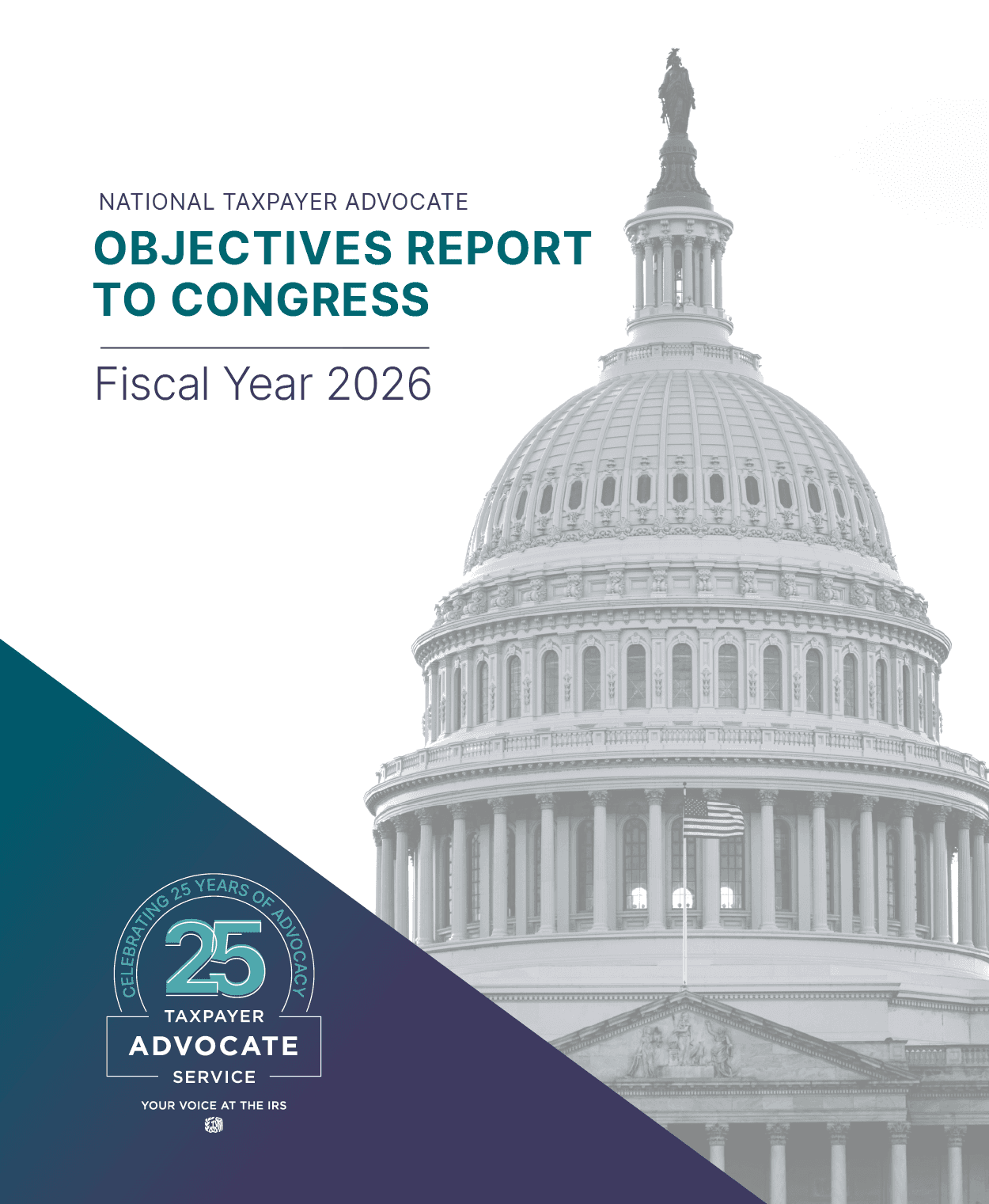
Refunds moved quickly for most taxpayers in the 2026 filing season, but the cases that needed a person at the IRS still faced delays. Erin M. Collins’s June 24 report to Congress flagged suspended returns that required extra processing, longer resolution times for identity-theft victims and persistent bottlenecks for taxpayers who could not solve problems online.
The filing-season totals were strong. The IRS said it processed nearly 139 million individual returns and issued more than 90 million refunds, while about 98% of Forms 1040 were filed electronically and about 98% of refunds went out by direct deposit. That scale matters for tax teams at KPMG because it shows how much of the system now runs through digital channels, even as the most complicated cases still depend on manual review and human intervention.

The Taxpayer Advocate Service also reminds practitioners that the National Taxpayer Advocate submits two reports to Congress each year, an annual report in January and an objectives report in June. That June update is where Collins uses the spotlight on service problems, and this year the message was clear: modernization is helping throughput, but it has not erased the risk of refund delays, correspondence backlogs or stalled identity-theft cases. For KPMG professionals handling filing, controversy and compliance work, that makes pre-filing review, return tracking and document retention more than routine process steps. They are now part of client service.
The same service strain appeared in the prior year’s mid-year report, which also described a largely successful filing season but warned about identity-theft refund delays, Employee Retention Credit claim delays and modernization problems. Coverage of that report said the IRS had cut its workforce by roughly 26% to 27%, with especially steep reductions in IT and enforcement. Those staffing cuts helped set the backdrop for this year’s uneven experience, where the agency could move huge volumes but still struggled to help taxpayers who needed a person.
The digital numbers tell the other side of the story. IRS-related coverage said taxpayers logged into online accounts nearly 121 million times and checked refund status through Where’s My Refund? about 346 million times during the 2026 season. For tax teams, that split is the core planning issue: digital tools are absorbing more routine traffic, but complex returns, suspended filings and identity-theft cases still need escalation paths, tighter expectation management and more careful timing.
This article was produced by Prism’s automated news system from verified source data, official records, and press releases, then run through automated quality and moderation checks before publishing. The system is built and supervised by the people who set the standards it runs under. Read our full AI policy.
Did this article answer your question?


.pdf%2F_jcr_content%2Frenditions%2Fcq5dam.thumbnail.319.319.png&w=1920&q=75)