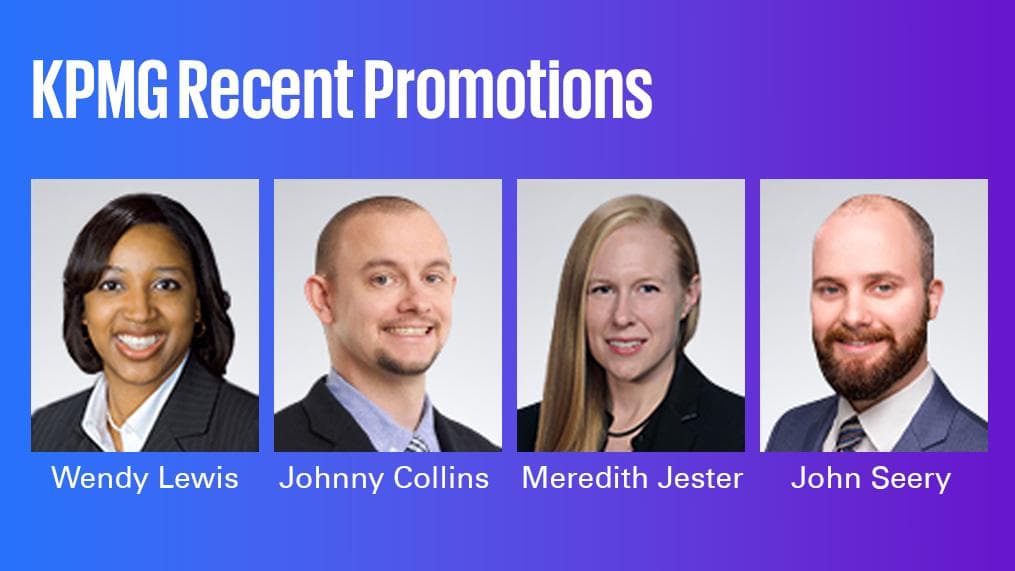
KPMG partner track demands trust, client pull and new business
Partner is where trust turns into ownership. At KPMG, the jump depends less on polish than on client pull, sponsorship, judgment and the ability to bring in work.
The partner track is a business handoff, not a trophy
Edward Mendlowitz’s bluntest point is the one too many high performers miss: partnership is not an honorary position. It is a serious move for people who have already shown they can carry the practice forward, not just execute well inside it. In Big Four terms, that means the conversation changes from “excellent manager” to “future owner.”

That shift matters at KPMG because the firm’s public messaging about new partners keeps circling the same idea. When KPMG named its FY24 Americas partner class on September 19, 2024, it said those new partners had exhibited professional excellence and were living the firm’s values. When it announced its FY25 Americas partner class on September 17, 2025, it described the incoming group as people making the difference for clients, people and communities, and as role models who delivered excellence, led with integrity, and reflected the firm’s values. The message is clear enough: the title is meant to recognize people who can already influence business, culture and client outcomes.
What actually separates senior performers from partner candidates
Mendlowitz’s checklist reads like a reality test for anyone who wants the promotion at KPMG or any other large professional-services firm. Keep every promise. Do not make a partner chase you. Take over as much of a partner’s client work as possible. Build strong client relationships so you become the first call on new opportunities. Keep the partner informed. Develop added services the firm can sell.
Those are not soft traits. They are observable signals that tell current partners whether someone can be trusted with more of the book. If a manager can absorb work cleanly, communicate proactively, and become the person clients seek out without prompting, that is already a sign of internal influence. It shows the person is moving from delivery to stewardship.
The real divider is whether someone can operate like a trusted owner. Technical excellence still matters, but it is not enough on its own. The partner candidate has to coordinate across tax, audit and advisory specialists, preserve client confidence, and make judgment calls that protect both the relationship and the revenue attached to it.
The commercial test is bigger than billable hours
The business case for partnership is simple: can you create and protect future revenue? Mendlowitz is direct that anyone aiming for partner has to bring in new business. That can mean generating leads, building referral sources, or becoming the go-to person in a niche or industry. In other words, the question is not whether you are busy. It is whether clients, referral partners and colleagues trust you enough to route future work through you.
That is where political capital starts to matter. In a large firm, the people who rise are often the ones who already have a visible role in protecting a relationship when a senior partner rotates out, a client gets nervous, or a proposal needs to be won quickly. Being first call on new opportunities is not a slogan. It is evidence that the market and the internal partnership both see you as someone who can carry the account.
Mendlowitz also reminds readers that partnership comes with financial responsibility, including buy-out payments. That detail strips away any lingering fantasy that partner is just a status marker. It is ownership, with obligations attached. At KPMG, where the network spans 152 countries, that ownership has to work inside a global structure, not just inside one office or one specialty.
Why KPMG’s structure makes the partner test even harder
KPMG describes KPMG LLP as the first of the Big Four to organize itself along the same industry lines as clients. That matters because it pushes partner-track talent to think commercially in the same language clients use. You are not just learning audit, tax or advisory. You are learning how a client’s industry works, where its risk sits, and where adjacent services can be attached without damaging trust.
KPMG also says its culture and values guide decision-making and interactions with colleagues and clients, and that people are its most valuable asset. Its stated values are integrity, excellence, courage, together and for better. Those are not decorative words in a partnership discussion. They are the standards used to judge whether someone can lead under pressure, make the right call when the answer is uncomfortable, and collaborate across service lines without turning every relationship into a turf battle.
That is why the partner track at KPMG tends to reward people who show they can extend a relationship, not just service one. A candidate who can translate industry insight into new offerings, keep a partner fully informed, and bring other specialists into the room without losing the client has already started doing partner work.
The signals KPMG professionals can watch now
If you want a reality check on whether someone is actually on partner pace, look for what cannot be faked for long.
- Book-of-business potential: Does the person already sit close to revenue, either through new leads, referrals, or a niche where clients seek them out?
- Sponsorship: Are senior partners pulling them into bigger conversations, or are they still trying to get noticed from the sidelines?
- Reliability under load: Do they keep promises and communicate early, or do partners have to chase them for updates?
- Client pull: When new opportunities arise, are they one of the first names raised by clients and colleagues?
- Cross-service leadership: Can they work across tax, audit and advisory without creating friction or losing momentum?
- Risk judgment: Do they know when to push, when to pause, and how to protect the relationship while still growing it?
Those signals are more useful than the folklore that often surrounds promotion cycles. At firms like KPMG, the people who keep rising are usually the ones who have already become hard to replace in commercial terms. They are not just delivering work. They are helping the firm keep, expand and eventually inherit client relationships.
The bottom line for a firm that sells trust
The most useful thing about Mendlowitz’s framework is that it turns partner-track mystique into something concrete. Partnership is not about being the smartest person in the room. It is about being the person partners trust with work, clients trust with judgment, and the firm trusts with future revenue.
KPMG’s own language around its Americas partner classes, its values, and its industry-driven structure points in the same direction. The firm is telling people that the path up runs through trust, commercial instinct, collaboration and values that hold under pressure. For anyone watching the partner race from the inside, that is the real scoreboard.
This article was produced by Prism’s automated news system from verified source data, official records, and press releases, then run through automated quality and moderation checks before publishing. The system is built and supervised by the people who set the standards it runs under. Read our full AI policy.
Know something we missed? Have a correction or additional information?
Submit a Tip