KPMG report says global mobility is shifting to strategic talent tool
KPMG says mobility is moving from admin overhead to a talent lever, with AI, analytics gaps and ROI pressure reshaping who gets sent where.
Global mobility is becoming a talent strategy, not a back-office function
KPMG’s latest global mobility benchmark says the real question is no longer how to move people across borders, but how to use those moves to solve talent gaps, retain high performers and prove business value. The report, based on 456 multinational enterprises across 29 jurisdictions and 12 industries, shows mobility teams under pressure to justify what their programs deliver, not just what they cost.

That matters inside a firm like KPMG because the stakes are no longer limited to immigration paperwork and tax compliance. International assignments, transfers and rotations are increasingly tied to workforce planning, succession pipelines and where the firm can deploy skills fastest. For people on the partner track, or those angling for broader advisory experience, the assignment is becoming a career signal and a business decision at the same time.
Why the shift is happening now
KPMG links the change to a tougher operating environment. Its 2025 CEO Outlook says confidence in the global economy is at its weakest level since 2021, and nearly three-quarters of CEOs say the pressure to secure long-term growth is rising. In that kind of market, companies are looking more carefully at where expertise sits, how quickly it can be redeployed and whether mobility can fill capability gaps without adding permanent headcount.
The report also says mobility leaders expect the strategic value of their programs to rise from 6.0 to 7.1 out of 10 over the next 12 to 18 months. That is not a cosmetic shift. It suggests the function is moving closer to the business core, where mobility is judged on whether it helps win client work, build leadership depth and support growth in the right markets.
For KPMG professionals, that means a rotation or transfer is no longer just a lifestyle decision or a line on a CV. It can be part of how the firm balances capacity during busy season, builds market-facing talent and keeps strong performers from leaving when their next step is not available in their home office.
The technology gap is now part of the mobility story
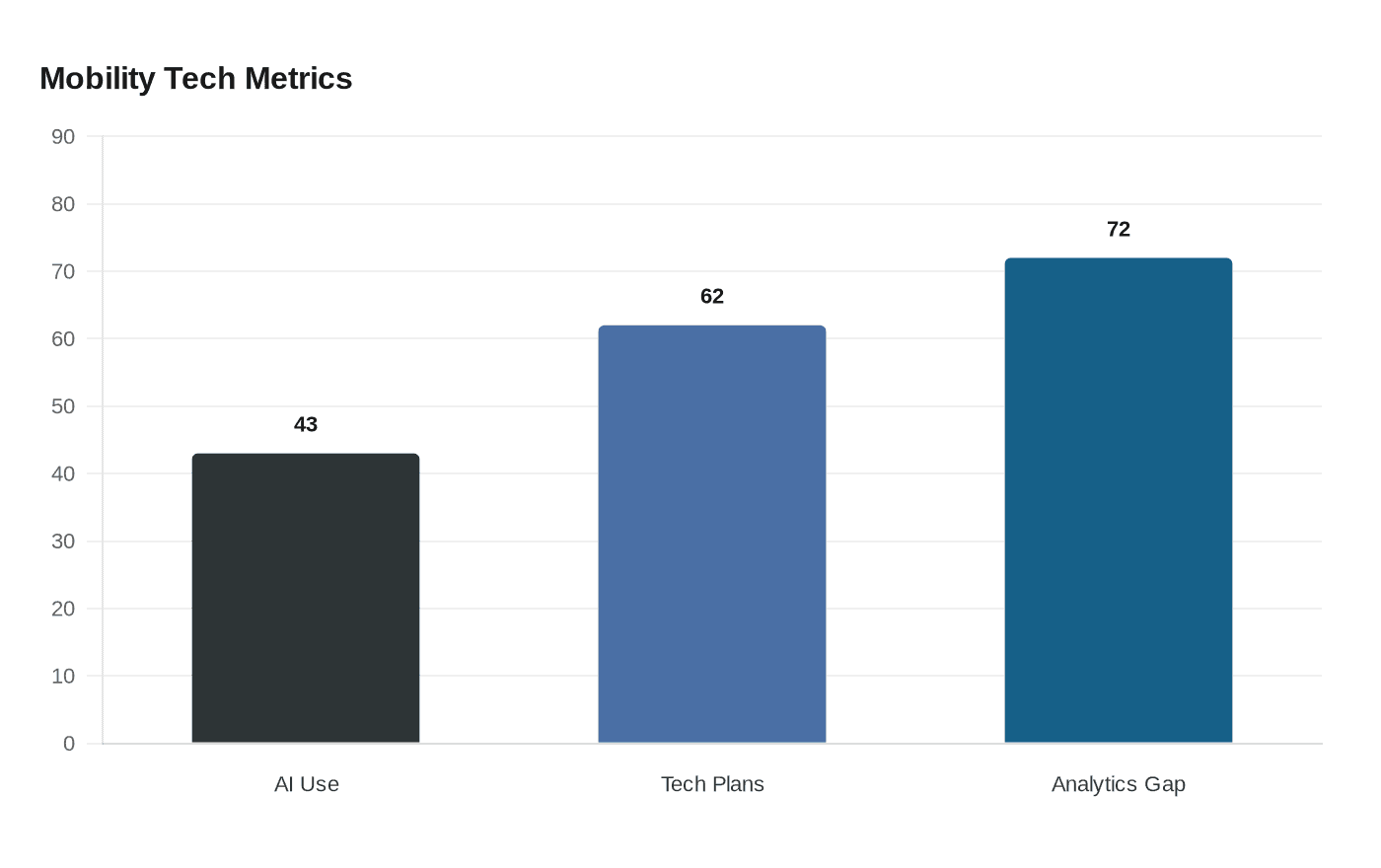
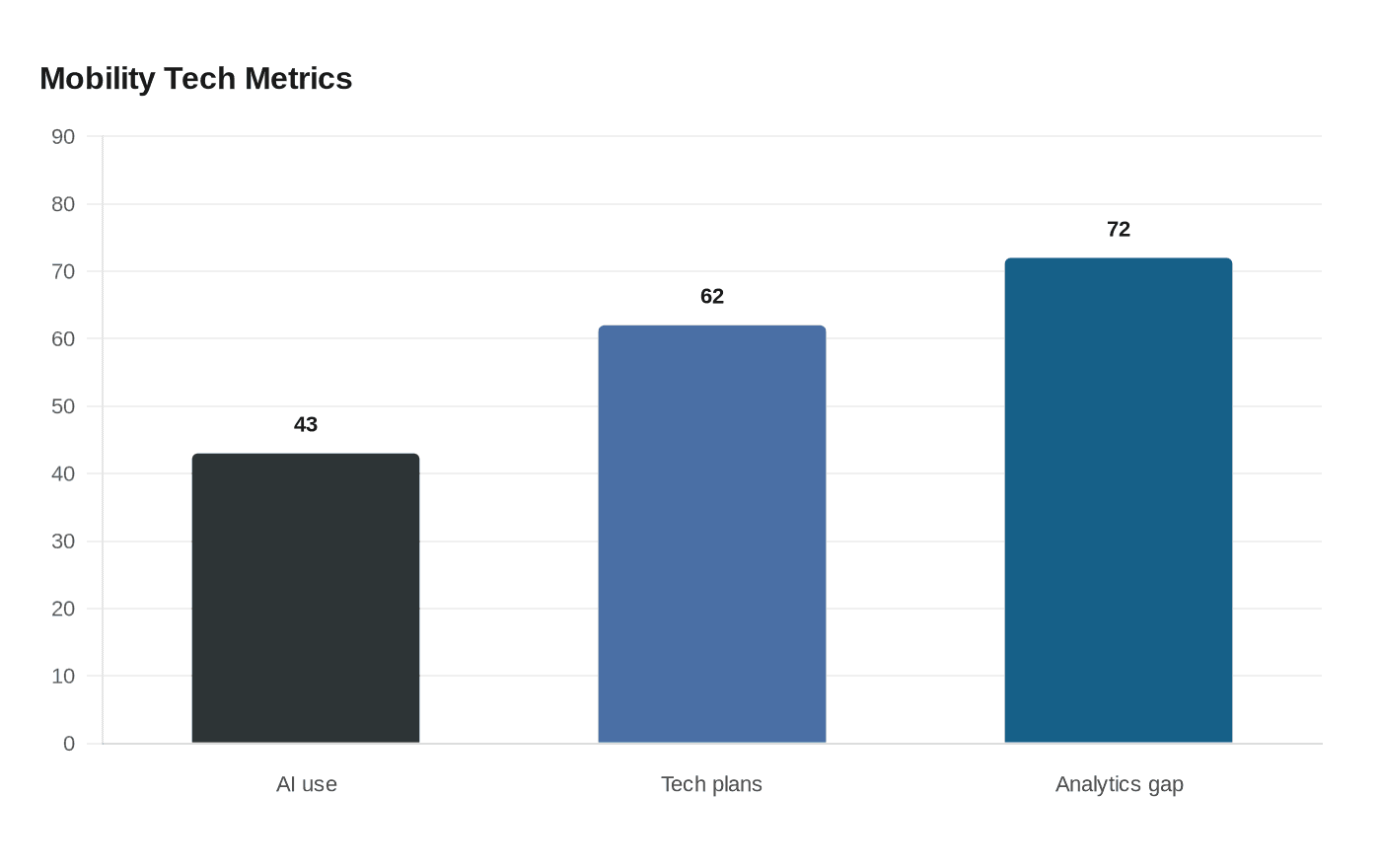
The report makes clear that technology is changing mobility, but not evenly. KPMG says 43% of mobility teams are already using AI for administrative tasks, while 62% plan technology investments in the coming year. At the same time, 72% of mobility teams say they struggle to scale analytics, and many still rely on spreadsheets instead of more advanced tools.
That combination says a lot about where the function is today. AI is helping with routine work, but the bigger challenge is turning mobility data into decisions that executives trust. If a firm cannot see which assignments produce the strongest retention, leadership development or client impact, it will struggle to argue that mobility deserves a bigger strategic role.
For a professional services firm, this is not a small issue. Better data could show which offices consistently generate future leaders, which rotations help fill hard-to-staff practices, and where policy frictions are pushing people to decline opportunities. Without that visibility, mobility risks staying reactive, even as the business expects it to be strategic.
What it means for careers, advancement and access
The upside of more strategic mobility is obvious. Done well, it can open faster routes to experience, broaden a consultant’s market exposure and help an auditor or adviser build the kind of cross-border judgment that matters in leadership roles. It can also give the firm a cleaner way to deploy scarce specialists where client demand is strongest.
The tradeoffs are just as real. Rotations can carry family burden, disrupt routines and create hidden career filters if only people with the right personal circumstances can accept them. If mobility becomes a gate to promotion or a prerequisite for leadership, the firm has to be honest about who can access those opportunities and who gets left behind.
That is why tax, immigration and policy expertise remain central even as mobility becomes more strategic. The more the firm leans on assignments to solve talent shortages and build future leaders, the more it needs clean data, consistent policy design and a process that does not lose people in the paperwork. Strategy without operational discipline will not hold up for long.
The biggest next step is not more movement, but better alignment
KPMG says one in three mobility leaders are focused on articulating a clearer strategy in the coming months, which is telling. The message is not that companies need more moves for their own sake. It is that they need a clearer answer to why each move exists, what business outcome it supports and how success will be measured.
The report says mobility teams should realign strategy, harness AI and automation, elevate ROI and business value, craft agile policies, build stronger teams and partnerships, and deliver seamless, personalized mobility journeys. That list reads less like an HR wish list than a management agenda. It points to a function that has to serve employees, but also justify itself in the language of growth, efficiency and capability deployment.
KPMG’s own scale shows why this matters. Its Global Mobility Services practice has more than 5,000 professionals in 200+ jurisdictions, giving it a front-row view of how quickly cross-border work is being reshaped. The 2025 benchmark is also broader than its 2024 survey, which covered 225 multinational enterprises across 12 industries and 29 countries and jurisdictions. The larger sample reinforces the same direction of travel: mobility is not shrinking into compliance, it is expanding into strategy.
For KPMG employees, the practical takeaway is simple. A transfer, secondment or rotation now sits at the intersection of career growth and firm economics. The winners will be the people and programs that can turn mobility into future leadership, not just movement on a spreadsheet.
This article was produced by Prism’s automated news system from verified source data, official records, and press releases, then run through automated quality and moderation checks before publishing. The system is built and supervised by the people who set the standards it runs under. Read our full AI policy.
Know something we missed? Have a correction or additional information?
Submit a Tip