KPMG says AI is moving from pilots to measurable business value
KPMG found AI was part of everyday work at 22% of organizations, up from 13%, while a third of leaders still lacked clear usage-cost visibility.
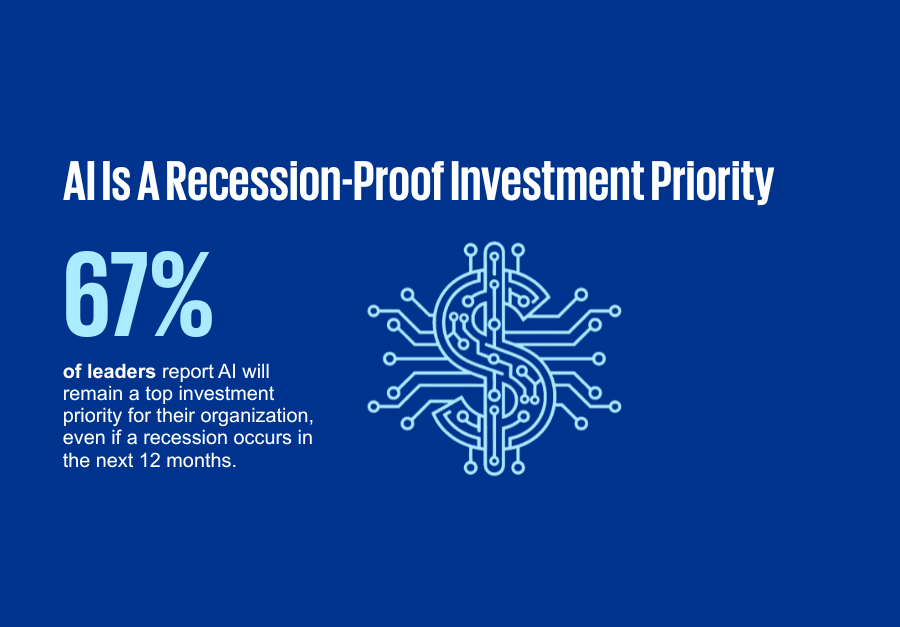
KPMG’s Global AI Pulse survey found AI had moved into everyday work at 22% of organizations, up from 13% in the prior quarter, even as 79% of leaders kept it near the top of their investment priorities. The firm said total spending held roughly steady at $188 million, a sign that companies were still funding AI while tightening the definition of success.
The sharpest constraint in the survey was not adoption, but economics. KPMG said one-third of leaders still lacked a strong understanding of usage costs, with the problem especially acute for AI agents. That matters because the survey tied accountability directly to results: organizations where CEOs were accountable for decisions based on AI outputs reported higher confidence in their AI strategy, greater value realization and more established ROI than those without that accountability.

For KPMG auditors, tax professionals and advisers, that shifts the conversation with clients from experimentation to control. Buyers are no longer asking only whether AI can help them work faster. They are asking whether it can be governed, measured and priced in a way that survives scrutiny from finance, risk and the business. That puts more pressure on AI business cases, agent governance, consumption controls and outcome tracking, especially when clients want proof that the technology is improving margins rather than adding another layer of spend.
The internal pressure at KPMG is likely to rise with the market. Using AI at scale without chargeback discipline, clear ownership and oversight can quickly turn into margin leakage or control risk, particularly in work tied to billable hours and delivery standards. The survey’s finding that strong cost visibility was far more likely to produce ROI gives the firm a straightforward test: AI fluency now has to come with financial discipline, not just technical comfort.
This article was produced by Prism’s automated news system from verified source data, official records, and press releases, then run through automated quality and moderation checks before publishing. The system is built and supervised by the people who set the standards it runs under. Read our full AI policy.
Did this article answer your question?


.pdf%2F_jcr_content%2Frenditions%2Fcq5dam.thumbnail.319.319.png&w=1920&q=75)