KPMG says AI, quantum and ROI are reshaping tech strategy
KPMG’s latest tech report says AI is moving into core workflows, but only ROI-backed use cases and tight governance will survive.

KPMG is pushing a hard line on technology spend: if AI, quantum, or any other new tool does not change delivery, margins, or risk in measurable ways, it does not count. That message matters inside the firm because it shifts the conversation from experimentation to proof, especially as clients ask whether the next wave of tech is improving day-to-day work or just adding another layer of complexity.
ROI is now the test, not the slide deck
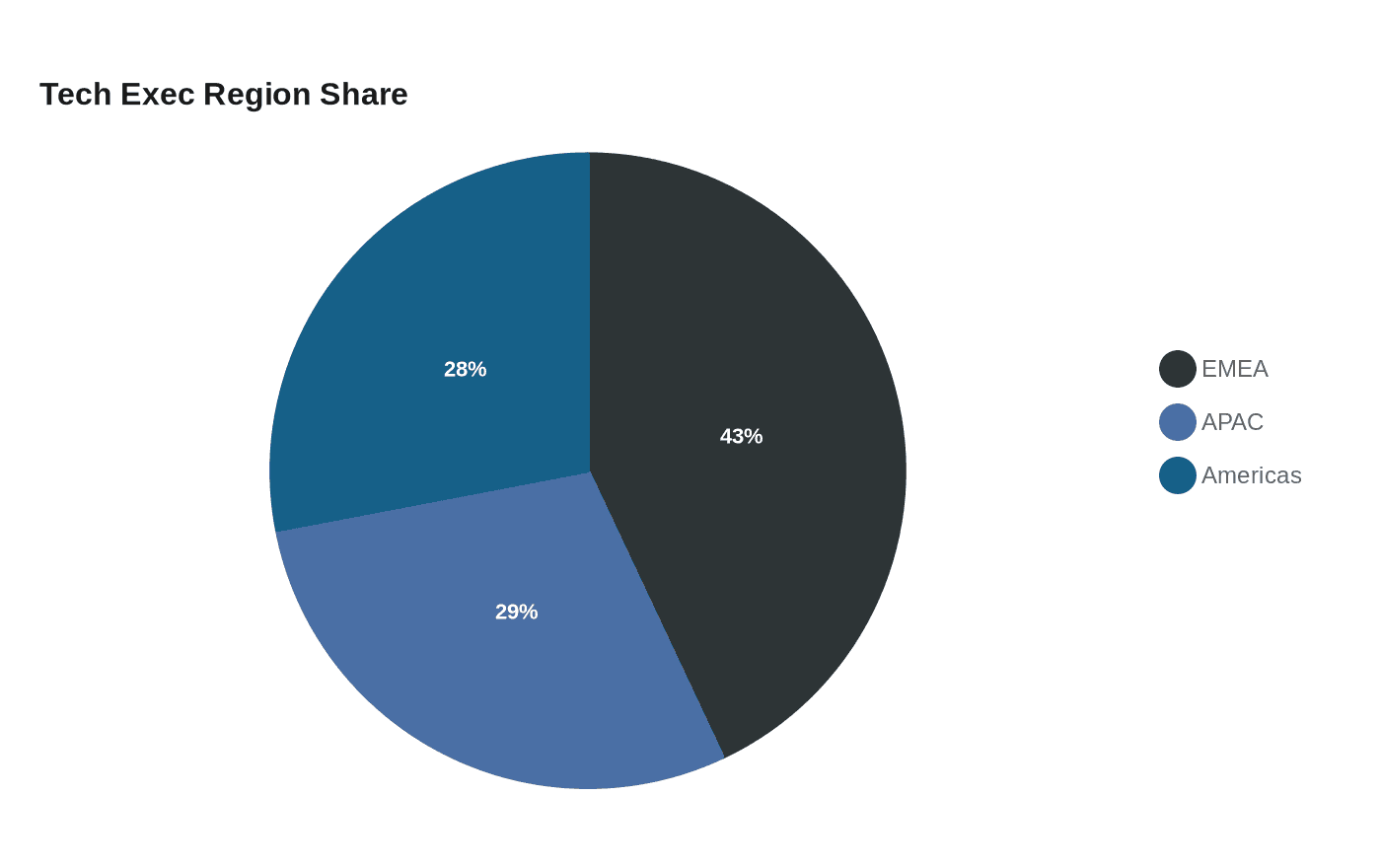
KPMG’s Global tech report 2026 is built on a survey of 2,500 tech executives across 27 countries, with 43 percent of the sample in Europe, the Middle East and Africa, 29 percent in Asia-Pacific, and 28 percent in the Americas. The geographic mix matters because the report is not describing one market’s mood; it is showing a broad pattern in how organizations are trying to separate useful investment from technology theater.
The sharpest number in the report is not about adoption, but maturity. Only 11 percent of tech executives say they are at top tech maturity today, even though about half expect to get there in 2026. That gap is the real story for service-line leaders, because it suggests the hard part is no longer convincing organizations to buy tools. The hard part is getting them to scale those tools without getting trapped by tech debt, siloed teams, or the familiar habit of funding software on indirect and hypothetical benefits.
KPMG’s own framing is blunt on this point: ROI on tech investment can vary dramatically depending on readiness, diligent governance, execution discipline, and organizational agility. For consultants and auditors, that means the business case is no longer just an IT document. It is becoming a management control issue, one that needs clearer KPIs, stronger ownership, and a better answer to the question of what exactly changed after the software went live.
AI is already in the workflow, but value is uneven
The report says 88 percent of organizations are already embedding AI agents into workflows, products, and value streams. That is a meaningful signal that many companies have moved past one-off pilots and into broader use, a point KPMG reinforced in its January 22, 2026 press release saying organizations are moving beyond pilots and trying to embed AI into core workflows and offerings.
But adoption is not the same as payoff. KPMG says 74 percent of AI use cases deliver business value, while only 24 percent achieve ROI across multiple use cases. That gap is where many firms will get stuck: a tool may help a team write faster, summarize better, or route work more efficiently, yet still fail to produce repeatable financial returns across a portfolio of use cases.
The report also draws a line between the best performers and everyone else. Only 2 percent of high performers report several disconnected AI projects and teams, compared with 34 percent of others. In practice, that means the winning organizations are not just launching more experiments; they are coordinating them, sharing data, and reducing the fragmentation that usually turns AI into a patchwork of local wins and enterprise-wide drag.
For KPMG people, that is the most usable lesson in the report. If AI is being deployed in audit workflows, tax processes, or client advisory work, the question is not whether the demo works. The question is whether the tool improves a named process, under clear controls, at a scale that a partner, managing director, or engagement lead can defend.
What managers should measure instead of hype
KPMG says tech executives should update ROI KPIs to match the kinds of business value AI can actually generate. That is a practical instruction, not a slogan. A useful AI case in a consulting or audit practice may show up as shorter cycle times, fewer rework loops, better exception handling, stronger risk detection, or more consistent delivery across teams, not just as direct cost savings in the first quarter.
The report’s emphasis on readiness, governance, execution discipline, and organizational agility also points to a management test that many firms still fail. A tool that looks good in a pilot but sits outside core workflows is not the same as one that is wired into the systems people already use every day. The winners, in KPMG’s framing, are the groups that can connect the tool to a process, connect the process to a metric, and connect the metric to business value that survives scrutiny.
That matters because investment decisions are still often made on indirect and hypothetical benefits. In the real world of professional services, that can mean a partner team approving a platform because it sounds strategic, then struggling months later to show whether it improved realization, reduced review time, or lowered risk. The report’s logic pushes leaders to ask those questions earlier, before the cost is sunk and the enthusiasm has cooled.
Quantum, AGI and ASI broaden the frame
KPMG calls this moment the Intelligence Age, and the report treats AI as only one part of a wider technological shift. Quantum computing is framed as a major source of computing power, but also as a security challenge that will require stronger defenses and better planning. That is important for firms with deep client data, sensitive models, and regulatory exposure, because the technology conversation is no longer limited to productivity software.
The report also notes that AGI and ASI remain unpredictable future possibilities. That restraint is notable in a market where many vendors and commentators talk as if the next breakthrough is already a board decision away. KPMG’s position is more cautious: the future will likely be shaped by multiple layers of change at once, and the near-term work is to build foundations that can absorb the next wave without breaking existing controls.
The structure of the report reinforces that point. Its sections on realizing value from tech investment, building adaptive strategies amid continual disruption, meeting the challenge of the Intelligence Age, and laying the foundations for the next wave all point toward the same operating model: get the governance right, keep the execution tight, and treat innovation as something that has to be proven in the business, not just announced from it.
What this means inside KPMG
For people in audit, tax, and advisory, the report reads like a working manual for client conversations and internal investment decisions. It suggests that the most credible technology leaders will be the ones who can show where AI agents are embedded, which teams own the outcome, and how value is measured across multiple use cases rather than in a single demo or pilot.
It also gives a useful filter for managers reviewing budgets and tool requests. If a proposal cannot explain how it will reduce tech debt, cut through silos, address a talent bottleneck, or improve a defined delivery metric, KPMG’s framework implies it belongs in the innovation theater bucket, not the strategy bucket.
That is the real signal in the report. AI is spreading fast, quantum is getting closer to the board agenda, and the firms that will pull ahead are the ones that can prove the link between technology and results before the next budget cycle closes.
This article was produced by Prism’s automated news system from verified source data, official records, and press releases, then run through automated quality and moderation checks before publishing. The system is built and supervised by the people who set the standards it runs under. Read our full AI policy.
Did this article answer your question?