KPMG says CBP suspends de minimis exemption for low-value imports
CBP’s suspension of the $800 de minimis exemption forces KPMG teams to rework entry filing, valuation and landed-cost advice for importers almost overnight.
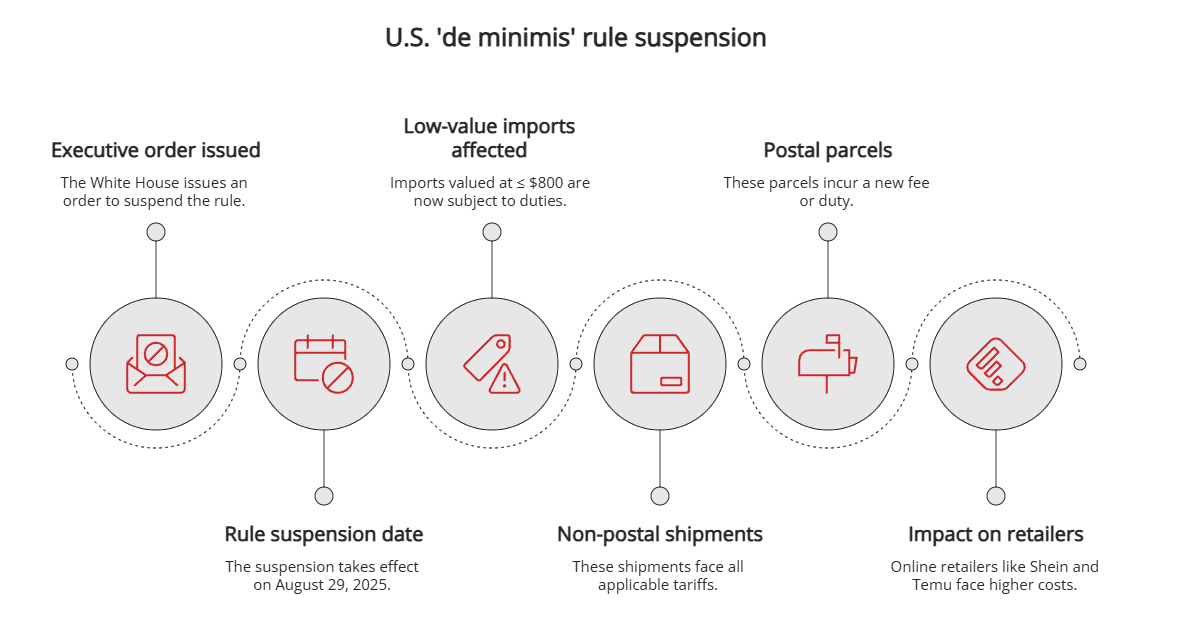
U.S. Customs and Border Protection suspended the $800 de minimis exemption for low-value imports. KPMG’s trade, customs and indirect tax teams had to reset client advice almost immediately after the change. Goods valued at $800 or less can no longer simply slide through duty-free, and KPMG professionals now have to walk importers through formal or informal entry procedures, duty calculation, and the knock-on effects for cash flow, brokerage and supply-chain planning.
The interim final rule for merchandise arriving through all modes other than the international postal network took effect on June 24, 2026, the day it was published in the Federal Register, with comments due by July 24, 2026. The postal network will move to a new informal entry and bonding process on July 24 for qualifying shipments, while CBP tests an electronic entry process for mail that uses enhanced data such as recipient information and postal tracking numbers. That leaves companies using parcel carriers, cross-border fulfillment and postal channels with different compliance paths depending on how goods enter the United States.
Commissioner Rodney S. Scott said the rules close a loophole and align with the president’s suspension of de minimis. Susan S. Thomas, the agency’s Office of Trade executive assistant commissioner, said the changes would “level the playing field” for law-abiding businesses. Diane J. Sabatino, who leads CBP’s Office of Field Operations, said more data would help target and intercept high-risk shipments with greater precision. CBP said the changes would “moderniz[ing] and strengthen[ing]” low-value shipment processing.
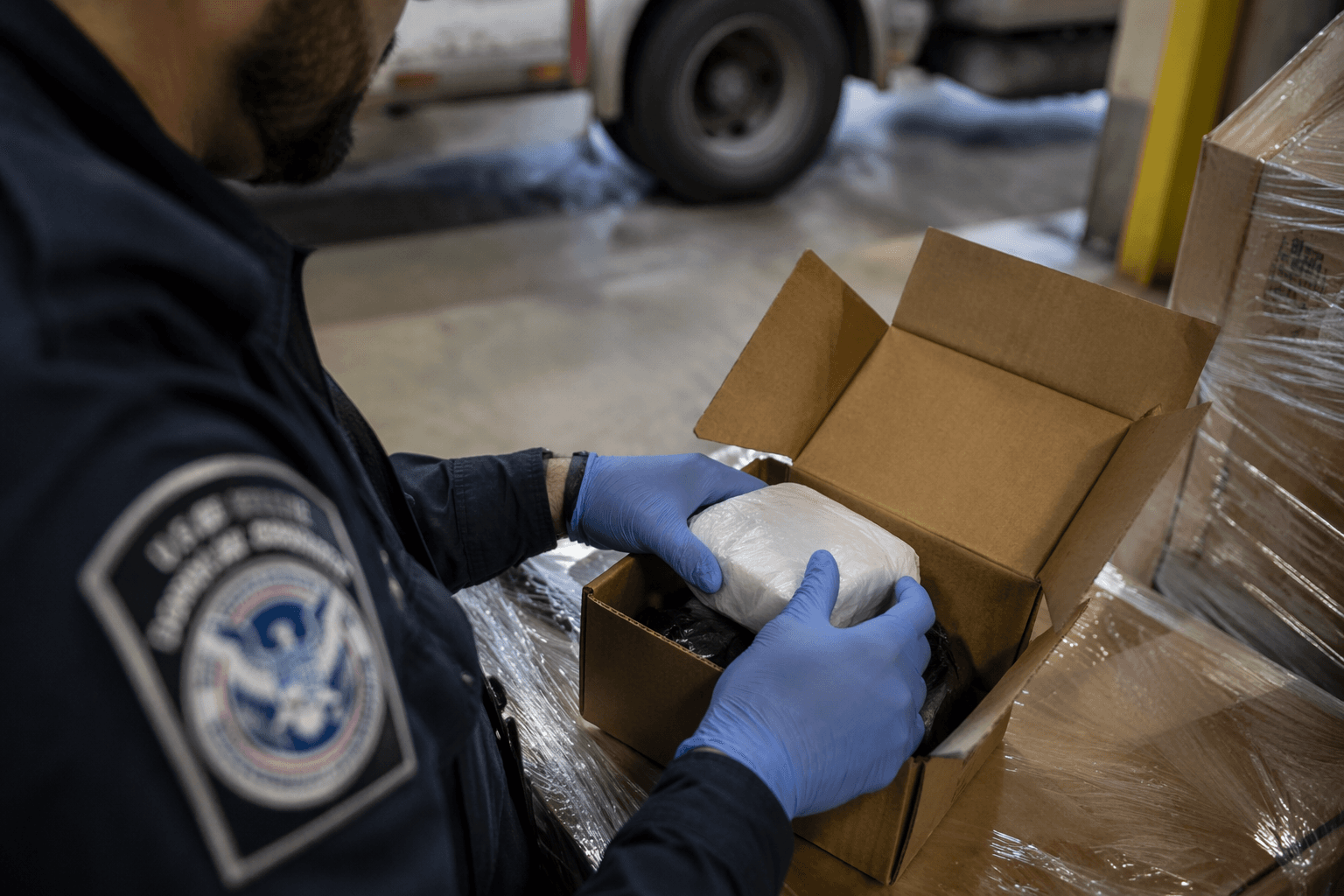
KPMG teams now have to review shipping profiles, classify merchandise correctly, verify valuation, decide whether an entry is formal or informal, and recalculate landed cost assumptions that may have been built on duty-free treatment. Importers using frequent small parcels, overseas fulfillment hubs or postal channels face a fuller compliance burden and a higher chance of delays if the paperwork does not match the new rules.
CBP said the policy shift responds to a surge in volume from 134 million de minimis shipments in 2015 to more than 1.36 billion in 2024, with the agency processing more than 4 million such shipments a day. The broader suspension was first set by the president’s August 29, 2025 action and remains in force with limited statutory exceptions.
This article was produced by Prism’s automated news system from verified source data, official records, and press releases, then run through automated quality and moderation checks before publishing. The system is built and supervised by the people who set the standards it runs under. Read our full AI policy.
Did this article answer your question?


.pdf%2F_jcr_content%2Frenditions%2Fcq5dam.thumbnail.319.319.png&w=1920&q=75)