KPMG says Iran war crisis opens chance to reset Qatar energy strategy
KPMG in Qatar says the Iran war has turned Doha’s LNG push into a test of resilience, with new work flowing into energy, logistics and project risk.
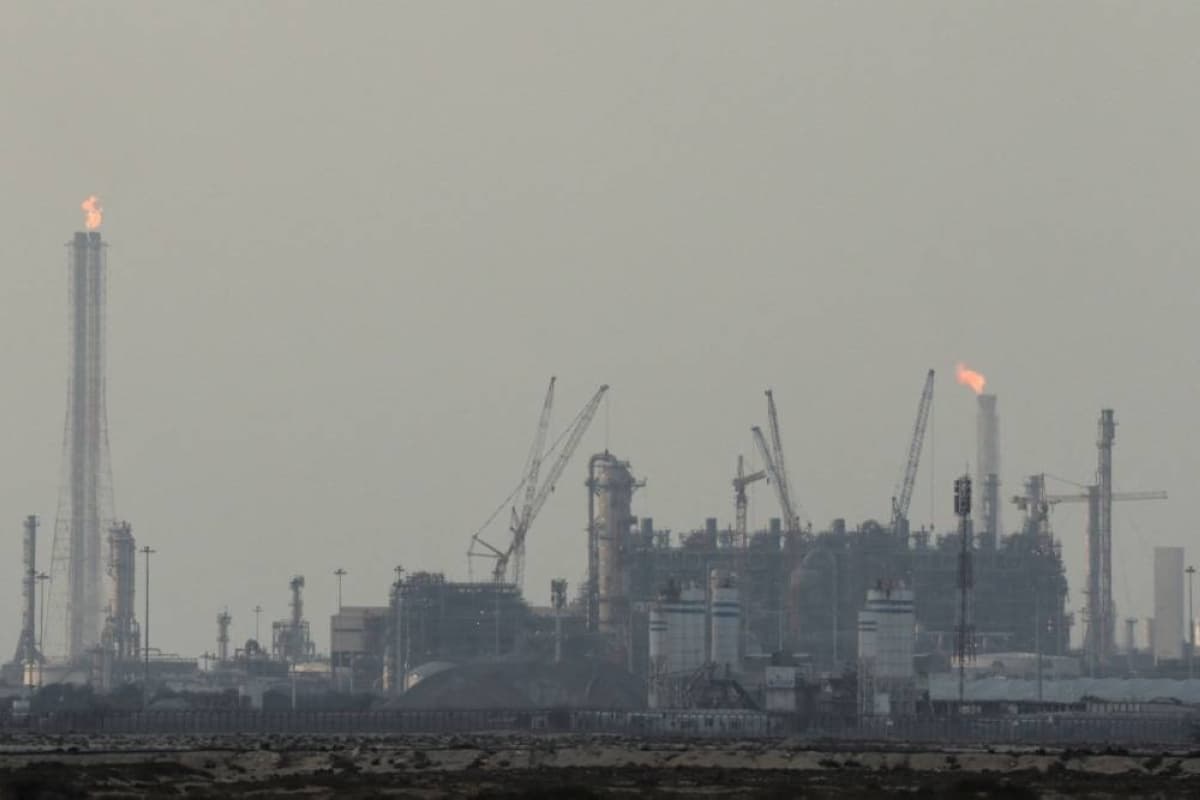
A war across the Gulf has become, in KPMG’s telling, a chance for Doha to retool how it grows, moves energy and sells resilience. In its April 2026 whitepaper, KPMG in Qatar said the crisis creates an opening to reset energy strategy, monetize trade resilience, accelerate diversification and reposition Qatar as the Gulf’s most reliable hub when stress hits.
For KPMG consultants, auditors and deal advisers, that is not a policy slogan. It points to immediate demand in energy, infrastructure, project finance and scenario planning, the kind of work that tends to land on teams already stretched by busy season, promotion-cycle pressure and client deadlines. A client base trying to protect margins in a volatile region will need help stress-testing capital plans, tracking supply-chain exposure, and measuring how delays, rerouting and procurement changes affect delivery costs.
The numbers make the scale clear. Qatar’s official energy plan still targets LNG capacity growth from 77 million tons per annum to 126 million tons per annum, with the North Field Expansion split into North Field East and North Field South. Official Qatar sources say North Field East is scheduled to start production in 2026 and North Field South is expected to deliver its first shipment in 2027. QatarEnergy LNG already operates 14 LNG trains with total annual production capacity of 77 million tonnes, and Qatar remained one of the world’s largest LNG exporters in 2024.
That means the work is less about starting from scratch than about deciding how fast the next phase can move and how much resilience is worth paying for. Qatar and Iran share the world’s largest natural gas field, North Field on the Qatari side and South Pars on the Iranian side, stretching about 9,700 square kilometers. In March 2026, Qatar condemned an Iranian strike on Ras Laffan Industrial City and said all personnel were accounted for with no casualties reported. For energy advisers, that makes routing, redundancy and infrastructure hardening immediate business issues, not abstract strategy.
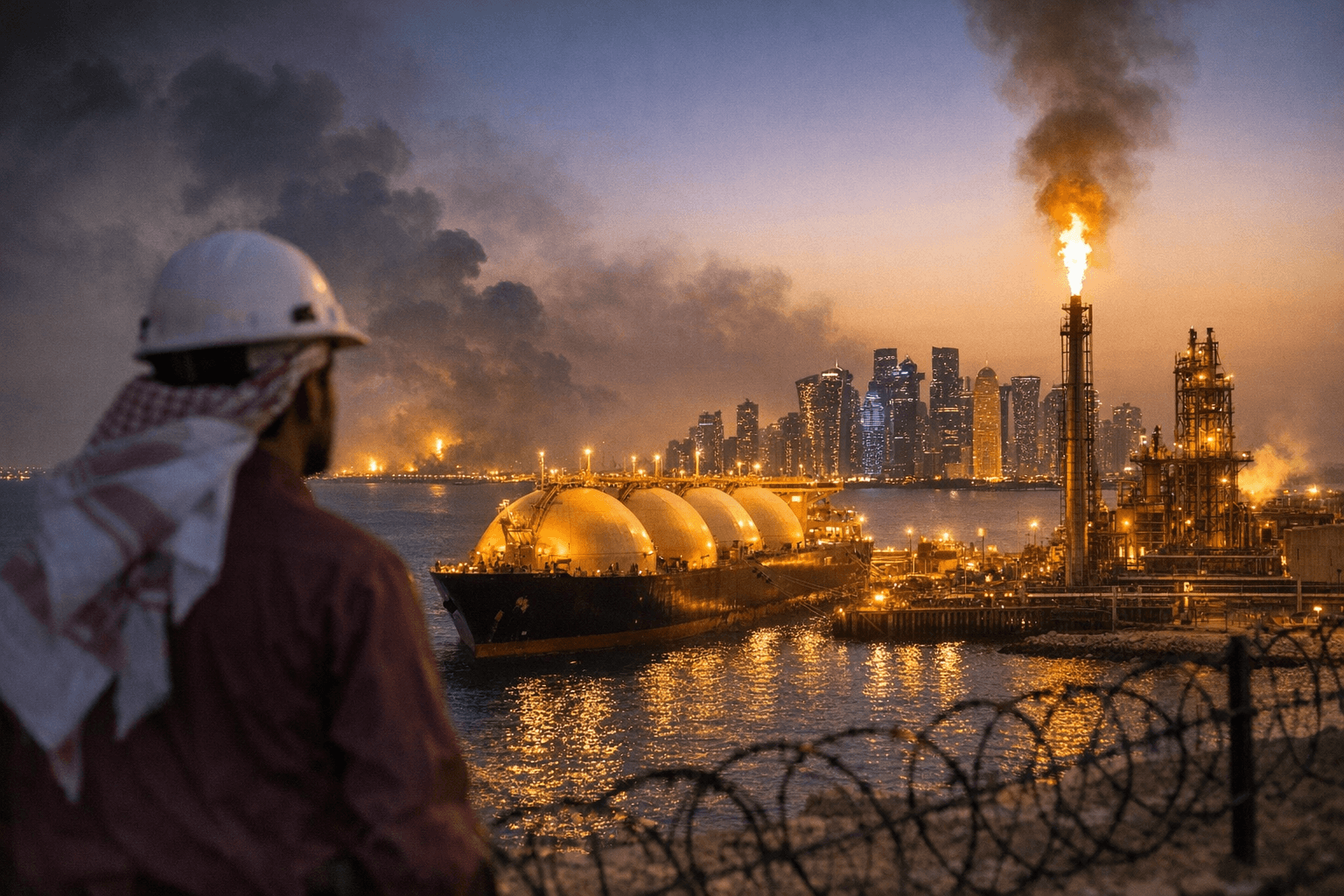
The labour market implications are just as important. Roles tied to capex control, logistics planning, project controls, procurement and downstream economics are likely to become more valuable as clients look for people who can turn disruption into decisions. By contrast, parts of the market built around routine execution and predictable project timing look more exposed if regional tensions keep inflating costs or slowing work. Qatar’s Third National Development Strategy, which runs from 2024 to 2030, puts diversification at the center of the country’s next phase, and KPMG’s argument is that resilience is now part of that same agenda.
There is also a reputational test. Firms that talk about resilience, diversification and opportunity during a war will have to show they are solving real operating problems, not packaging crisis as a sales pitch. In Doha, that distinction may decide which advisers win the next round of work.
This article was produced by Prism’s automated news system from verified source data, official records, and press releases, then run through automated quality and moderation checks before publishing. The system is built and supervised by the people who set the standards it runs under. Read our full AI policy.
Did this article answer your question?


.pdf%2F_jcr_content%2Frenditions%2Fcq5dam.thumbnail.319.319.png&w=1920&q=75)