KPMG says keeping older workers could add A$29 billion to Australia’s GDP
KPMG said lifting 55-to-64 participation to 77% could add 240,000 workers and A$29 billion a year, a signal for retention and late-career planning.

KPMG Australia put a hard dollar figure on a workforce problem many professional services firms already feel in audit, tax and advisory: keeping experienced older workers attached to the labour force could add A$29.0 billion a year to GDP. The firm’s June 17 analysis said lifting participation among people aged 55 to 64 to 77% would bring in about 240,000 more workers, generate A$16.7 billion in extra wages and A$12.3 billion in extra business profit.
For KPMG leaders, the significance sits inside the firm’s own operating model. Much of the value in a Big 4 practice comes from judgment, client continuity, coaching and the ability to move know-how across engagement teams. If seasoned staff leave too early, firms do not just lose headcount, they lose the people who know how to handle a complex audit review, steady a volatile client relationship, or train younger managers through busy season.
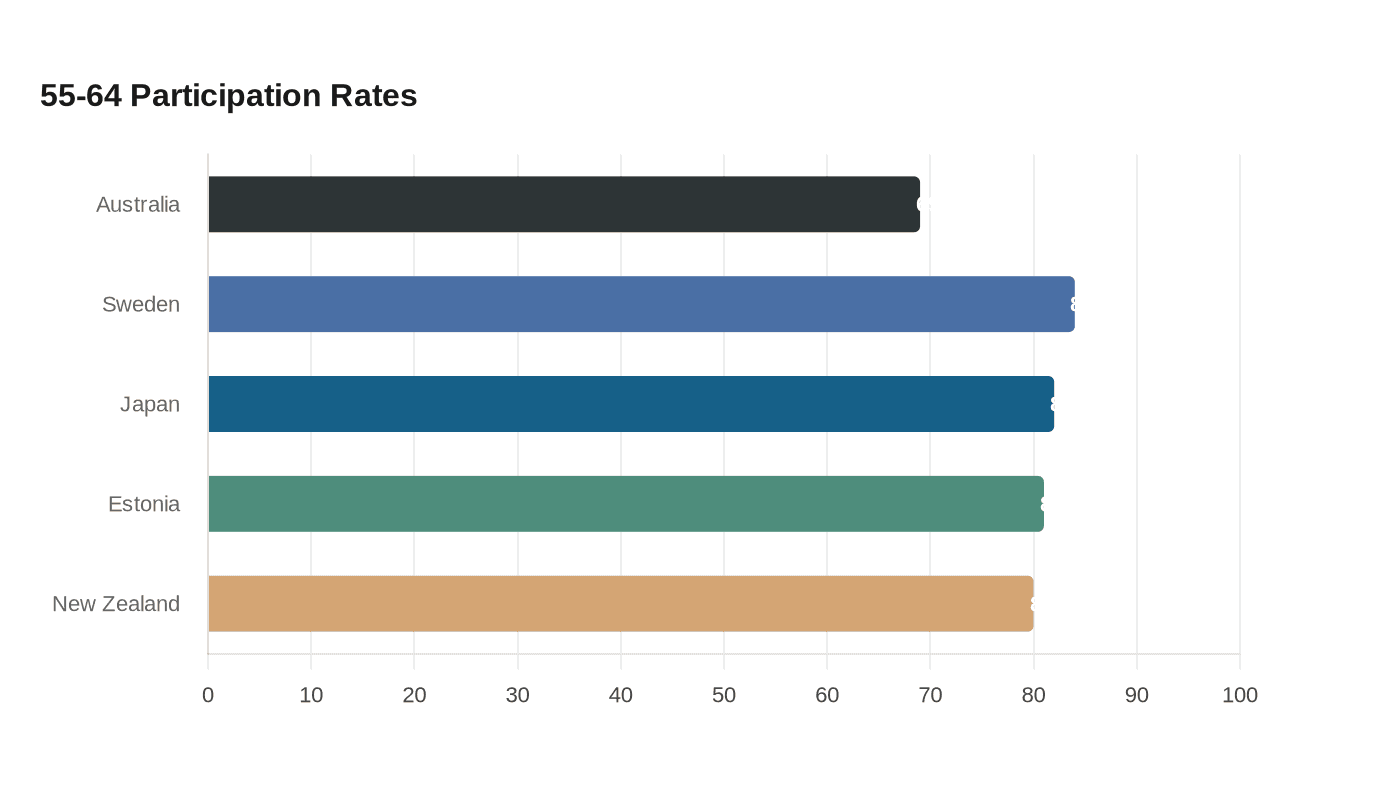
KPMG said Australia had slipped from 17th to 24th globally in workforce participation among 55- to 64-year-olds, and cited OECD data showing the participation rate for that age group was 69% in 2025. The comparison was stark: Sweden was at 84%, Japan 82%, Estonia 81% and New Zealand 80%. Terry Rawnsley, KPMG’s urban economist, said maintaining older talent is a “multi-billion-dollar opportunity” if the settings are right.

That framing matters inside a firm where career design often narrows at the point when many workers are still highly productive but more selective about hours, travel and client load. KPMG’s own comments around the release said older workers often prefer part-time work, and that flexible arrangements could help match employers with experienced employees. For people teams, that points to practical questions: whether late-career roles are built around reduced hours, whether partners and managers have formal handover plans, and whether institutional memory is being captured before retirement, not after it.
The release also lands against a labour market that has not been slack. The Australian Bureau of Statistics said unemployment was 4.3% in June 2025 and participation was 67.1%. KPMG’s earlier retirement analysis found the expected retirement age in 2024-25 was 67 for men and 65.3 for women, up from a decade earlier, and said only 1 in 10 men were working at age 70 twenty years ago, compared with 1 in 4 today. KPMG has also said the labour force grew by 185,000 people between 2019 and 2021, with those aged 55 and over accounting for almost 70% of that increase.
For KPMG, the message is less about demographics than workforce strategy. If older workers are treated as a growth lever, firms may need to redesign retention, succession and flexible work around late-career talent, not just early-career hiring.
This article was produced by Prism’s automated news system from verified source data, official records, and press releases, then run through automated quality and moderation checks before publishing. The system is built and supervised by the people who set the standards it runs under. Read our full AI policy.
Did this article answer your question?


.pdf%2F_jcr_content%2Frenditions%2Fcq5dam.thumbnail.319.319.png&w=1920&q=75)