KPMG sees India electronics manufacturing tripling to $150B by FY30
India’s EMS market has quadrupled in five years and KPMG says it could hit $150 billion by FY30, but assembly-heavy growth still leaves a value trap.
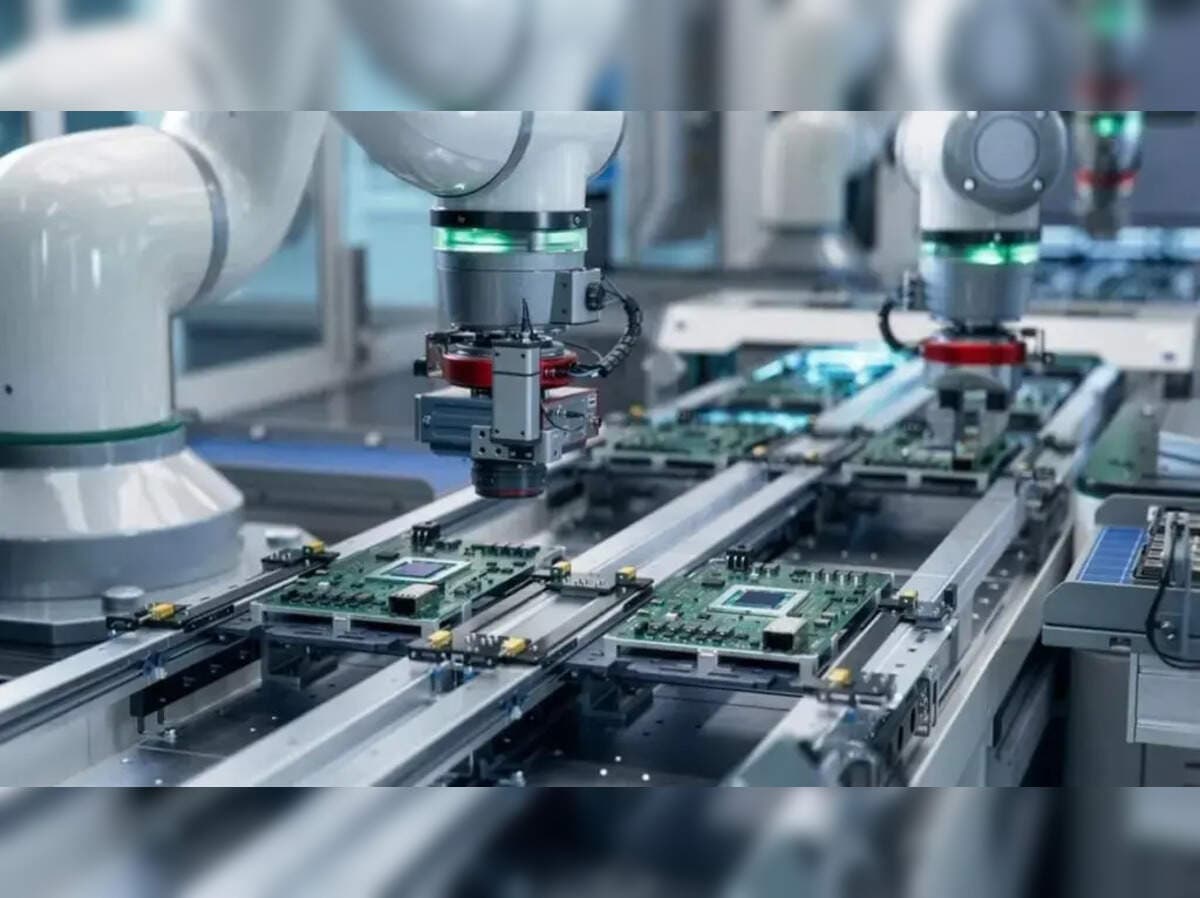
India’s electronics manufacturing services market has already quadrupled over the past five years, and KPMG says it could climb from about $45 billion now to roughly $150 billion by FY30. The bigger question for manufacturers, suppliers and the advisers serving them is whether India can move beyond assembly fast enough to capture the higher-value work that comes with the next wave of supply-chain shifts.
KPMG frames the opportunity as part of a broader reset in global electronics production. China accounted for about 25% to 30% of global electronics manufacturing output in the early 2020s, and the industry is now moving toward a multi-hub model as companies diversify production, build resilience and respond to geopolitical pressure. India still holds only about 5% to 6% of global EMS output, which leaves room for growth, but also highlights how much ground it has to cover.
The clearest near-term engine is mobile phones, which KPMG says make up about 52.5% of India’s broader electronics manufacturing opportunity and have grown at a 19.3% compound annual rate. That sits alongside demand in semiconductors, batteries, displays, LED lighting, wearables and telecom electronics. KPMG also points to consumer and industrial electronics, auto electronics and electronic components as the other major subsegments that can broaden the base beyond handset assembly.
For clients deciding where to invest, hire or expand, the real constraint is not demand. KPMG says India’s EMS ecosystem remains concentrated in lower-value assembly, with limited penetration in design, component manufacturing and intellectual property ownership. That is the execution gap behind the headline forecast. If the country stays stuck at the assembly layer, the economics weaken as policy support tapers, and the next cycle of growth could accrue to markets that control more of the design and component stack.
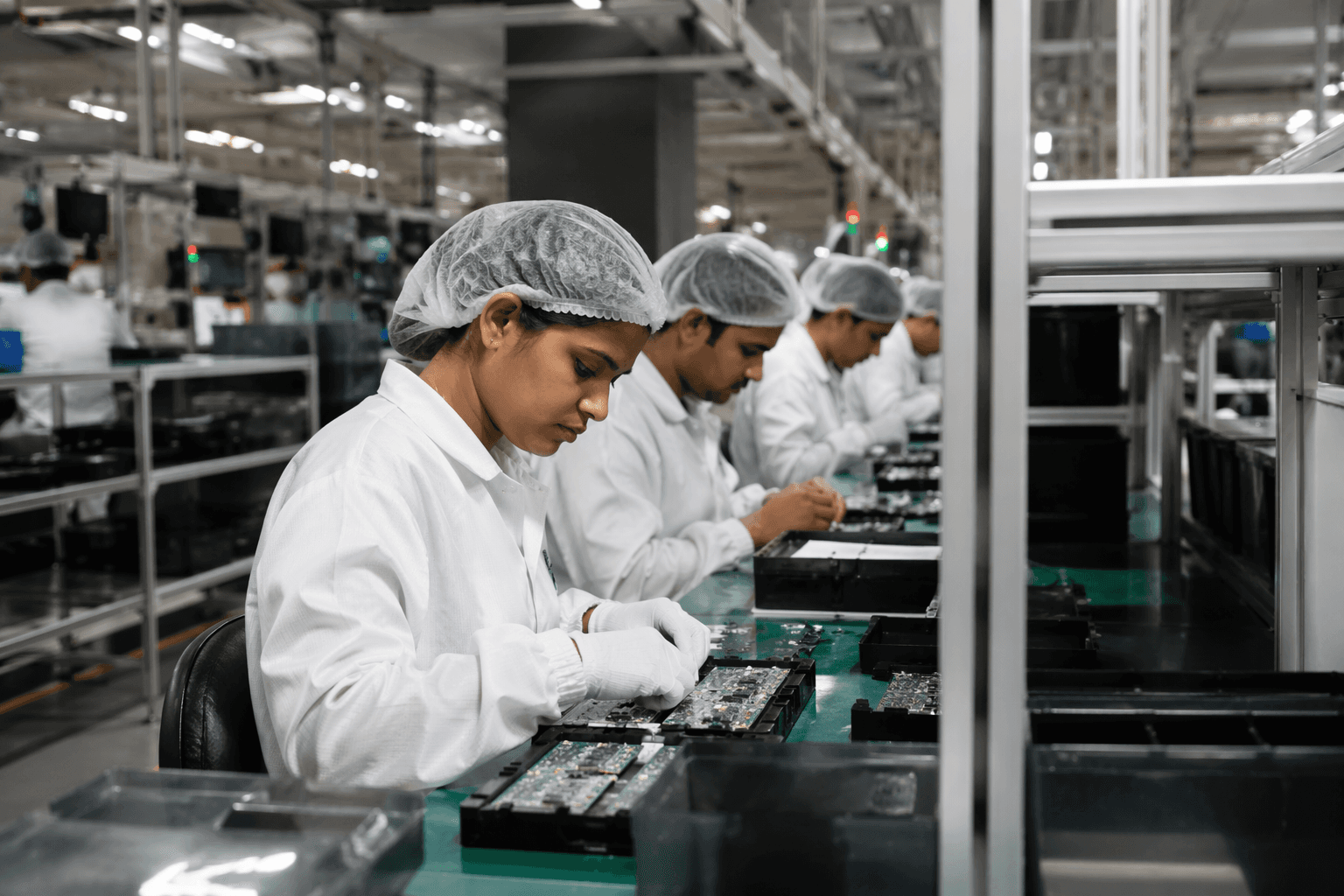
Policy has already played a major role in building scale. KPMG says cumulative incentives for the electronics manufacturing ecosystem have reached about $19.5 billion, and on April 8, 2025, the Union Cabinet approved a 22,919 crore production-linked incentive scheme for electronic components. KPMG’s earlier 2021 work showed what sustained support can do: the Phased Manufacturing Program helped lift telecom handset exports from $0.3 billion in FY15 to $3.8 billion in FY20, create around 300 mobile and mobile component manufacturing units, and generate 670,000 jobs during 2016-19.
That history is why the next three to five years matter. The upside is not just in more factories, but in a more resilient, multi-node manufacturing base that can support exports, domestic demand and industrial upgrading. For KPMG teams, that means the work ahead will be less about celebrating capacity additions and more about helping clients solve the harder problems of localization, supplier depth, design capability and policy-dependent economics before the window narrows.
This article was produced by Prism’s automated news system from verified source data, official records, and press releases, then run through automated quality and moderation checks before publishing. The system is built and supervised by the people who set the standards it runs under. Read our full AI policy.
Know something we missed? Have a correction or additional information?
Submit a Tip

