KPMG Survey: Argentina's Provincial Tax Burden Stifles Investment, Firms Demand Reform
Argentina's Ingresos Brutos tax is named by 60.81% of firms as the top cost and price driver, up from 54% last year, while 88% see zero provincial incentives to invest.
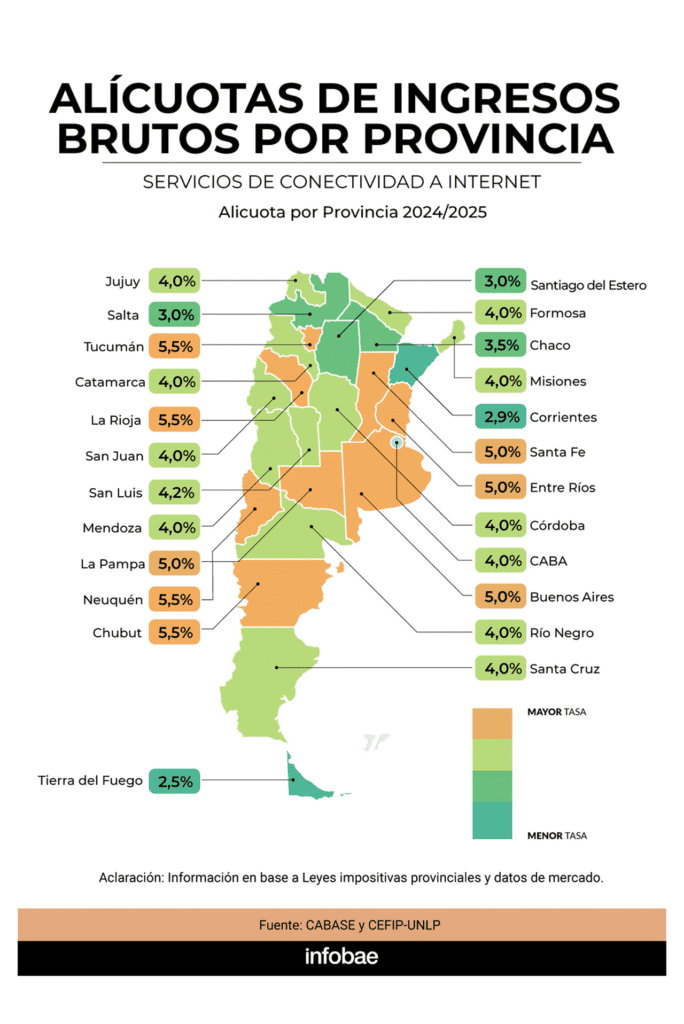
Argentina's Ingresos Brutos tax cemented its position as the country's most damaging levy for business, cited by 60.81% of surveyed firms as the leading driver of prices and costs, up from 54% the year before. The findings come from KPMG's eleventh annual tax survey, which drew responses from more than 80 tax specialists at midsize and large companies across diverse productive and service sectors.
IVA came in a distant second, cited by just 12.16% of respondents, underscoring how thoroughly Ingresos Brutos dominates the corporate tax complaint list. The gap between the two is not marginal; it is structural. The tax applies at every link of the production chain, compounding its effect far beyond what nominal rates suggest.
Nearly 30% of respondents reported rate hikes in 2025, with the jurisdictions most frequently cited being the City of Buenos Aires, the Province of Buenos Aires, and Santa Fe. The Province of Buenos Aires retained its ranking as the country's heaviest fiscal burden. It leads the provincial pressure index, followed by Misiones, the City of Buenos Aires, Córdoba, and Tucumán.
The investment picture is equally stark. A majority of respondents, 96%, said Argentina's tax framework either forced them to divest or, at best, allowed them only to maintain existing investments; just 4% reported carrying out any expansion plan in 2025, a drop of nearly three percentage points from 2024. Meanwhile, 88.41% of respondents said they see no provincial initiatives aimed at generating tax incentives to promote investment.
The dysfunction is not limited to rate levels. Only 16% of surveyed companies reported having no tax credit balances; 84%, two percentage points more than the prior year and four more than in 2023, hold outstanding credits in provincial taxes of varying magnitudes, a form of financial immobilization that KPMG described as highly damaging to firms.

Companies expressed greater willingness to engage with national-level fiscal agencies than provincial ones; when asked to rate the likelihood of future tax reductions on a scale of one to ten, the national level scored a 7, while the best subnational score belonged to the City of Buenos Aires, at just 5. Buenos Aires province's tax agency, ARBA, scored only 3.93 in perceived objectivity, the lowest among institutions assessed.
Fernando Quiroga Lafargue, Corporate Tax partner at KPMG Argentina and the survey's lead author, argued the numbers point to an unavoidable policy conclusion. "Once again, Ingresos Brutos leads the list of those that decisively raise prices of products and services. The gap this levy has over the others is very telling. This year it exceeded 60%, against 54% last year. It is quite unlikely that a deep fiscal reform focused on productivity and development will succeed without targeting a restructuring of this tax and strongly moderating the overlapping provincial collection regimes," he said.
Overhauling Ingresos Brutos ranked as the single most-cited measure firms said would facilitate investment decisions in Argentina, followed by broader tax simplification and the ability to fully credit the tax on debits and credits against other levies. Looking ahead, 57.97% of respondents believe overall fiscal pressure will remain unchanged in 2026, a sign that, whatever their investment intentions, most Argentine firms are not counting on provincial governments to move first.
Know something we missed? Have a correction or additional information?
Submit a Tip