KPMG tracker maps ESG tax incentives, grants and disclosure rules
KPMG’s ESG tax tracker shows where climate policy becomes a tax problem, from incentives and grants to Pillar Two top-up risk.
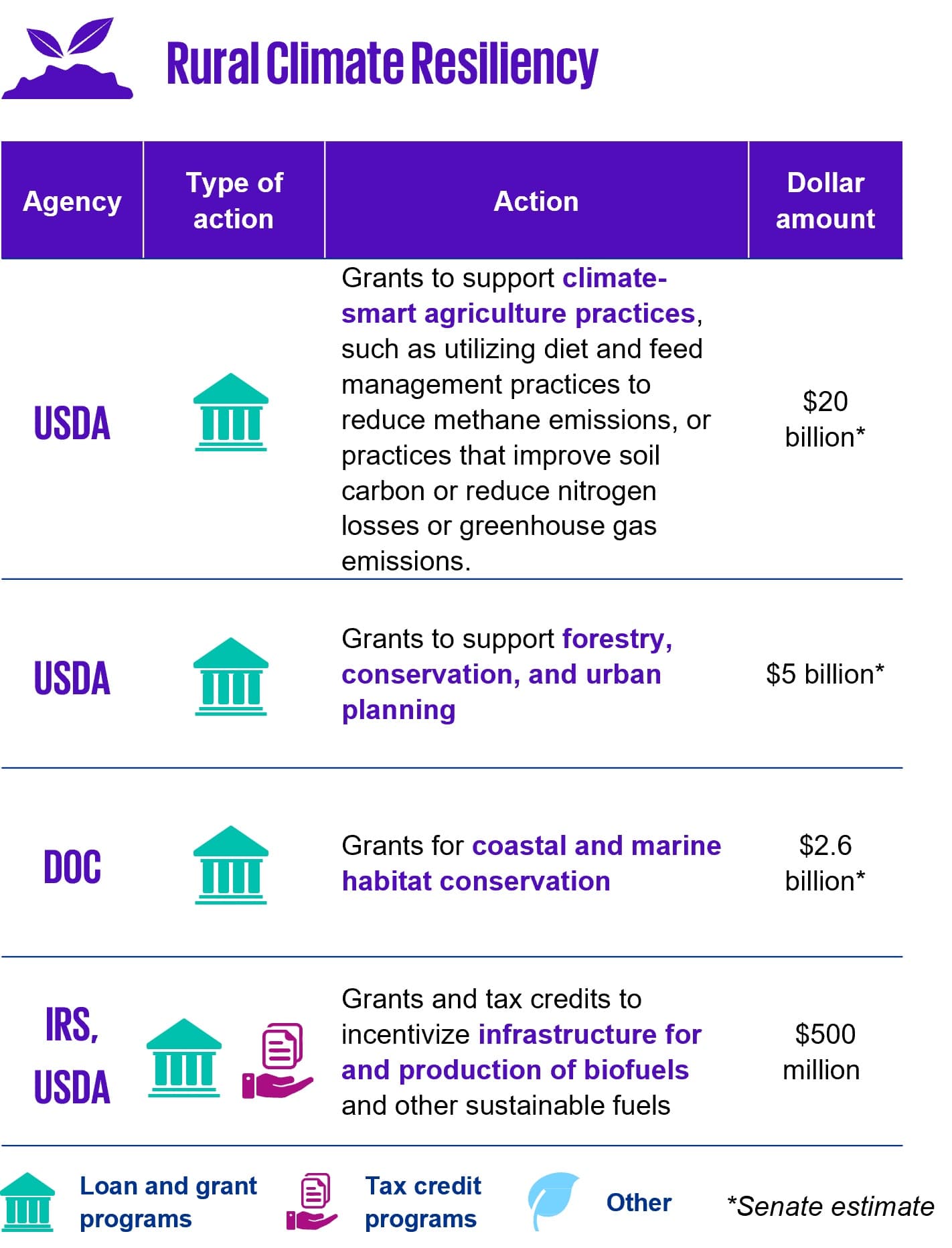
KPMG’s July 2025 ESG Tax Tracker covers global ESG-related taxes, incentives, and grants, the material tax, audit and advisory teams need when a client is deciding where to invest, what can be claimed, and how the accounting will hold up. KPMG Meijburg & Co says companies face an accelerating climate policy challenge, while current global policies remain drastically inadequate, with a projection of 8.8% warming above pre-industrial levels and higher emissions by 2030 under current Nationally Determined Contributions.
Where the immediate client risk sits
The biggest near-term pressure is not the existence of ESG policy itself. It is the way incentives, subsidies and taxes can change the economics of a project from one jurisdiction to the next, then change again once the group is inside Pillar Two. KPMG’s January 2025 article on Pillar Two says some incentives may trigger top-up tax exposure for multinational groups in scope of the GloBE rules, and countries may adjust tax systems so incentives remain effective and efficient after Pillar Two implementation.
When a client is weighing a clean-energy buildout, a decarbonization capex program or a broader capital investment plan, a credit that looks generous on a slide can become far less attractive once top-up tax, grant conditions and local tax treatment are modeled together. For KPMG teams, the tracker pushes the conversation away from abstract ESG language and toward the numbers that change investment decisions.
How the tracker is built into KPMG’s wider tax offering
The July 2025 ESG Tax Tracker sits inside a broader KPMG tax and legal stack. The firm helps clients integrate tax and legal frameworks designed to drive sustainable growth and comply with environmental taxes while accessing funding to decarbonize. It is a set of decisions about compliance, funding, reporting and implementation.
The related pages on “Environmental taxes, incentives, subsidies and grants,” “ESG tax and legal,” and “Environmental Taxation” point in the same direction. The tracker keeps watch on how rules evolve across jurisdictions and how they feed into tax work. A separate KPMG Global R&D Incentives Guide 2025 gives an overview of R&D incentives available throughout the world.
Why audit, tax and advisory all touch the same file
For tax teams, the tracker is the starting point for identifying incentives tied to clean energy, decarbonization and capital investment. For audit teams, the issue is often what those incentives do to financial statements, deferred tax balances and disclosure, especially when benefits depend on documentation, timing or cross-border eligibility. Advisory teams then sit in the middle, translating policy into operating strategy and helping clients decide where to invest, how to structure the transaction and how to defend the position later.
Inside a big firm, people who can read policy, understand accounting consequences and talk through transaction mechanics are more likely to become the ones managers call when a client needs an answer quickly, often in the middle of busy season. The files that touch tax, legal and assurance tend to create the clearest path to higher-value roles and broader client responsibility.
What the 2025 and 2026 updates signal
The July 2025 tracker is one stop in a sequence rather than a one-off note. KPMG published an ESG Tax Tracker update in January 2025, refreshed it again in July 2025, and a Meijburg page dated January 14, 2026 shows the sustainability tax tracker continuing into 2026. The tracker has become part of the firm’s regular monitoring in a market where incentive regimes, climate rules and disclosure requirements can change faster than clients can update their internal playbooks.
KPMG Meijburg & Co’s July 2025 material says governments must still fulfill their commitment to reduce greenhouse gas emissions while trying to control and mitigate climate change, but the current policy path is nowhere near enough. Every new subsidy, grant or environmental tax creates a potential advisory opening on structure, eligibility, documentation and downstream reporting.
What employees should take from it
Inside KPMG, the tracker is most valuable as a business-risk map. It helps teams spot where environmental rules are creating immediate client questions on tax exposure, grant strategy, investment location and disclosure treatment, and it gives consultants a way to move into the conversation before a client’s accounting or compliance team hits a problem.
This article was produced by Prism’s automated news system from verified source data, official records, and press releases, then run through automated quality and moderation checks before publishing. The system is built and supervised by the people who set the standards it runs under. Read our full AI policy.
Did this article answer your question?