KPMG UK details parental leave, childcare and flexible working support
KPMG is bundling leave, backup care and networks into one retention strategy, with the fine print showing how parents can stay in role and on track.
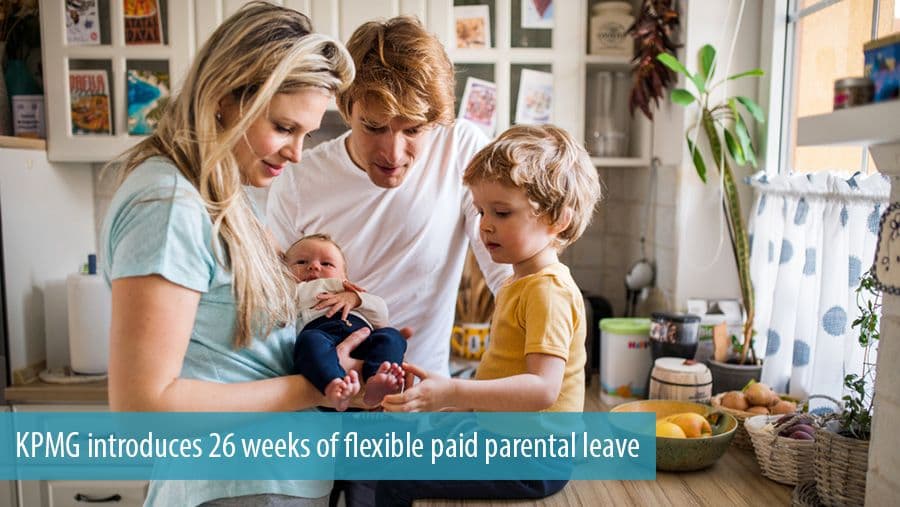
What KPMG says it covers
KPMG UK is treating parenthood as a work-life stage that can last for years, not a one-off leave event. Its Empowering Parents support is pitched at people at every stage of the parenting journey, including those thinking about parenthood, those on leave, and those returning to work, which is a very different message from the usual benefits brochure. For anyone trying to stay visible in a client-facing career, that matters because the real question is not just whether time off is available, but whether a return still leaves room for progression.
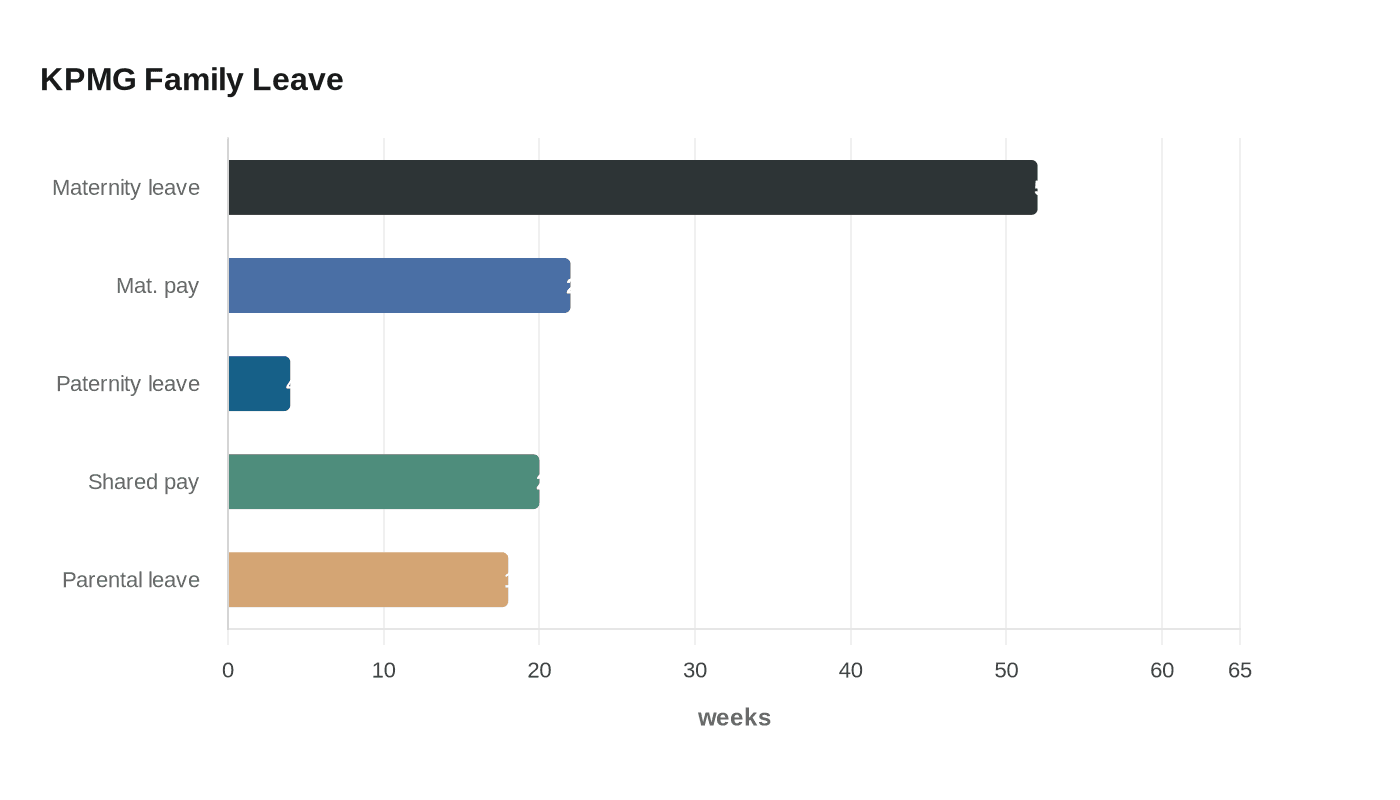
The headline numbers are unusually specific. KPMG says it offers 52 weeks of maternity leave regardless of length of service, 22 weeks of company maternity pay, four weeks of paid paternity leave for partners and non-birthing parents, 20 weeks of company shared parental pay, and up to 18 weeks of unpaid parental leave per child. It also says the policy includes paid leave for miscarriage, stillbirth, neonatal death and surrogacy, plus time off for fertility appointments. In other words, the offer reaches beyond the standard maternity and paternity package and into the messy situations that often disrupt careers without warning.
The fine print that changes the value of the policy
The headline leave entitlement is only part of the story. The shared parental leave policy applies to employees whose baby is due, or who adopt, on or after 5 April 2015, which gives the policy a clear eligibility marker. KPMG also says its enhanced company shared parental pay can reach a maximum of 18 weeks’ normal salary when combined with the firm’s maternity, paternity or adoption policies. That detail matters because shared parental leave often looks generous on paper but becomes harder to use once employees compare it with their partner’s pay, the timing of busy season, and the family budget.

Just as important is the split between paid and unpaid support. KPMG’s 22 weeks of company maternity pay and four weeks of paid paternity leave are the parts most likely to shape real behavior. The 18 weeks of unpaid parental leave per child gives employees a longer legal buffer, but in professional services unpaid time is still a tougher sell for many mid-career staff, especially those already trying to protect chargeable hours, manager feedback and promotion timing.
How KPMG is trying to make leave usable
KPMG says the policy is not meant to end when leave ends. The firm says it supports employees with emergency childcare or elder care, flexible working policies and emergency back-up care for dependants if care arrangements fall through. That is the kind of support that can make the difference between a parent staying in the pipeline and quietly stepping back after one too many childcare failures, school calls or elder-care emergencies.
The company’s careers pages frame Empowering Parents as support for people starting a family, returning to work, or already working parents, with coaching, resources and support. That wording signals that KPMG understands the awkward middle period after leave, when the work has restarted but the home logistics have not fully stabilized. For consulting, audit and advisory professionals, that is often when pressure is highest: client deadlines are back, travel resumes, and a new parent can be measured by the same output expectations as someone who never left.
Why the network piece matters as much as the leave policy
KPMG’s Families Network is one of the clearest signs that the firm knows policy alone is not enough. The network is aimed at expecting, new and experienced parents, and it uses networking events and regular newsletters to share guidance. KPMG also says it has 16 employee networks that are designed to increase collaboration, share best practice and host events, which suggests parenting support sits inside a broader internal system rather than as a standalone HR perk.
That matters in a profession where the unwritten rules can be more powerful than the written ones. A parent trying to navigate leave, flexible working and a return-to-work plan often needs more than a policy PDF. They need practical examples of how colleagues handled it, what managers actually approved, and how others kept their profile high enough to avoid getting sidelined when promotion discussions start.
The internal culture signal
KPMG’s Parenthood Network adds another layer. A Working Families feature says the network was founded by three mothers and promotes resources, support groups and one-to-one coaching. It also says the network launched a breastfeeding awareness campaign in early 2024, which is a concrete example of support turning into workplace practice rather than stopping at policy language. That kind of detail suggests the firm is trying to normalize parenthood inside a high-pressure environment where people can otherwise feel they need to hide the logistics.
The bigger implication is retention. In a firm built on long hours, client service and constant performance review, family support is not just a wellbeing extra. It is one of the tools that determines who stays on the partner track, who drops to reduced ambition, and who exits after the first major caregiving shock.
How this fits KPMG’s wider inclusion strategy
KPMG UK’s Partner Diversity Report 2024 says its inclusion, diversity and equity plan, Our KPMG: A fairer future for all, sets long-term workforce diversity targets through 2030. That positions parental support as part of a wider progression agenda, not a side project for HR. KPMG is also a sponsor of the FTSE Women Leaders Review, whose 2025 report said women held 43% of FTSE 350 board roles and 35% of leadership roles, a reminder that the pipeline question still matters well above entry level.
For KPMG employees, the real test is whether this architecture changes day-to-day decisions. If the leave is paid enough, the return is flexible enough, and the network is active enough to surface real examples, the policy can lower the career penalty that often hits parents in professional services. If it does not, then even a generous package becomes just another document that looks better on paper than it feels in a busy audit season.
This article was produced by Prism’s automated news system from verified source data, official records, and press releases, then run through automated quality and moderation checks before publishing. The system is built and supervised by the people who set the standards it runs under. Read our full AI policy.
Did this article answer your question?


.pdf%2F_jcr_content%2Frenditions%2Fcq5dam.thumbnail.319.319.png&w=1920&q=75)