KPMG warns CP53E notices may trigger client service headaches
About 1.4 million CP53E notices are turning routine refund fixes into a client-service scramble, with tax teams bracing for scams, callbacks and rework.
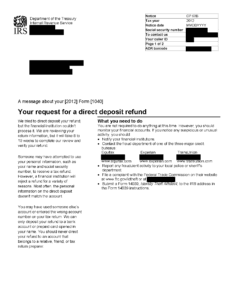
About 1.4 million CP53E notices have turned a standard refund problem into a front-office problem for tax teams. The notices are already raising concerns about errors and fraud, and the Taxpayer Advocate Service has urged taxpayers to verify their accounts directly on IRS.gov rather than trusting unsolicited calls, links or codes.
The CP53E is not a penalty notice. The Internal Revenue Service uses it when a refund cannot be delivered electronically because bank information is invalid, missing or rejected. That distinction matters for KPMG staff on the phones and in client meetings, because the first question many taxpayers ask is whether the letter is real, whether their refund is at risk and whether they need to act immediately.

For a firm like KPMG, the labor fallout starts with volume. Every confused client creates a chain of work: reassurance from the service partner or manager, a follow-up check in the client’s online account, and in some cases a scramble to separate a legitimate notice from a phishing attempt. The practical answer has to be consistent and calm. Clients should be told to confirm the notice through their IRS online account and to send any unusual correspondence through official channels, not by clicking something embedded in the letter.
The mechanics are specific. Taxpayers generally have 30 days from the notice date to update or add bank information in their online account, or choose an exception condition that allows a paper check. If they do nothing, the IRS generally sends a paper refund check after about six weeks. Updates to bank information typically show up in the online account within two to five business days. The IRS says CP53E is issued only once, so if a second direct deposit is rejected, there is no second chance to use the notice to update deposit details.
That is part of a larger shift away from paper refunds. Treasury and the IRS began phasing out paper refund checks on Sept. 30, 2025, as part of the move toward fully electronic payments. The CP53E notice also appears in a taxpayer’s online account notifications, and taxpayers who opted in to refund-status notifications may see it immediately. The notice includes an information-only toll-free line, 866-325-4066, but it does not transfer callers to a representative or accept deposit information. For tax practices, the message is simple: routine correspondence can still trigger a client-service fire drill, and the firms that handle it best will be the ones that turn speed into discipline instead of panic.
Know something we missed? Have a correction or additional information?
Submit a Tip