PCAOB keeps quality control overhaul on audit agenda
The PCAOB kept QC 1000 on a moving target, signaling more documentation, training and inspection pressure for KPMG audit teams before December 15.
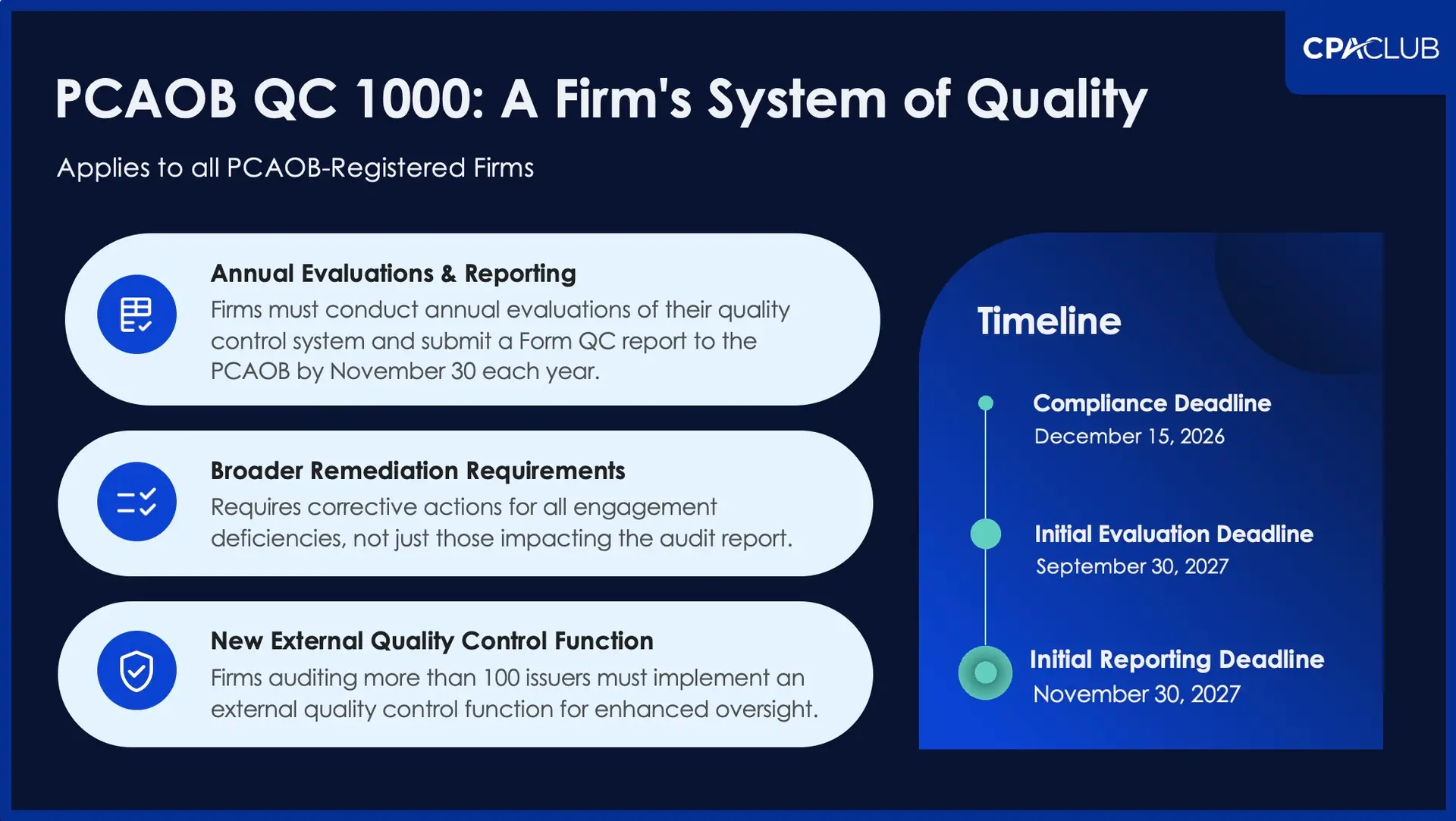
The PCAOB kept quality control at the center of its latest agenda update, and that matters for KPMG audit teams because QC 1000 is still moving toward a December 15 effective date. The board opened a public comment period on June 23 and left it open through August 7, keeping firms, including KPMG, inside an active rulemaking cycle while they are still trying to build out the controls that will be tested in practice.
The agenda update is not just a policy headline. It keeps targeted amendments to QC 1000 in play, along with related PCAOB forms and the QC reporting rule, which means audit leadership may still have to revise policies, testing routines, and reporting templates before the standard lands. QC 1000, approved by the SEC in 2024, is built as an integrated, risk-based system that requires firms to identify specific risks, design quality control responses, and keep monitoring the system through a feedback loop. For KPMG engagement teams, that points to more pressure on documentation discipline, clearer deficiency evaluations, and a tighter paper trail when partners sign off on judgments that can later come up in inspection.

The PCAOB said on June 9 that its proposed amendments are narrow and targeted, but even narrow changes can ripple through an audit practice that spans public company work, broker-dealer engagements, and multinational coordination. KPMG said in its own comment filing that firms need more time to pilot QC 1000 systems without early adoption, work through implementation problems, and refine policies before the standard becomes effective. The firm also said global network firms need consistent implementation across jurisdictions and that written guidance, FAQs, and practical examples would help interpret the rules consistently.
That is the practical burden hidden inside the rulemaking calendar. If the board keeps moving toward a more detailed, risk-based quality framework, KPMG teams will have to spend more time proving that the system works in real engagements, not just on slides or in policy manuals. That tends to mean more training for managers and partners, more attention to inspection readiness, and less room for informal workarounds when busy season starts to squeeze deadlines. The PCAOB said its agenda can still shift based on oversight findings, stakeholder input, and developments at the SEC and other standard setters, so the next few weeks before the August 7 comment deadline may shape how much more work lands on audit teams before QC 1000 takes effect.
This article was produced by Prism’s automated news system from verified source data, official records, and press releases, then run through automated quality and moderation checks before publishing. The system is built and supervised by the people who set the standards it runs under. Read our full AI policy.
Did this article answer your question?


.pdf%2F_jcr_content%2Frenditions%2Fcq5dam.thumbnail.319.319.png&w=1920&q=75)