PCAOB moves to modernize inspections, signaling new scrutiny for KPMG auditors
The PCAOB is putting inspections back at the center of audit pressure, with a June 15 deadline that could reshape how KPMG teams prepare, document, and defend their work.
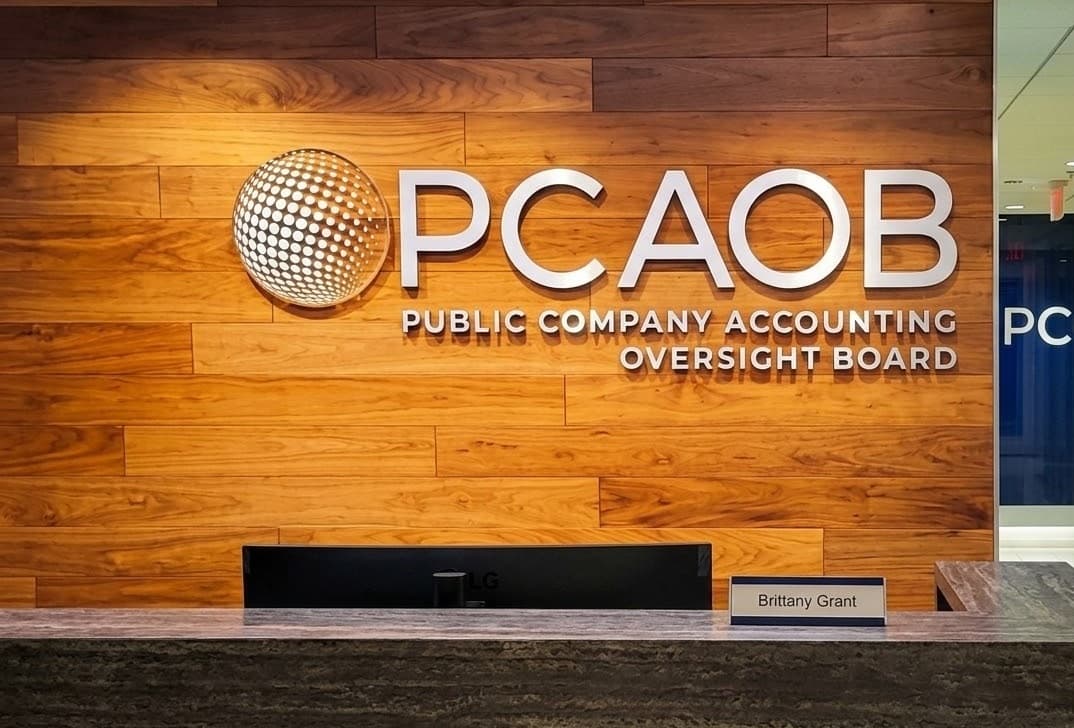
Audit quality becomes real when inspectors start asking for the workpapers, the judgments, and the evidence behind them. The Public Company Accounting Oversight Board is moving to modernize that process through a new Inspections Modernization Council, a step that could make scrutiny feel even more immediate for KPMG auditors and the people who coach them.
The board announced the council on May 28 from Washington, DC, and said applications are open through June 15. PCAOB leaders said they want outside participants with a stake in inspection activity, including investors, audit committee members, financial executives, academics, technologists, other regulators, and practitioners from public accounting firms of different sizes. PCAOB Chair Demetrios, also known as Jim, Logothetis said modernization could improve audit quality and deliver other benefits for investors and stakeholders.

For KPMG, the timing lands on top of an active inspection cycle that is already carrying operational consequences. The PCAOB released KPMG LLP’s 2024 inspection report on March 31, 2025, and KPMG said its response to the nonpublic portion was due in February 2026. The firm also noted earlier PCAOB releases for its 2023 and 2022 inspection reports, underscoring that the big-firm review cadence never really stops. Inside the firm, that means inspection readiness is not a once-a-year exercise. It feeds into engagement planning, review checkpoints, and the way teams explain their judgments before the board ever arrives.
The PCAOB’s broader numbers show why modernization matters. In its 2024 results, the board said the aggregate Part I.A deficiency rate across all inspected firms was expected to fall to 39% from 46% in 2023. The Big Four U.S. firms together were down to 20% from 26%, and the six U.S. global network firms fell to 26% from 34%. The board also posted the 2024 inspection reports for those six firms five months sooner than the previous year, a sign that it is already trying to make inspection information more timely.

That faster, tougher rhythm could change what gets attention inside KPMG engagement teams. A finding tied to weak support for a material estimate, thin documentation around a risk judgment, or a gap in how evidence was reviewed can ripple beyond one engagement. It can trigger remediation, new review steps, and more pressure on partners to show that lessons from inspections are being folded back into the methodology. KPMG says it is making multi-year investments in its audit approach, system of quality control, people, and technology to improve audit quality. The new council suggests those investments will be tested not in theory, but in the next round of inspections.
This article was produced by Prism’s automated news system from verified source data, official records, and press releases, then run through automated quality and moderation checks before publishing. The system is built and supervised by the people who set the standards it runs under. Read our full AI policy.
Did this article answer your question?


.pdf%2F_jcr_content%2Frenditions%2Fcq5dam.thumbnail.319.319.png&w=1920&q=75)