PCAOB Seeks Public Comment on 2026-2030 Strategic Priorities Affecting Audit Firms
PCAOB chairman Jim Logothetis opens his tenure by launching a five-year strategy consultation that could add 10-15 hours per finding to KPMG audit teams before Dec. 2026.
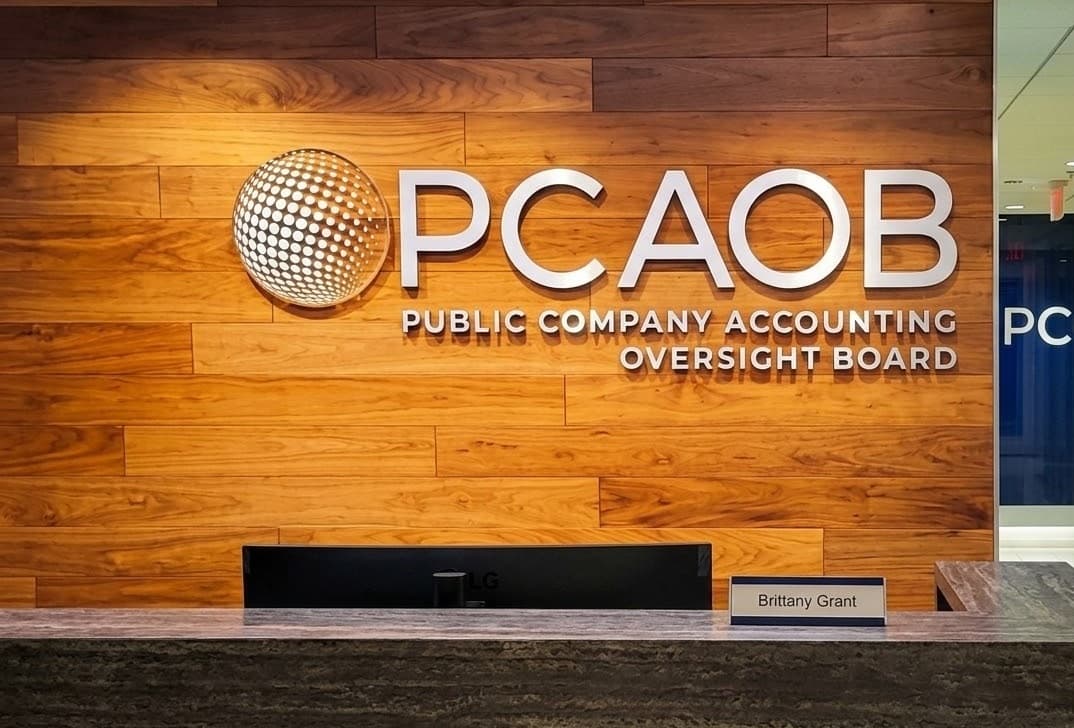
The PCAOB's newest chairman, Demetrios "Jim" Logothetis, a former Ernst & Young audit partner sworn in just weeks ago, used his first open board meeting on March 31 to launch PCAOB No. 2026-001: a public comment request that will set inspection priorities for every major audit firm through 2030. The comment window closes May 15. For KPMG audit professionals, the shape of those five-year priorities is not an administrative formality. Whichever of three plausible scenarios the Board locks in will restructure documentation requirements, hiring profiles, and promotion criteria well before the next busy season.
The scenario most consistent with Logothetis's public statements is a technology-first inspection framework. The chairman declared at the March 31 meeting that "the PCAOB must be forward-leaning, technologically adept, and prepared for the next generation of audit risks," and indicated that inspections should pivot to leverage automation and AI. If the 2026-2030 plan elevates technology-assisted audit procedures as a primary inspection target, KPMG teams using analytics engines, agentic AI tools, or algorithmic sampling will need to log model inputs and outputs, document human validation steps, and maintain evidence trails for every tool-assisted workpaper. Large audit firms piloting AI documentation protocols estimate this adds six to ten required steps per AI-assisted procedure, a number that compounds quickly on data-intensive revenue recognition or derivatives engagements. On the staffing side, expect accelerated hiring of IT audit specialists and data engineers, and expect technology competence to shift from a performance review footnote into a formal promotion criterion at the senior associate and manager levels.
If root-cause analysis becomes the Board's inspection backbone instead, the operational impact flows to a different part of the engagement calendar. Under this scenario, every repeat deficiency surfaced in an inspection report requires a formal root-cause memo, a remediation plan with measurable milestones, and validation evidence that the fix held before re-inspection. Practitioners benchmark full root-cause documentation at roughly 10 to 15 additional hours per significant finding per engagement, with partner sign-off required on each memo. KPMG's Risk and Quality teams would need to expand pre-issuance coaching cycles, and cross-practice QA reviews would multiply. For staff and managers on the promotion track, partners who cannot show documented remediation loops will face harder scrutiny during leadership evaluations that currently remain less formalized.

The third scenario is QC 1000. The PCAOB delayed the quality control standard's effective date by one year last summer, pushing it to December 15, 2026, and Logothetis has acknowledged stakeholder concerns that "certain requirements included in QC 1000 may be unnecessary." But if the five-year plan treats QC system design as the primary inspection lens, the infrastructure demands are firm-wide. Firms auditing more than 100 public companies annually must establish an external oversight function and submit an annual effectiveness report to the PCAOB. For KPMG, that means staffing an oversight body, formalizing the Board reporting process, and demonstrating that partner-level monitoring is documented and active. The inspection model shifts from engagement-by-engagement review to system validation, where individual audit files become evidence of a working quality system rather than the primary unit of evaluation.
The May 15 comment deadline is the most actionable near-term date. Practitioners with technical views on any of the three scenarios can contribute to PCAOB No. 2026-001 before the window closes. Audit managers should inventory technology use across current engagements now and verify that documentation protocols for AI-assisted procedures are enforced consistently. The five-year plan will be set regardless; the question is whether KPMG's operational readiness arrives before the first round of inspections under the new framework.
This article was produced by Prism’s automated news system from verified source data, official records, and press releases, then run through automated quality and moderation checks before publishing. The system is built and supervised by the people who set the standards it runs under. Read our full AI policy.
Did this article answer your question?


.pdf%2F_jcr_content%2Frenditions%2Fcq5dam.thumbnail.319.319.png&w=1920&q=75)