Lululemon faces earlier holiday inventory bets as tariff uncertainty rises
Retailers are moving holiday orders up by four to six weeks, and Lululemon’s tariff-sensitive sourcing makes that shift ripple into stores months early.

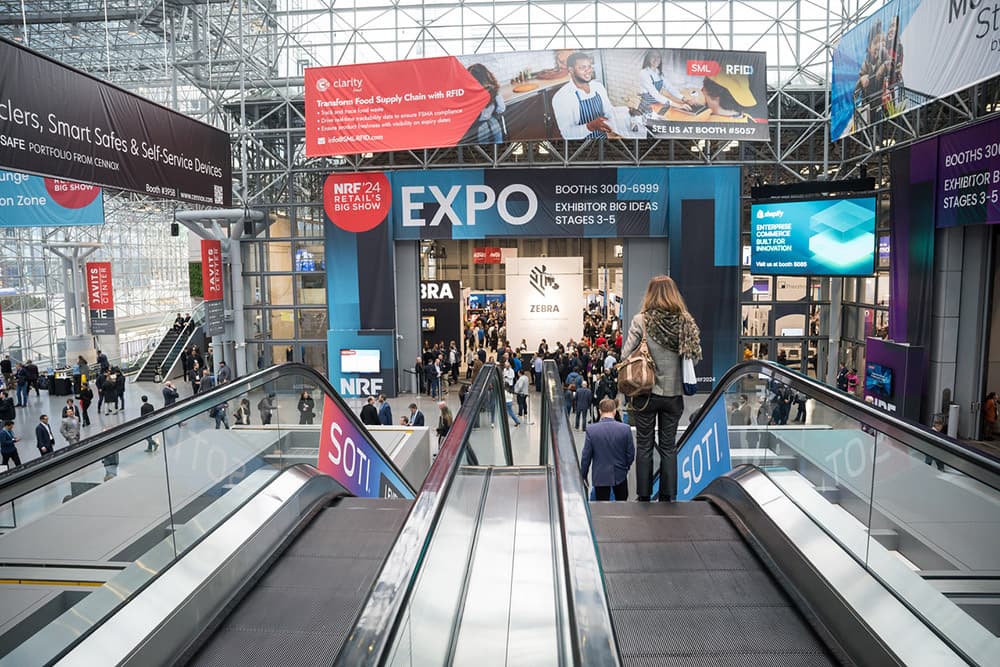
U.S. retailers have been bringing holiday orders forward by four to six weeks, a shift that has already pushed May and June shipping volumes ahead of the usual July-to-September peak. With the 10% tariff set to expire on July 24 and higher levies still possible, brands are racing to lock in inventory before the trade picture changes again.
For Lululemon, that timing lands directly on the people who will have to move the product later in the year. When the company frontloads orders, it has to commit earlier on how much inventory to buy, where to place it and how quickly it can respond if demand changes. That can tighten launch timing, increase pressure on visual merchandising and make sell-through discipline more important on the sales floor, where educators are expected to keep seasonal product moving while it is still fresh.
The brand is large enough for those decisions to travel quickly through its network. Lululemon finished fiscal 2025 with $11.1 billion in revenue, up 5%, and 44 net new company-operated stores, according to its 2025 Year in Review. It also said it had 39,000 employees, a workforce that continues to expand alongside the business. In July 2025, the company opened its first store in Italy, in Milan’s iconic shopping district, another sign that inventory planning now spans more markets than ever.
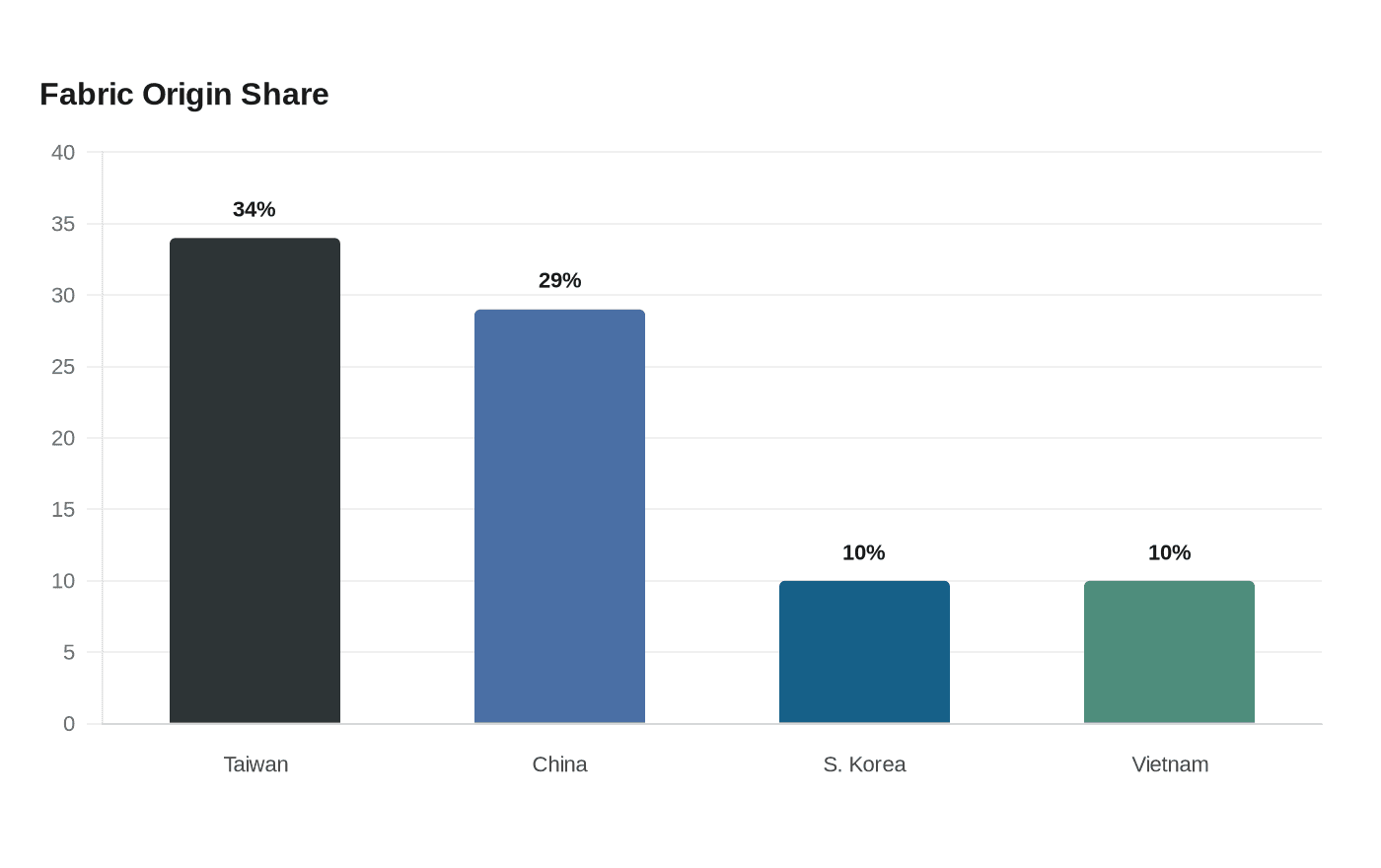
Its supply chain remains heavily tied to Asia. In its fiscal 2025 annual report, Lululemon said 34% of its fabrics originated from Taiwan, 29% from China Mainland, 10% from South Korea and 10% from Vietnam. The company has already warned investors that higher tariffs and the removal of the de minimis exemption were expected to reduce 2025 gross profit by about $240 million net of mitigation efforts. In March 2026, it forecast full-year sales of $11.0 billion to $11.15 billion and said it expected to offset almost all of the tariff impact.
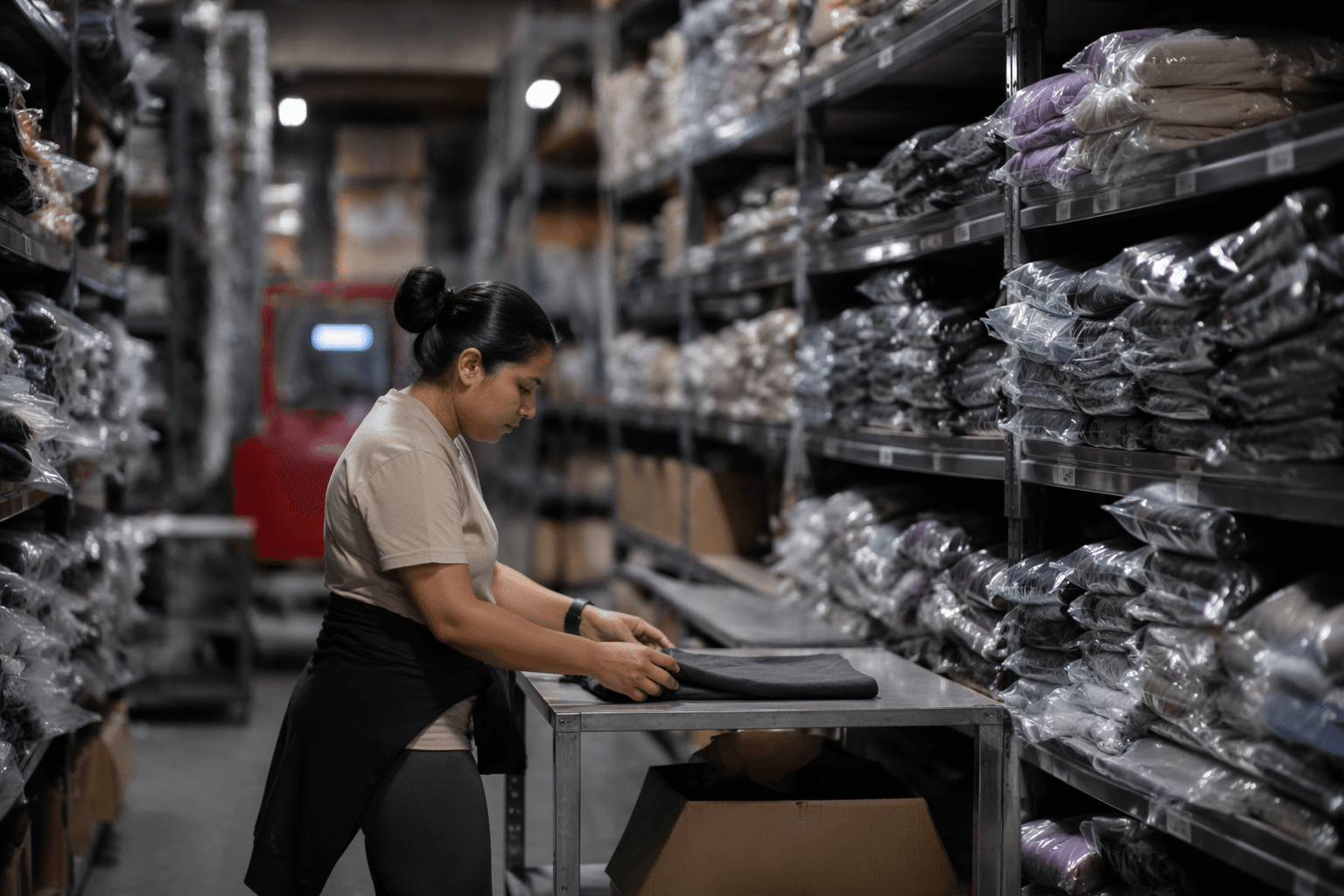
That backdrop matters for store teams because tariff planning is not just a finance issue. If more goods arrive earlier, distribution centers face a heavier load sooner, backrooms fill earlier and store leaders may need to schedule labor more tightly around launches and floor moves well before peak season starts. Educators feel that pressure in the cadence of newness, the size of the assortment and the expectation that product stories be sold with confidence from the start, not rescued later with markdowns.
The policy calendar leaves little room for hesitation. The U.S. Trade Representative proposed additional duties of 10% or 12.5% on imports from 60 economies on June 2, with a public hearing set for July 7. That means the next few weeks will help determine how much holiday inventory retailers, including Lululemon, can afford to pull forward and how much operational strain store teams will carry into the fall.
This article was produced by Prism’s automated news system from verified source data, official records, and press releases, then run through automated quality and moderation checks before publishing. The system is built and supervised by the people who set the standards it runs under. Read our full AI policy.
Did this article answer your question?