Lululemon faces younger shoppers drawn to social-native activewear brands
Younger shoppers are arriving with Set Active, 437 and Oner Active in mind, pushing lululemon teams to sell fit and fabric, not just brand cachet.
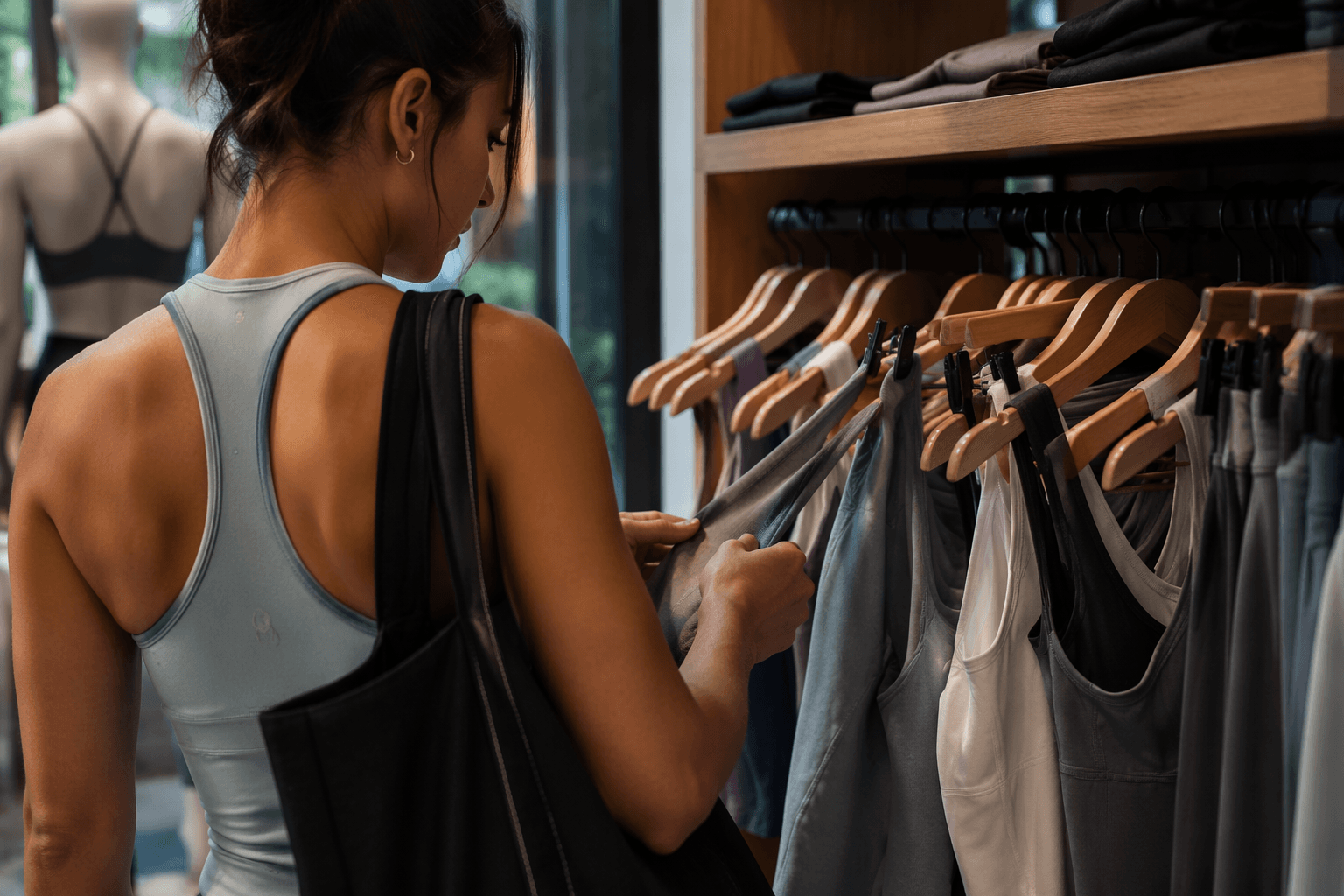
Younger activewear shoppers are arriving with Set Active, 437 and Oner Active already on their radar, a sign that the category is fragmenting around social-native labels built for Instagram, TikTok and product drops. The shift matters on lululemon floors because guests are no longer weighing the brand only against Nike or other legacy players; they are comparing it with faster-moving brands that sell a sharper point of view.
For educators, that changes the conversation at the fitting room and the register. The pitch has to go beyond the logo wall and into fabric, fit, durability and use case, especially when shoppers come in with a specific idea of what they want for pilates, Hyrox, tennis or everyday wear. In a more crowded market, the first signal of changing taste is often a guest asking about silhouette, compression, color and how fast a new drop will sell through, not whether a brand is broadly premium.
The newer labels have built their appeal around that dynamic. SET Active, founded in 2018 by Lindsey Carter, says it emphasizes behind-the-scenes transparency and community-building. 437, founded in 2017 by Hyla Nayeri and Adrien Bettio, says it is powered by a small, all-women team in Toronto. Oner Active, founded in 2020 by Krissy Cela, was created after Cela said she struggled to find flattering activewear that combined empowering colors with performance properties. Oner also sits next to EvolveYou, the fitness app Cela founded, showing how these brands are building audiences through an ecosystem, not just product alone.
lululemon still has the scale, but the numbers show a slower stretch. The company generated $10.6 billion in fiscal 2024 revenue, up 10% year over year, then reported $11.1 billion in fiscal 2025 revenue, up 5%. Fourth-quarter fiscal 2025 revenue rose 1% to $3.6 billion, while the company ended the period with 767 stores and 18 net new company-operated locations. At the same time, lululemon has been managing a leadership handoff: it announced a CEO succession plan on Dec. 11, 2025, named Meghan Frank and André Maestrini interim co-CEOs on March 17, 2026, and says Heidi O'Neill is scheduled to become CEO on Sept. 8, 2026.
The international picture is still expanding, too. lululemon said China Mainland revenue rose 41.3% to $1.36 billion in fiscal 2024, even as the U.S. market faces more noise from smaller brands that can create scarcity, build community online and move culture before they have national scale. On the floor, that competition shows up early: guests arrive with screenshots, color requests and brand comparisons already in hand, and the best educators are the ones who can answer with product knowledge that feels as specific as the brand the shopper came to compare.
This article was produced by Prism’s automated news system from verified source data, official records, and press releases, then run through automated quality and moderation checks before publishing. The system is built and supervised by the people who set the standards it runs under. Read our full AI policy.
Did this article answer your question?