Lululemon shares sink after deeper guidance cut and weak turnaround outlook
Lululemon cut its 2026 revenue and profit outlook, then watched shares sink to an over seven-year low as U.S. sales kept lagging.

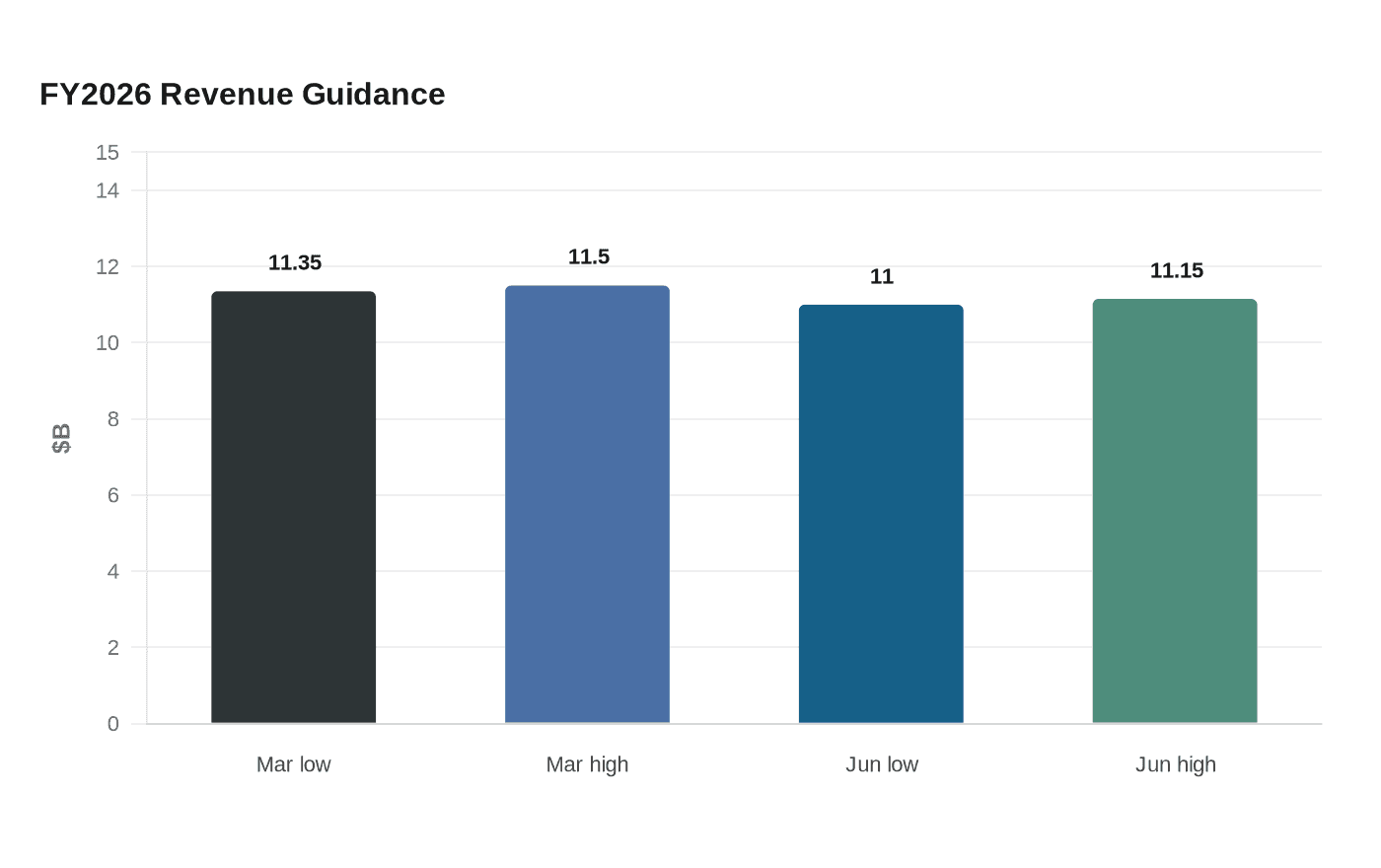
Lululemon cut its fiscal 2026 outlook on June 4, and the market punished the stock immediately. The company now expects revenue of $11.0 billion to $11.15 billion and earnings per share of $10.95 to $11.15, down from its earlier targets, a signal that usually brings tighter budget scrutiny, sharper sales goals and less tolerance for weak product launches on the retail floor.
The selloff kept building. Shares fell 11% in extended trading after the forecast cut, then slipped about 8% the next day and touched $109.36, an over seven-year low. The stock has lost nearly two-thirds of its value over the past 12 months, a brutal backdrop for a brand still trying to prove its turnaround can hold in the United States.
For educators, key leaders and assistant store managers, the pressure point is not abstract. Interim co-CEO Meghan Frank said negative commentary across media and social channels hurt traffic and top-line performance, and she said not all product launches met expectations. That usually translates inside a retail chain into harder demands on conversion, cleaner execution on launch weeks and more attention on which product stories are actually moving inventory.
The June reset was more severe than the one Lululemon had already laid out in March. At that point, the company was still projecting fiscal 2026 sales of $11.35 billion to $11.50 billion and EPS of $12.10 to $12.30, while warning that tariffs and higher expenses were weighing on results. It also said second-quarter gross margin would fall by about 410 basis points, citing tariff costs and investments.
The split in the business is now plain. Lululemon posted first-quarter revenue of $2.5 billion, up 4%, with diluted EPS of $1.69, but U.S. revenue fell 4% in constant dollars. Comparable sales in the Americas dropped 5% for a fifth straight quarter of declines, while China remained a bright spot with revenue up 23% in constant dollars.
The leadership handoff adds another layer of uncertainty. Heidi O’Neill is scheduled to become CEO and join the board on September 8, after Lululemon settled its proxy fight with founder Chip Wilson on May 27. The deal gave Wilson two board seats and required him to stay quiet for 18 months. For employees, the near-term signal is clear: the company is under pressure to sell through more cleanly, protect margin and defend traffic while the U.S. business works to stabilize.
This article was produced by Prism’s automated news system from verified source data, official records, and press releases, then run through automated quality and moderation checks before publishing. The system is built and supervised by the people who set the standards it runs under. Read our full AI policy.
Did this article answer your question?