Lululemon's global expansion makes cross-border hiring a commercial priority
Lululemon’s next growth edge may come from people who can translate the brand across borders, not just across channels. That is now a store-floor issue as much as a boardroom one.
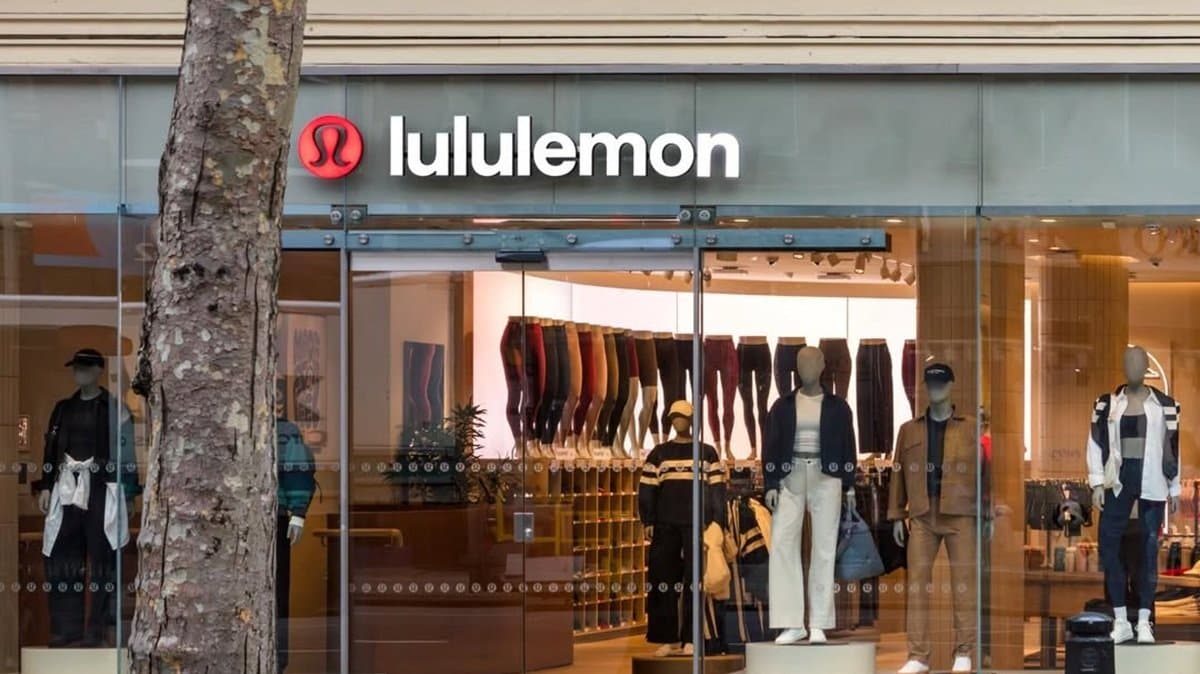
Lululemon’s 100th EMEA store is set to open in Warsaw on March 13 with Arion Retail Group. A June 25 panel in Paris framed global talent as a commercial imperative, and lululemon is treating it that way too. The international buildout is shaping who gets hired, how stores are run, and which leaders can carry the brand into markets where guest expectations, service norms, and operating rhythms differ from North America.
Global hiring is now a growth issue
Product innovation, guest experience, and market expansion are the pillars driving the business today and into the future. Lululemon is not just opening more doors, it is trying to keep the brand coherent while localizing it market by market. In EMEA alone, the brand spans 19 markets, and it is present in more than 30 markets globally.
For store leaders, that means hiring can’t be reduced to filling headcount. A manager in Warsaw, Milan, Athens, or Mexico needs different instincts than a manager in a mature North American district, because the mix of community habits, styling preferences, and shopping behavior changes from city to city. In 2024, lululemon made strategic shifts across the enterprise to better align product design, merchandising, marketing, and channel earlier in the go-to-market process.
Scale is changing what leadership looks like
Lululemon surpassed $10 billion in annual revenue for the first time in 2024, more than doubled total revenue over the previous five years, expanded its fleet of company-operated stores by nearly 50%, and employed 39,000 people around the world. In fiscal 2025, revenue climbed to $11.1 billion, international net revenue rose 22%, and that growth offset a 1% decline in the Americas.
Educators and assistant store managers are not just selling product, they are absorbing the pressure that comes with launch cadence, tighter execution, and more integrated campaigns and activations. As growth runs through both stores and digital, local teams need leaders who can keep service standards high while responding to the reality that inventory, guest expectations, and community events do not look the same in every market.
The hires that matter most as lululemon scales beyond North America
Store leaders with cultural fluency
The most valuable international hires are often the ones closest to the guest. Lululemon’s move into six new markets in 2026, including Greece, Austria, Poland, Hungary, Romania, and India, means local store leaders have to understand not just retail mechanics but also cultural nuance, language, and the way a brand fits into everyday life. Lululemon is relying on a blend of company-operated and franchise-operated models, which raises the bar for leaders who can maintain consistency without flattening local difference.
Merchandising and product leaders who can translate feedback
In 2024, lululemon pulled product design, merchandising, marketing, and channel closer together earlier in the go-to-market process. That makes internationally minded merchants and brand operators critical because they can carry what guests are actually buying, asking for, and returning to the teams that shape product and messaging.
Commercial leaders who can manage digital and physical growth together
The Mexico launch shows how the company now thinks about market entry as both a digital and a physical exercise. In April 2026, lululemon launched e-commerce in Mexico and planned to expand its store footprint there in fiscal 2026, which means the company needs leaders who can connect online demand, inventory planning, and store rollout in one market. It favors people who have worked across borders, channels, and business models.
Why the leadership transition matters
Heidi O’Neill will become chief executive officer on September 8, 2026, after a comprehensive search. André Maestrini, who joined in 2021 as executive vice president of international, is currently interim co-CEO and president and chief commercial officer. Meghan Frank is also serving as interim co-CEO and chief financial officer, and Marti Morfitt is executive chair.
The transition comes as lululemon expands in EMEA, launches in Mexico, and moves into six new markets in 2026.
This article was produced by Prism’s automated news system from verified source data, official records, and press releases, then run through automated quality and moderation checks before publishing. The system is built and supervised by the people who set the standards it runs under. Read our full AI policy.
Did this article answer your question?