McDonald’s adds protein badges to menu, targeting balanced meal demand
McDonald’s is now tagging 17 menu items with protein badges, a sign customers want meals that feel filling without leaving the value lane.

McDonald’s began putting new protein callouts on kiosks and in its app on April 21, marking 17 menu items across breakfast, lunch and dinner as the chain leans into a customer shift that is as much about habit as health. The company says more than 30 of its items have 15 grams or more of protein, and that 64% of customers are looking to enjoy the food they love in a balanced way.
For crew members, that is not just a marketing tweak. It changes the questions coming over the counter. A customer who used to ask only about price or calories may now ask which sandwich will actually hold them over until lunch, or whether a snack can stand in for a meal. That means managers and shift leads need workers who can talk confidently about menu basics, protein counts and where those items fit in the daypart. McDonald’s is signaling that the answer can no longer be only burgers and fries, but also which items feel more filling and more tailored to a busy routine.
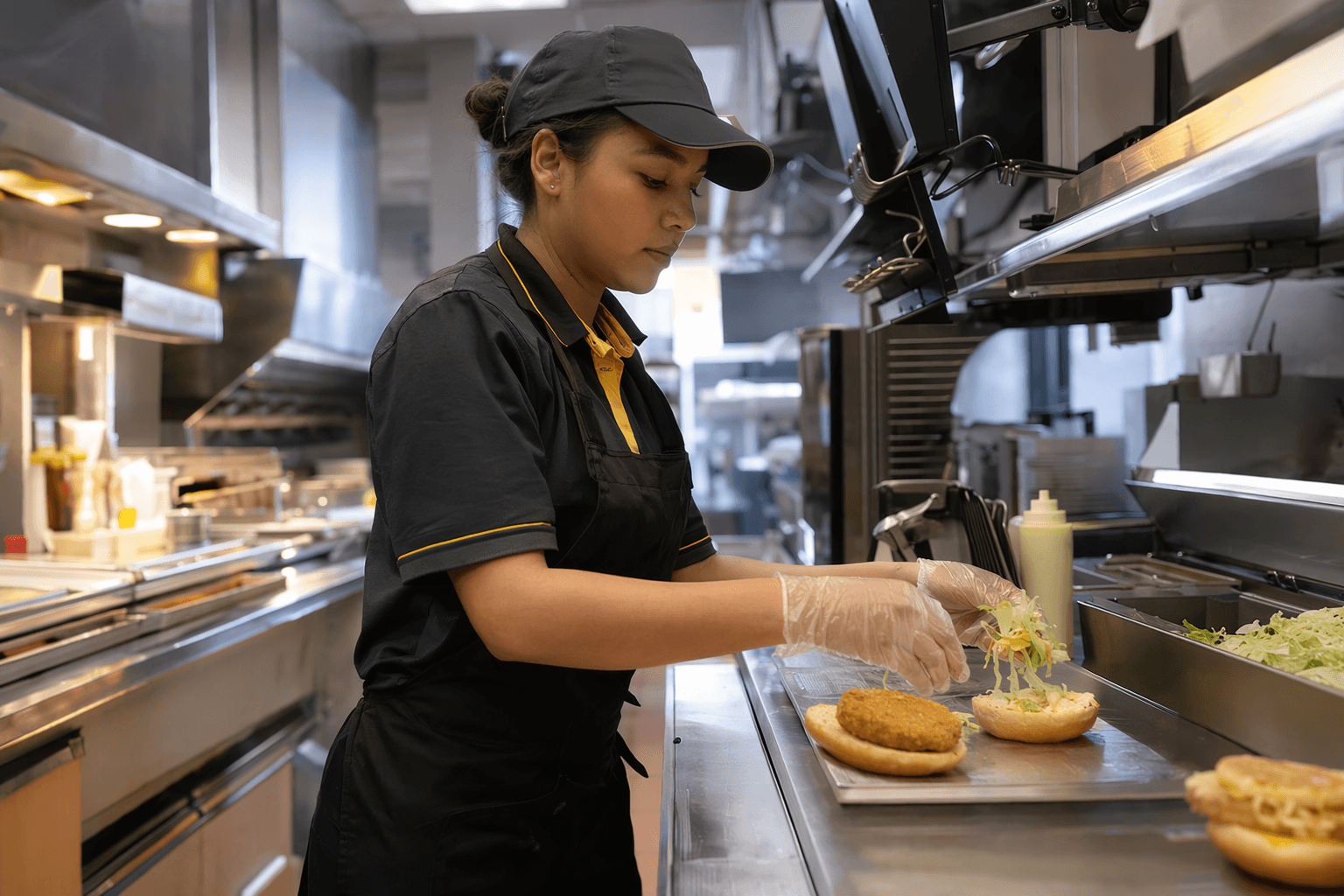
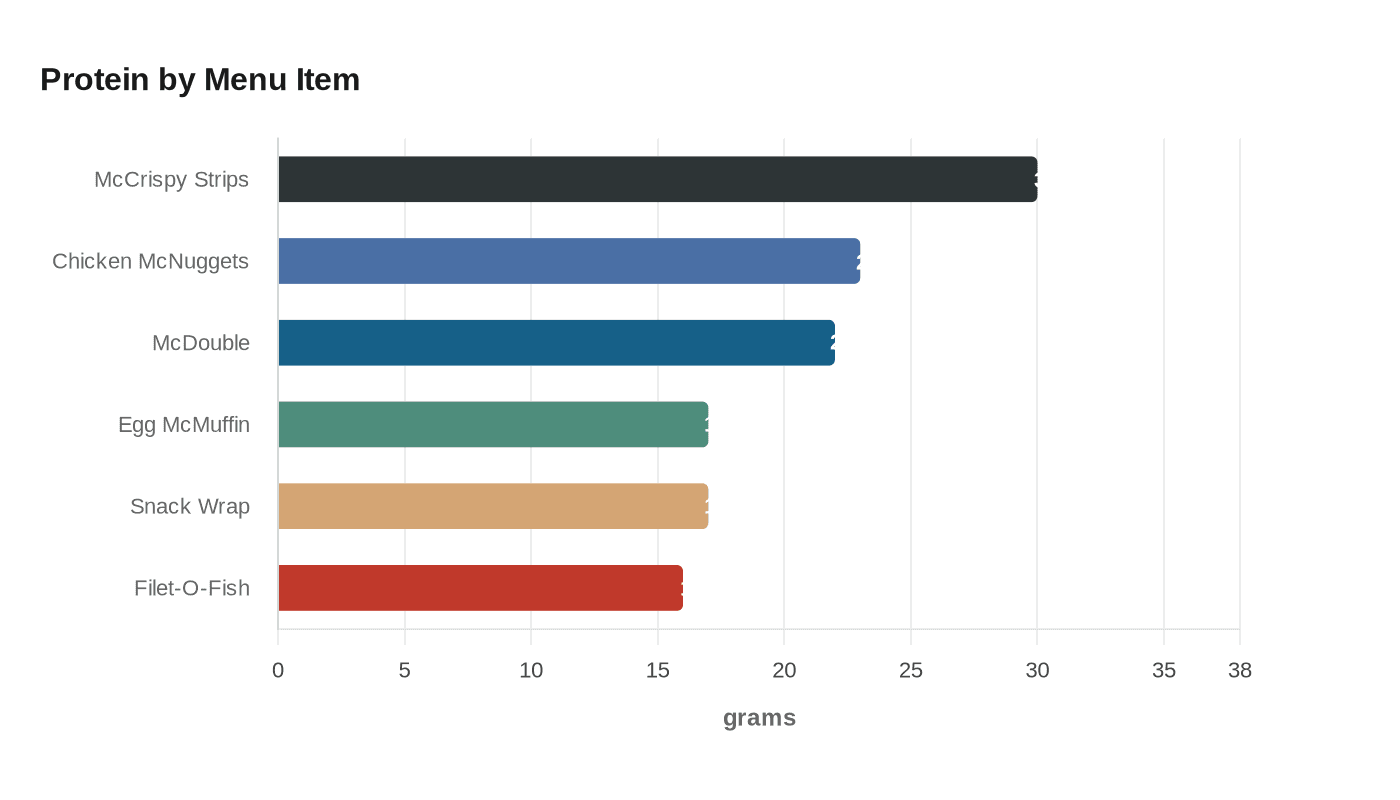
The badges also show how McDonald’s is trying to make protein part of the regular menu conversation rather than a separate wellness lane. The Egg McMuffin carries 17 grams of protein, the 10-piece Chicken McNuggets have 23 grams, McCrispy Strips have 30 grams, the Snack Wrap has 17 grams, the McDouble has 22 grams and the Filet-O-Fish has 16 grams. That spread tells restaurant teams where the brand wants to push the message: protein is available from morning through dinner, not just in a breakfast combo or a premium entrée.
Gina Hardy, vice president of U.S. marketing and menu strategy, said customers want food that fits their lives without giving up taste. That framing matters for the people building orders at the front counter and making them in the kitchen, because it puts pressure on speed, accuracy and consistency at the same time. If more guests start choosing protein-forward items, the restaurant has to keep those products stocked, prepared correctly and easy to explain, while still moving the rest of the menu.
The protein push came alongside a broader value move. On the same day, McDonald’s expanded its McValue menu, adding items priced under $3 and a $4 breakfast meal deal at participating U.S. restaurants. The company has said its nutrition and marketing strategy is overseen globally by its chief sustainability and social impact officer and global chief marketing officer, with input from menu, brand and supply chain teams. It has also pointed to progress on Global Happy Meal Goals across 20 major markets from 2018 through 2022, underscoring that the chain is trying to sell affordability, balance and transparency in the same order. That is the real signal for workers: the menu is being redesigned around how customers actually choose, not just what McDonald’s has historically sold.
This article was produced by Prism’s automated news system from verified source data, official records, and press releases, then run through automated quality and moderation checks before publishing. The system is built and supervised by the people who set the standards it runs under. Read our full AI policy.
Did this article answer your question?