McDonald’s Azusa franchise settles teen worker harassment lawsuit
A former teen worker said three male supervisors harassed him until he quit, exposing how weak shift-level oversight can put minors at risk in franchise restaurants.
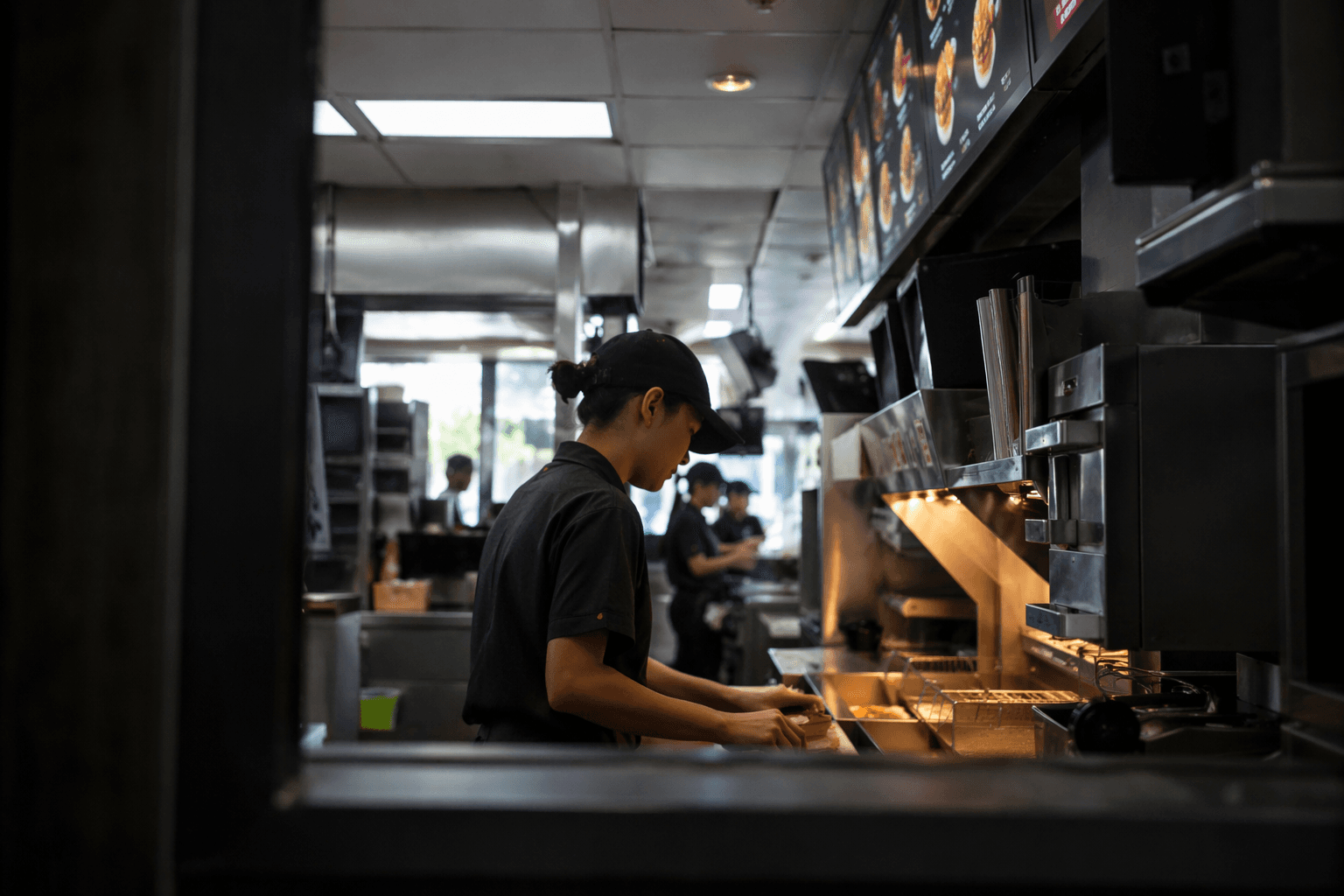
A McDonald’s franchise in Azusa has settled a lawsuit brought by a former teen worker who said three male supervisors sexually harassed him until he felt forced to quit. The case lands as a supervision failure as much as a legal one: in restaurants built on young crews and fast turnarounds, one bad shift can become the reason a first job ends early.
The allegations point to breakdowns that matter far beyond one store. If harassment can continue long enough for a teenager to leave, it usually means the restaurant’s reporting channels were not trusted, managers did not separate the people involved quickly enough, or franchise training never made it down to the floor. In a McDonald’s setting, where teens often work side by side with older crew and supervisors, the difference between a safe shift and a damaging one can come down to whether the person running the line takes complaints seriously the first time.

The larger pattern has shown up before in McDonald’s franchise cases. In 2023, the U.S. Equal Employment Opportunity Commission said AMTCR, Inc. and related entities would pay $1,997,500 after harassment that had persisted since at least 2017 and was mainly directed at young teenage employees. The agency said the case covered about 18 McDonald’s restaurants in Nevada, Arizona and California, and that the settlement required a third-party EEO monitor, a centralized complaint-tracking system, climate surveys, policy updates and training.
The EEOC has also moved against another franchisee. On Jan. 30, 2026, Arch Fellow North, LLC agreed to pay $80,000 to settle a sexual-harassment and constructive-discharge lawsuit involving a teenage worker. The agency said an adult male supervisor harassed the teen for about a month in November 2021, and that the company failed to properly investigate and allowed the supervisor to keep overseeing the victim and other young workers. The consent decree called for mandatory training, multiple complaint channels, employee notice, reporting obligations and stronger policies.
For McDonald’s operators, the Azusa case is a reminder that franchise risk does not stay local. McDonald’s says California has nearly 1,300 restaurants, more than 230 owner/operators and more than 70,000 crew members and managers, including more than 300 restaurants in Los Angeles County. That scale means one store’s failure can echo across the brand, especially in a state that requires sexual-harassment prevention training for employers with five or more workers.
The practical lesson is blunt. Young crew members need a clear place to report misconduct, managers need to act immediately when a complaint involves a minor, and franchise systems need to treat repeated harassment as a safety issue, not a personality conflict. A restaurant that cannot keep teenagers safe from supervisors will struggle to keep them employed at all.
This article was produced by Prism’s automated news system from verified source data, official records, and press releases, then run through automated quality and moderation checks before publishing. The system is built and supervised by the people who set the standards it runs under. Read our full AI policy.
Know something we missed? Have a correction or additional information?
Submit a Tip