McDonald’s bets on chicken, restaurant upgrades to drive growth
McDonald’s is pairing chicken, value and restaurant upgrades to chase traffic, and that likely means tighter speed, training and hospitality pressure on crews.
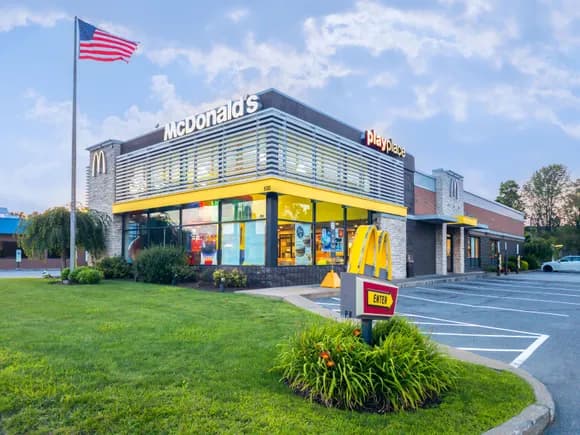
McDonald’s is trying to buy growth the old-fashioned way: by making the restaurant easier to choose, easier to enter, and harder to leave without ordering. The company’s current playbook leans on chicken, value offers and store upgrades at the same time, which sounds polished in investor language but lands on the floor as a question of staffing, prep speed and how many moving parts a shift can absorb.
Value is now the traffic engine
The clearest signal is value. McDonald’s launched its nationwide McValue platform in U.S. restaurants on January 7, 2025, giving customers an everyday savings menu built around all-day deals. In the company’s full-year 2025 results, Chairman and CEO Chris Kempczinski said, “McDonald's value leadership is working,” and said listening to customers and taking action improved traffic and strengthened value and affordability scores. McDonald’s also said global systemwide sales rose 8% in that quarter and full-year period, while U.S. comparable sales grew 3.9% in the first quarter of 2026, the fourth consecutive quarter of U.S. comparable-sales growth.
That matters for crews because value traffic is not abstract. It usually means more customers watching prices, more attention to speed at the point of sale, and more pressure on the line when a deal item suddenly becomes the item everyone wants. The company has tied that growth to menu innovation and value efforts, including the Extra Value Menu, which tells workers the traffic fight is being won item by item, not just through broad marketing.
McDonald’s own annual report also makes plain why value remains so central. Persistent inflation, tighter labor markets and economic uncertainty have continued to pressure lower-income households, which means the chain is competing for customers who are still deciding every visit against their wallets. In a Fight for $15 era, that reality cuts both ways: value can fill the restaurant, but it also raises the stakes for whether staffing, pay and training are strong enough to handle the extra volume.
Chicken is no longer a side bet
Chicken has moved from supporting role to growth pillar. McDonald’s had already been talking in late 2024 about adding chicken strips as part of a dual focus on growing chicken market share and reviving traffic, and that strategy has only become more visible since then. By August 2025, the company was pointing to value offers, limited-time offers and new menu items as part of the combination that helped end a same-store-sales slump in the United States.
That mix changes the work on the line. A chicken-heavy push can alter prep rhythms, put more strain on fry and sandwich stations, and increase the need for cross-training so one shift does not collapse when the rush tilts toward a particular item. If snack wraps return alongside chicken strips, as executives have said, the menu may become more appealing to customers, but it also becomes more operationally demanding for the people building each order.
For managers, the real issue is not simply whether chicken sells. It is whether the restaurant can absorb the extra complexity without slowing service times or burning out the crew. More menu variety can help average ticket and traffic, but only if station design, product flow and staffing levels are aligned enough to keep the kitchen from turning into a bottleneck every time a promotion hits.
Restaurant upgrades are a labor story, not just a design story
McDonald’s is also signaling that growth will come from the restaurant itself, not only the menu board. The company has described its next phase around better food quality, customer experience, restaurant interiors and hospitality, which is a corporate way of saying it wants stores that feel better to visit and easier to run. In June 2026, the company’s NEXT framework said it is meant to bring in more customers more often and improve unit economics, tying traffic directly to store-level productivity.
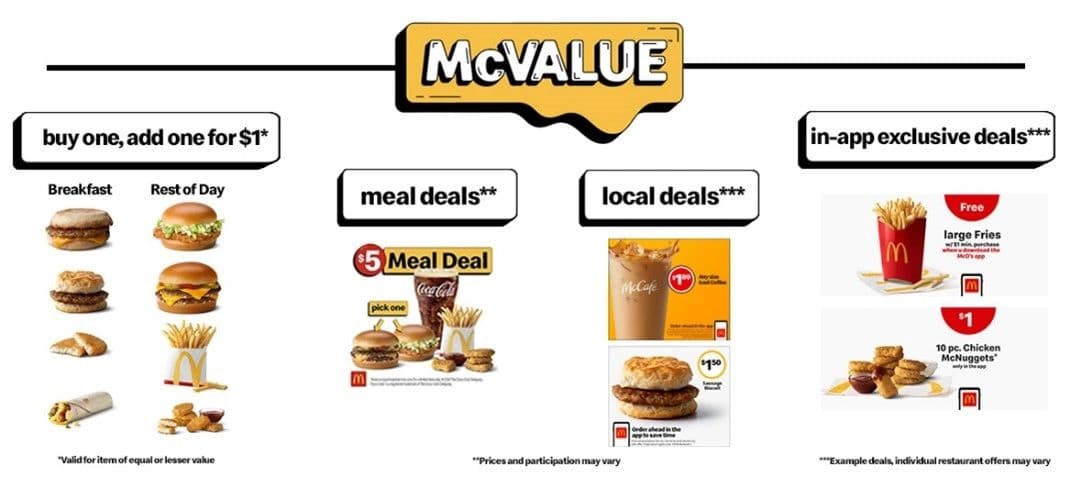
That connection matters because restaurant improvements can cut two ways for employees. In the best case, a better layout, clearer flow and smarter station design make a shift less chaotic and reduce the number of small failures that stack up during a lunch rush. In the worse case, “improvement” becomes a higher standard without enough labor behind it, which means more pressure on hospitality, lobby upkeep, visual presentation and the pace of the build.
The company’s language about hospitality is especially telling. A better guest experience is not created by a press release, it is created by the crew, the menu structure, the speed of the build and how well the store is set up to handle demand. If McDonald’s is serious about growing through restaurant upgrades, the question for workers is whether those upgrades simplify the shift or just raise the bar on what the same shift has to deliver.
What this means for the floor
The strategy points to a familiar tradeoff in fast food: higher traffic can support stronger sales, but only if the operation can keep up. For franchisees, McDonald’s value push may protect visits in a price-sensitive market, yet it can also squeeze margins if the store has to do more work for a thinner ticket. For crews, the danger is that every new value platform, chicken launch or interior refresh arrives with the same promise of growth and the same expectation of speed.
That is why the most important metric in this story is not just comp sales. It is whether a shift feels more manageable after the upgrades or simply more crowded. McDonald’s is betting that the next wave of growth will come from making restaurants better to visit and easier to choose, but for the people who work under the arches, the real test is simpler: does the new strategy make the job smoother, or just busier?
This article was produced by Prism’s automated news system from verified source data, official records, and press releases, then run through automated quality and moderation checks before publishing. The system is built and supervised by the people who set the standards it runs under. Read our full AI policy.
Know something we missed? Have a correction or additional information?
Submit a Tip