McDonald's deals page shows app offers driving restaurant traffic
McValue is doing more than shaving a few dollars off meals. It is steering app traffic into breakfast, lunch and late-night rushes that crews feel at the counter and drive-thru.
McValue is a traffic machine, not just a discount page
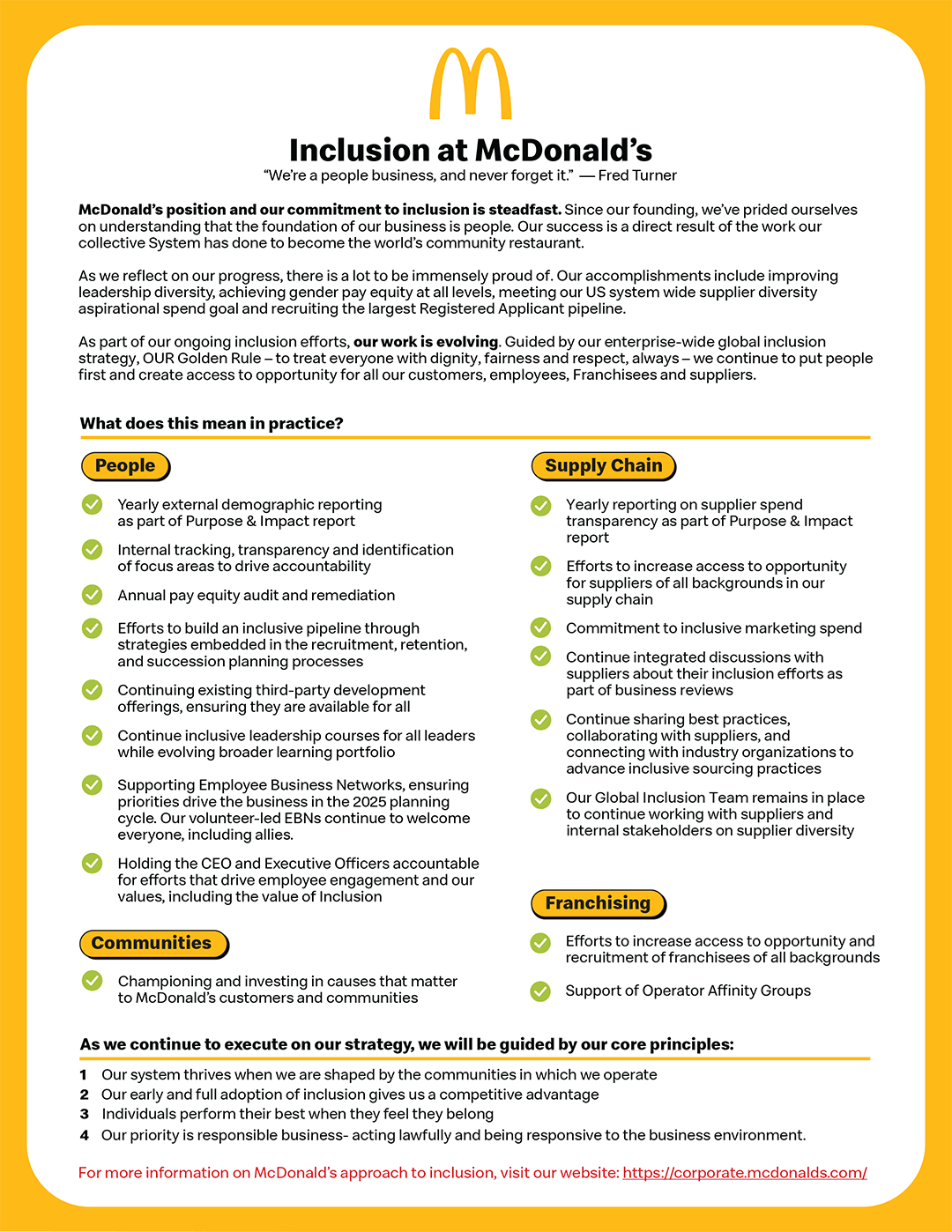
The cheapest menu boards at McDonald’s are now traffic boards. McValue, the company’s nationwide U.S. value platform, is built to pull customers into the app, push them toward offers that change by location, and keep them coming back for more. For crews, that means the deals page is not a marketing afterthought, it is a live indicator of when the restaurant is about to get busier, messier, and harder to keep on pace.
McDonald’s launched the platform nationwide on January 7, 2025, and framed it as the company’s first unified U.S. value message in nearly six years. The mix is straightforward on paper: the $5 Meal Deal, exclusive in-app offers, local food and drink deals, and a Buy One, Add One for $1 offer. In practice, those offers change customer behavior in ways every shift can feel, from breakfast rushes to late-night drive-thru pressure.
How the deals page shapes the rush
The deals page is useful because it tells customers where the value lives, but it is even more useful for managers because it signals what kind of demand to expect. A strong app offer can create a predictable spike at breakfast, lunch, or late night, and those spikes affect staffing, order accuracy, lobby pace, and the line at the speaker box. When a deal is especially visible, guests arrive already expecting speed, which raises the chance of frustration if the line slows or an item is out of stock.
McDonald’s U.S. deals page now reflects that structure with McValue meal deals, under-$3 breakfast and lunch items, and a note that prices and participation may vary. It also excludes McDelivery, which matters because the guest in the app may assume an offer applies everywhere when it does not. That is where confusion starts at the counter: one customer is looking at a deal on a phone, another is comparing prices at the register, and a third is trying to use the same promotion through delivery, where it does not count.
App-only offers change the line
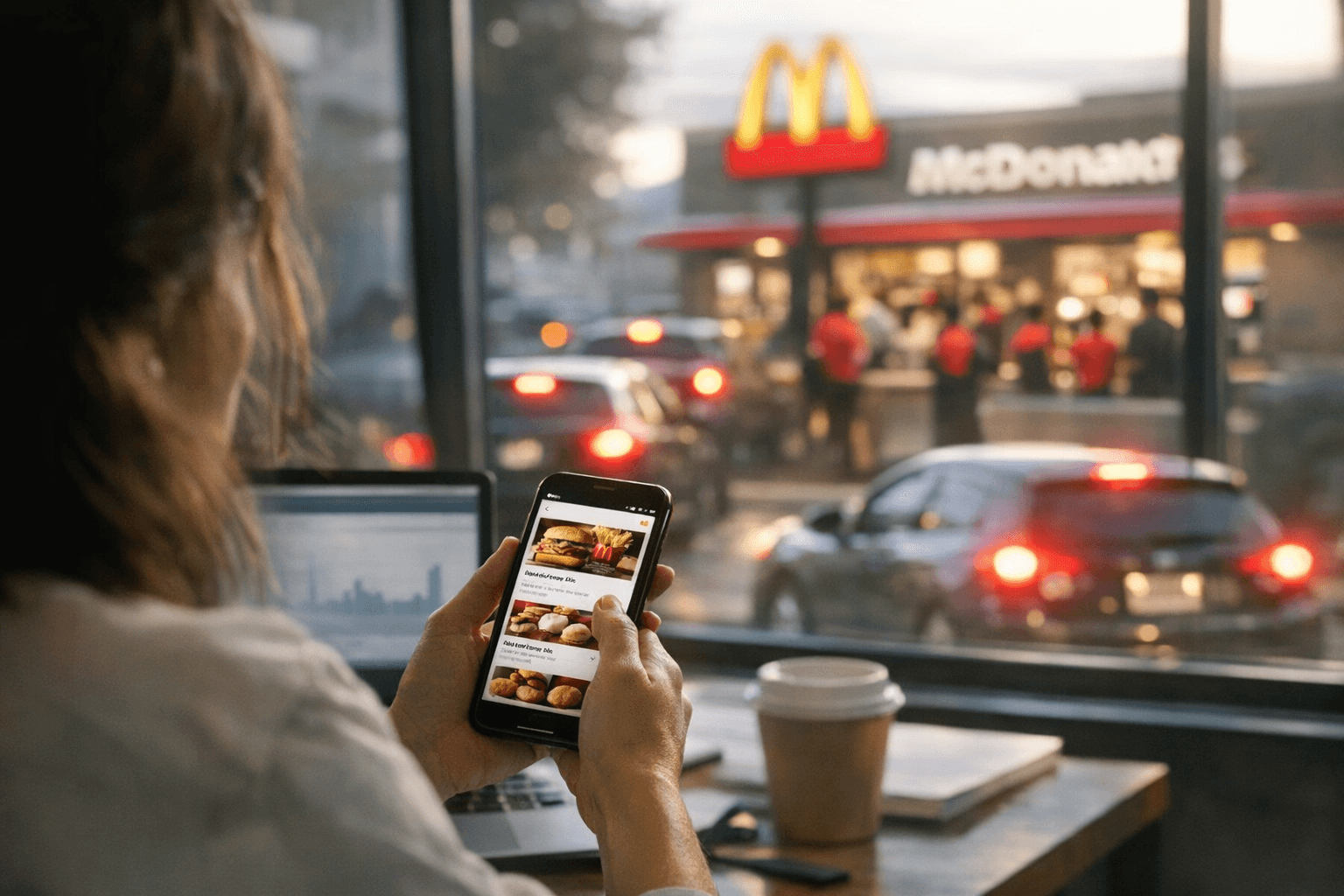
McDonald’s has been clear that the goal is to get customers ordering in the app, earning points, and returning for more offers. The company’s digital strategy links mobile ordering, payments, delivery, rewards, and deals into one loop, and that loop creates a specific kind of pressure in the restaurant. Crew members are often the ones explaining whether an offer is app-only, whether it is available at that location, and whether the guest can stack it with something else.
That is why the small print matters. If a promotion varies by restaurant, or if delivery is excluded, the front counter becomes the place where the promise of cheap food collides with the reality of local participation rules. The smoother the crew can answer those questions, the less time gets burned during rushes on refund conversations, order corrections, and re-rings.
The real work happens at breakfast and lunch
McValue is not a single coupon page. It is a value system designed to move volume into specific dayparts and channels, and that shows up most sharply in breakfast and lunch. Under-$3 items can bring in price-sensitive customers who might otherwise skip a visit, while the $5 Meal Deal creates a straightforward trade: a lower ticket for higher traffic.
The challenge for operators is that lower-priced traffic is still traffic. More guests means more fries dropped, more drinks made, more bag checks, and more chances for an order to go off script. In a busy store, a value-heavy wave can compress the whole line, especially if customers are adding app offers, asking about substitutions, or trying to understand which promotions apply to which menu items.
Why franchisees care as much as crew do
For franchise employees and operators, the value strategy is not just about guests getting a better deal. It is also about margins, because local owners have to balance the promise of value with labor costs, food costs, and the operational strain of a busy store. A deal can help fill a slow period, but it can also flood a dining room or drive-thru if the offer lands too well.
That tension sits at the center of McDonald’s value model. The brand has long been associated with affordable food, but the company now uses app-based offers to steer where and when that value shows up. For workers, that means the economics of the deal are not abstract. They become visible as extra tickets, tighter timing, and more pressure to keep service moving without letting accuracy slip.
John Cena, partner promotions, and the size of the push
McDonald’s backed the launch with John Cena as a McValue ambassador, a sign that the company wanted the rollout to feel big enough to cut through a crowded value market. It also said the launch would include more than $3 million in promotional offers from 16 partner brands during the first weeks of 2025. That kind of promotion does more than add noise around the brand. It can pull attention, and traffic, toward the app and keep the value message in front of people who might not otherwise open it.
The company also built in a few attention-grabbing offers that were easy to remember and easy to share: free medium fries with a $1 purchase every Friday in 2025, and a free McCrispy chicken sandwich for new app users. Those are the kinds of offers that can create sudden spikes, because they are simple enough for customers to repeat and compelling enough to bring people through the door even when they were not planning to stop.
Loyalty is now part of the operating model
The McValue page sits on top of a much larger loyalty machine. McDonald’s launched MyMcDonald’s Rewards nationwide in 2021 as its first nationwide loyalty program, and the numbers show how quickly that strategy expanded. In full-year 2024, the company said systemwide sales to loyalty members were about $30 billion across 60 markets, with over 175 million 90-day active loyalty users at year-end.
By full-year 2025, McDonald’s said loyalty sales had grown to nearly $37 billion across 70 loyalty markets, with nearly 210 million 90-day active users at year-end. That is a huge customer base to route through offers, and it explains why the deals page matters so much operationally. Once customers are trained to look for points and app rewards, promotions stop being occasional events and start becoming part of the daily rhythm of the restaurant.
What the traffic story really means on the floor
McDonald’s says its value leadership improved traffic and strengthened value-and-affordability scores in 2025, and that is the key point for crews: the deals page is now one of the brand’s main traffic engines. It is not just telling customers where the savings are. It is directing when they arrive, what they expect to pay, and how much friction the restaurant will need to absorb to fulfill the promise.
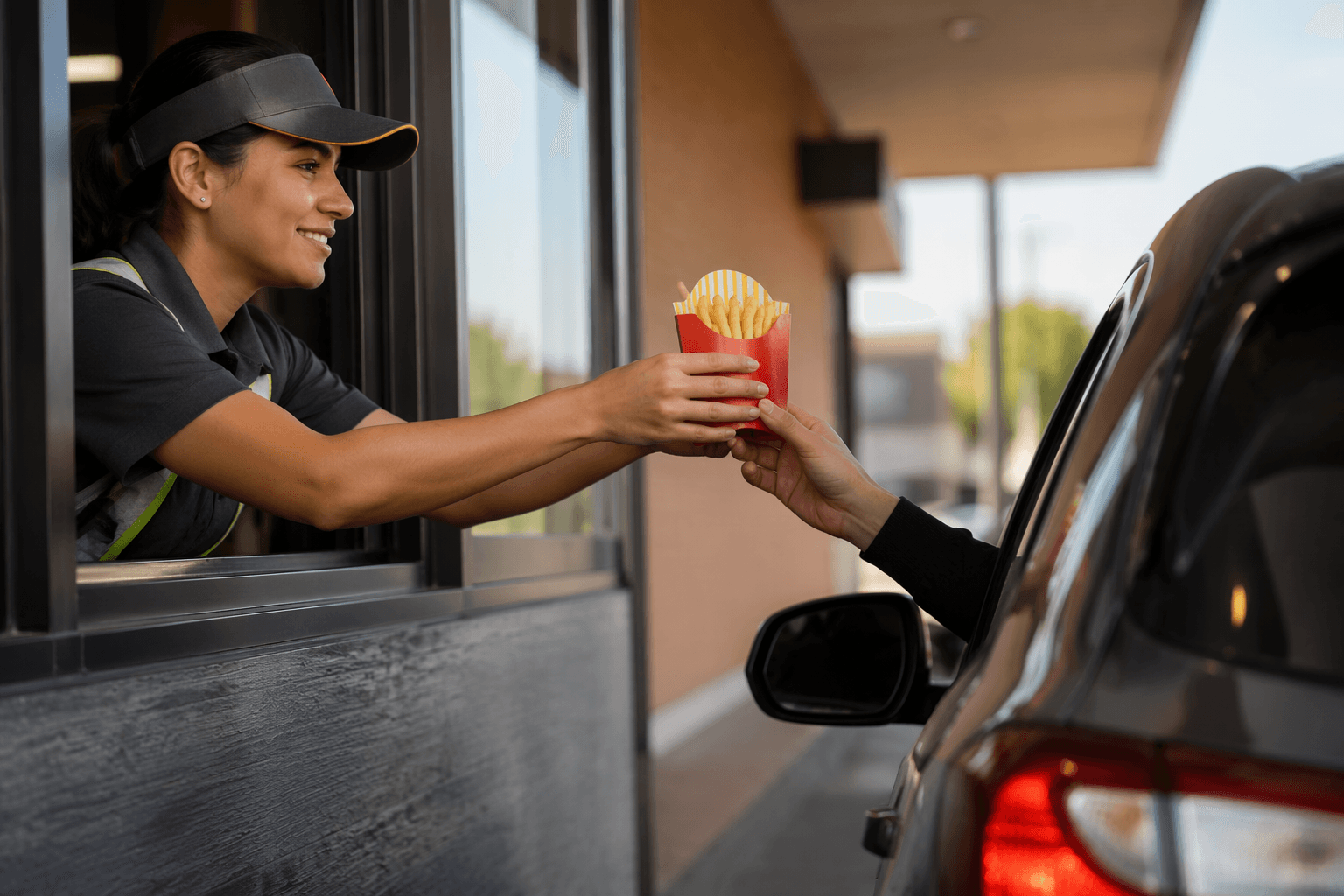
For workers on the floor, that means knowing the live offers is part of the job, just like stocking fries or taking a drive-thru order. The more the chain leans on app-driven value, the more the daily workload depends on whether the offer is active, local, app-only, or excluded from delivery. At McDonald’s, the deals page is no longer just a menu of discounts. It is a map of where the next rush will hit.
This article was produced by Prism’s automated news system from verified source data, official records, and press releases, then run through automated quality and moderation checks before publishing. The system is built and supervised by the people who set the standards it runs under. Read our full AI policy.
Did this article answer your question?