McDonald’s expands AI, cloud tools to modernize restaurant operations
McDonald’s is wiring AI into kitchens and loyalty data into operations, a shift that could speed service while putting more pressure on crew, trainers, and managers.

McDonald’s is turning restaurant tech into a labor issue
McDonald’s newest digital push is not just about faster software. It is about how a restaurant gets run, shift by shift, from the kitchen line to the manager’s screen. The company’s latest update on “Digitizing the Arches” shows a system built around cloud tools, AI, connected equipment, and loyalty data, all aimed at making restaurants smarter, faster, and more reliable.
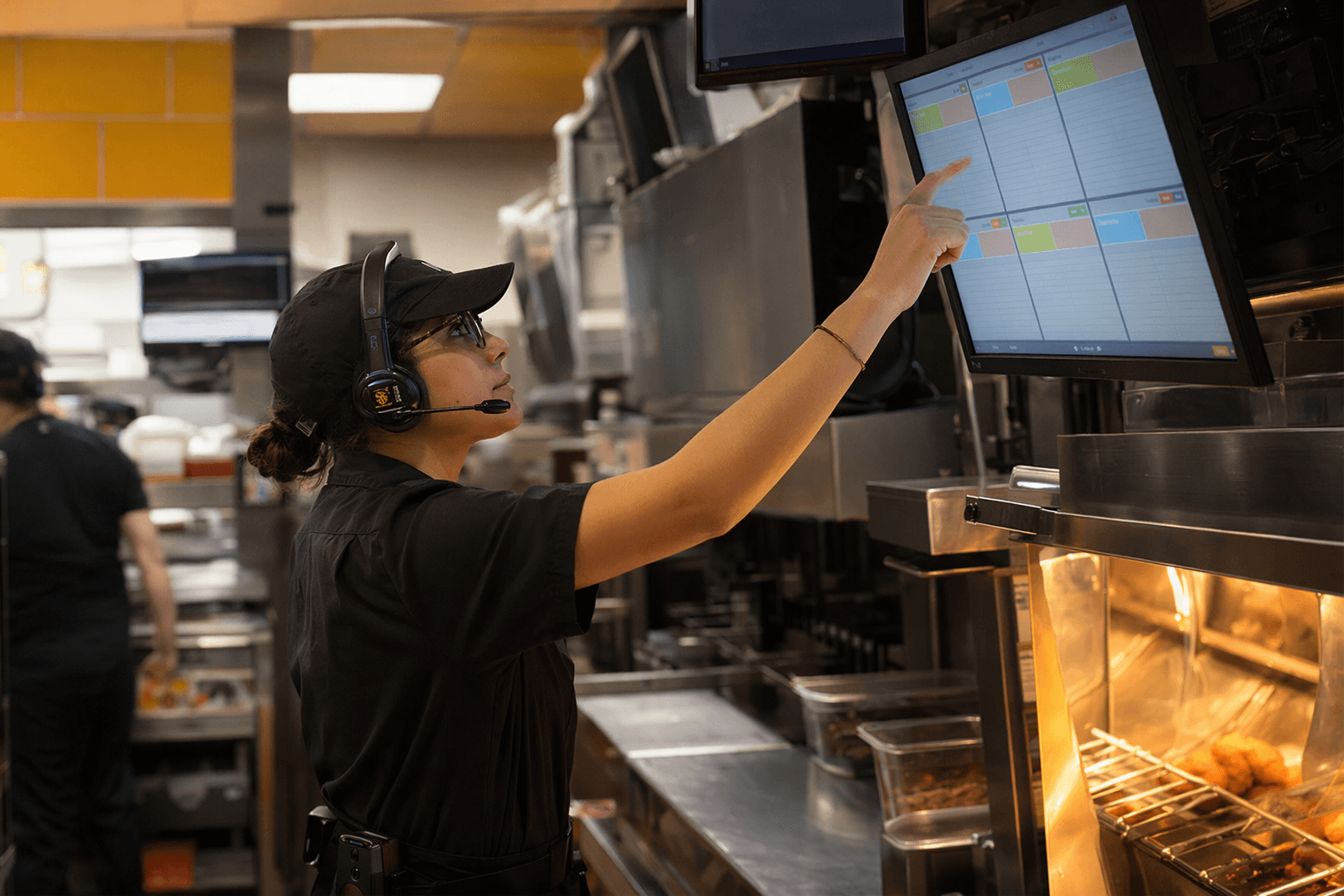
For workers, that means the day-to-day job is changing in plain sight. More tasks will be checked by systems, more errors will be caught before customers see them, and more of what managers measure will come from digital signals instead of only what they can see on the floor.
What Restaurant Platform Edge means inside the restaurant
At the center of the rollout is Restaurant Platform Edge, a computing platform McDonald’s developed with Google. It is already live in hundreds of U.S. restaurants and is expanding globally, which makes it one of the clearest signs that the company wants the same digital backbone across a huge restaurant system.
The practical promise is simple: better uptime, better food quality, and a smoother experience for customers and crew. In restaurant language, that means fewer equipment headaches, fewer service slowdowns, and less dependence on one manager noticing a problem after the rush has already gone sideways.
But a platform like this also changes who gets blamed when something breaks. When technology is wired deeper into the operation, crews may spend less time improvising around old equipment and more time working within a system that expects clean data, steady connectivity, and fast response times. That can help the line move more smoothly, but it also narrows the room for error.
Digital checks are changing what order accuracy looks like
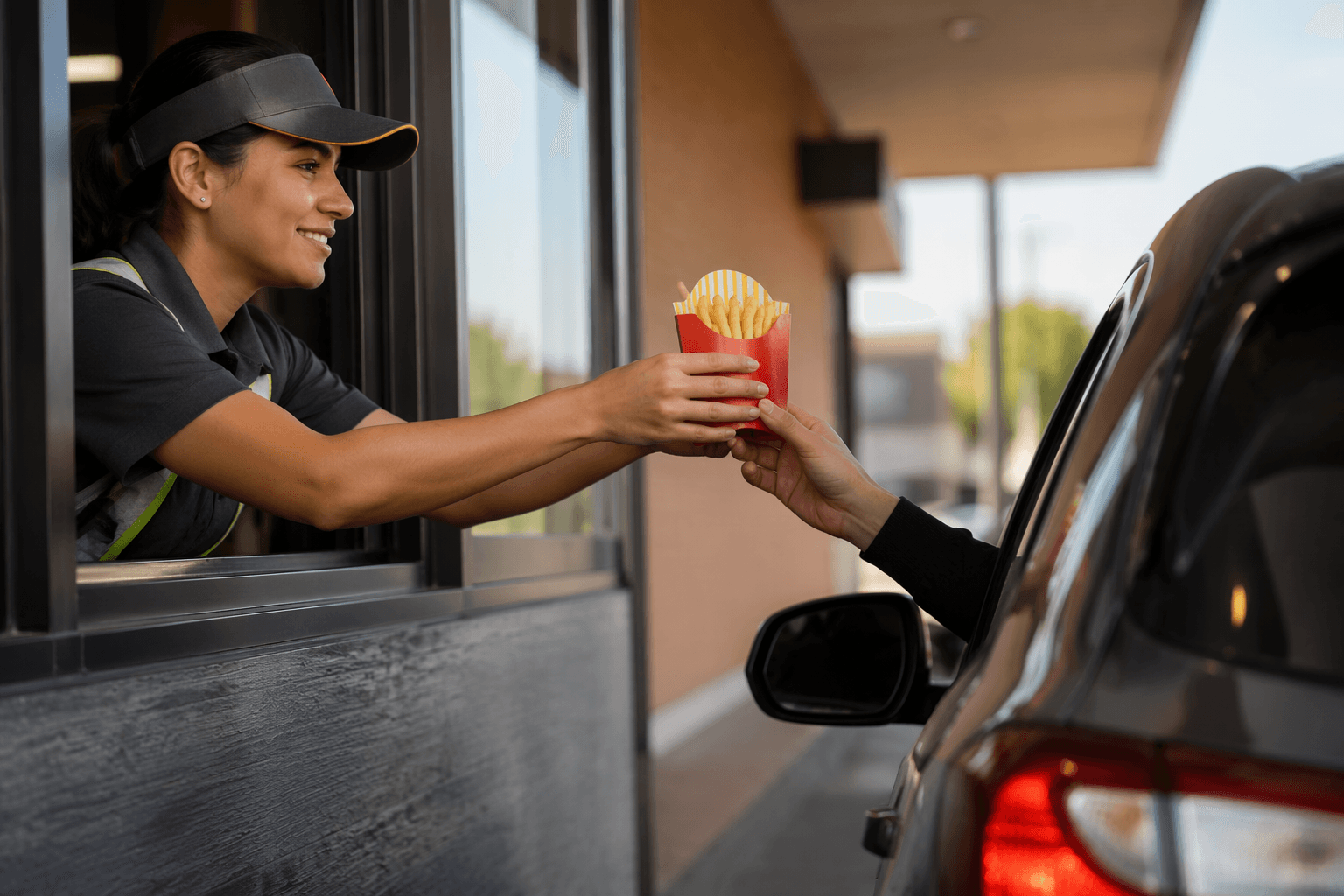
One of the most concrete tools McDonald’s highlighted is Accuracy Scales, which compare the target weight of an outgoing order with the actual weight and flag missing items before food reaches the customer. That sounds like a behind-the-scenes feature, but it lands directly on the floor, where missed fries, missing sauces, and incomplete bags often become the kind of friction that crew absorb first.
In practice, this kind of check shifts part of the quality-control burden from memory and habit to a digital system. For crew members, that can mean fewer customer complaints coming back to the counter or drive-thru window. It can also mean more steps at the finish point of an order, more prompts to correct mistakes before the handoff, and more pressure to keep pace with a process that expects precision every time.
McDonald’s has already signaled where this is heading. In a March 2025 report on the rollout, Brian Rice said the company was introducing internet-connected kitchen equipment and AI-driven tools for managers to address equipment malfunctions and order inaccuracies. That matters because it shows the company is not treating AI as a distant corporate experiment. It is using it to alter the work of running a restaurant.
Managers will be watching different things
The clearest change for managers is that more of their job will be measured through technology. Instead of relying only on walk-throughs and shift notes, they will be expected to respond to connected equipment alerts, order-accuracy flags, and customer feedback that arrives digitally and in real time.
That can make management more proactive. A fryer issue, a grill problem, or a timing breakdown may surface faster, which could reduce the kind of chaos that forces crews to catch up during peak hours. But it can also mean tighter oversight, more visible performance metrics, and less room for local workarounds that have long been part of fast-food operations.
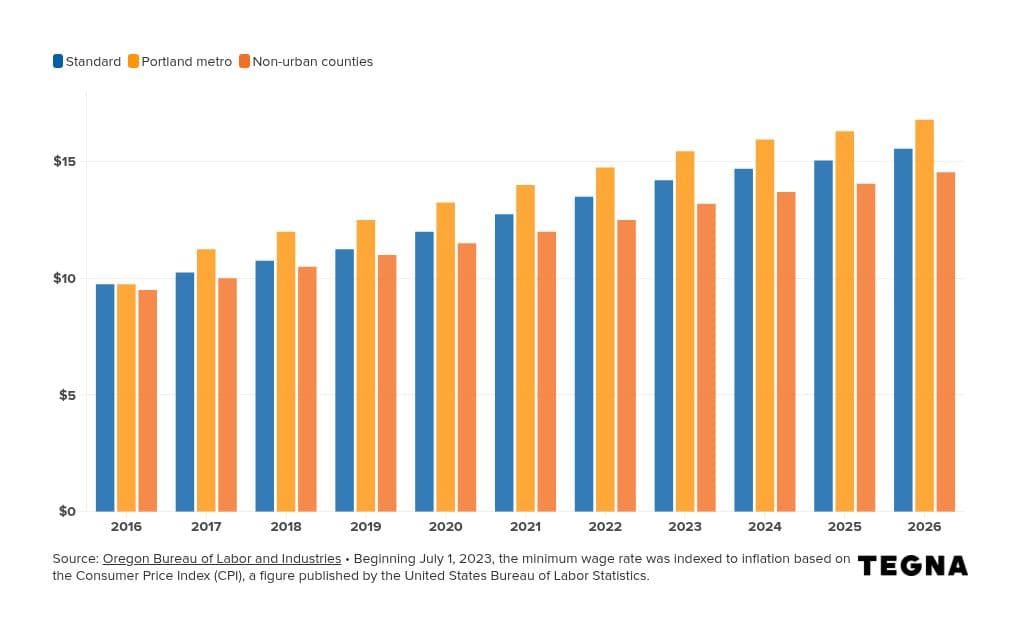
For franchisees, the stakes are especially clear. McDonald’s corporate team is pushing a common digital model across a giant system, while franchise owners are still responsible for labor, service, and execution in their own stores. That tension is familiar in the McDonald’s world, especially after years of worker activism tied to Fight for $15 and minimum wage fights. The company can promise better tools, but the people staffing the restaurant still have to make the technology work during lunch rush, short-staffed shifts, and drive-thru pressure.
Loyalty data is becoming part of the restaurant workflow
McDonald’s is also leaning hard on loyalty, which is no longer just a marketing program. The company said it had more than 185 million 90-day active loyalty users across 60 markets in the second quarter of 2025, up from more than 175 million at the end of 2024. Its target is 250 million 90-day active loyalty users by 2027.
That kind of growth matters on the floor because loyalty is shaping how customers arrive, what offers they expect, and how often they return. McDonald’s says U.S. customers who join MyMcDonald’s more than double their visits in the first year after joining. The company also said loyalty-member systemwide sales were about $30 billion in 2024 and nearly $37 billion in full-year 2025.
For crews, that means more guests are walking in with personalized offers, app-driven expectations, and a sharper focus on digital deal redemption. For managers, it means customer behavior is becoming more predictable in some ways and more demanding in others. The restaurant is not just serving food. It is feeding a data engine that McDonald’s wants to use to drive frequency, sales, and repeat visits.
Why the company is betting so heavily on cloud and AI
McDonald’s laid the groundwork for this shift in December 2023, when it announced a multi-year global partnership with Google Cloud to connect cloud technology across thousands of restaurants and apply generative AI solutions. A week later, it expanded its partnership with Accenture to help execute that edge-tech and generative-AI strategy and improve operations as well as customer and crew experience.
That sequence matters because it shows the company is building an infrastructure project, not just adding a few gadgets. McDonald’s also tied this to “Accelerating the Arches,” its broader strategy around digital, delivery, drive-thru, and development. The company has described that approach as a once-in-a-generation transformation, and it is matching the language with scale. McDonald’s expects to have more than 41,000 restaurants worldwide and has said it aims to grow to 50,000 by 2027.
At that size, even small technology changes can reshape labor across the system. A tool that reduces a few seconds per order, cuts a few wrong bags per shift, or speeds up equipment troubleshooting may not sound dramatic. Across tens of thousands of restaurants, it can change staffing patterns, training priorities, and the pace at which new expectations spread.
The hidden workload: new tools, new training, new pressure
McDonald’s is also testing a digital feedback platform in limited U.S. and Australian restaurants, launched in June 2025 to replace paper receipt feedback and make guest comments easier to submit. That is another sign that the company wants customer input to flow faster into operations, which can be useful when the goal is quick fixes. It also means more feedback, more data, and more management pressure to respond.
The likely workplace effect is a familiar one in service jobs: some tasks get easier while the job itself gets more measured. Digital checks can reduce guesswork. Cloud systems can make stores more connected. AI tools can help managers spot issues earlier. But the tradeoff is that crews will need new training, managers will need sharper tech fluency, and the expectations for speed and consistency will rise with every upgrade.
McDonald’s is not just modernizing restaurants. It is redesigning how work gets done inside them.
This article was produced by Prism’s automated news system from verified source data, official records, and press releases, then run through automated quality and moderation checks before publishing. The system is built and supervised by the people who set the standards it runs under. Read our full AI policy.
Did this article answer your question?