McDonald's flags widening income gap as lower-income diners cut back
Chris Kempczinski said lower-income traffic fell nearly double digits while high-income visits held up, a split that can change what crews sell, when they work and how stores feel at peak.
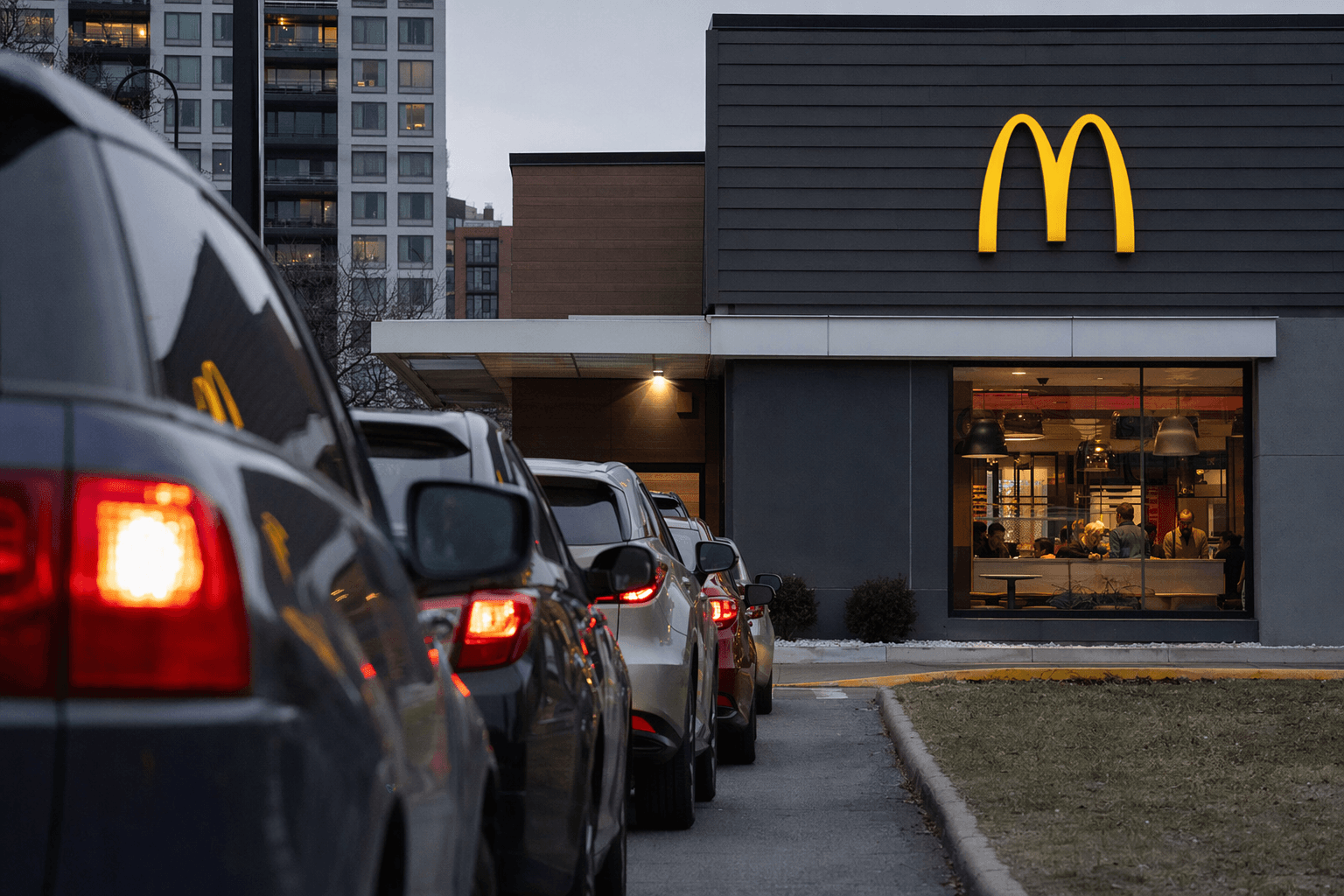
McDonald’s latest warning was bigger than a weak quarter. Chris Kempczinski said the chain is seeing a widening divide in who can still afford to stop in, with lower-income traffic down nearly double digits while visits from customers making $100,000 or more remained solid.
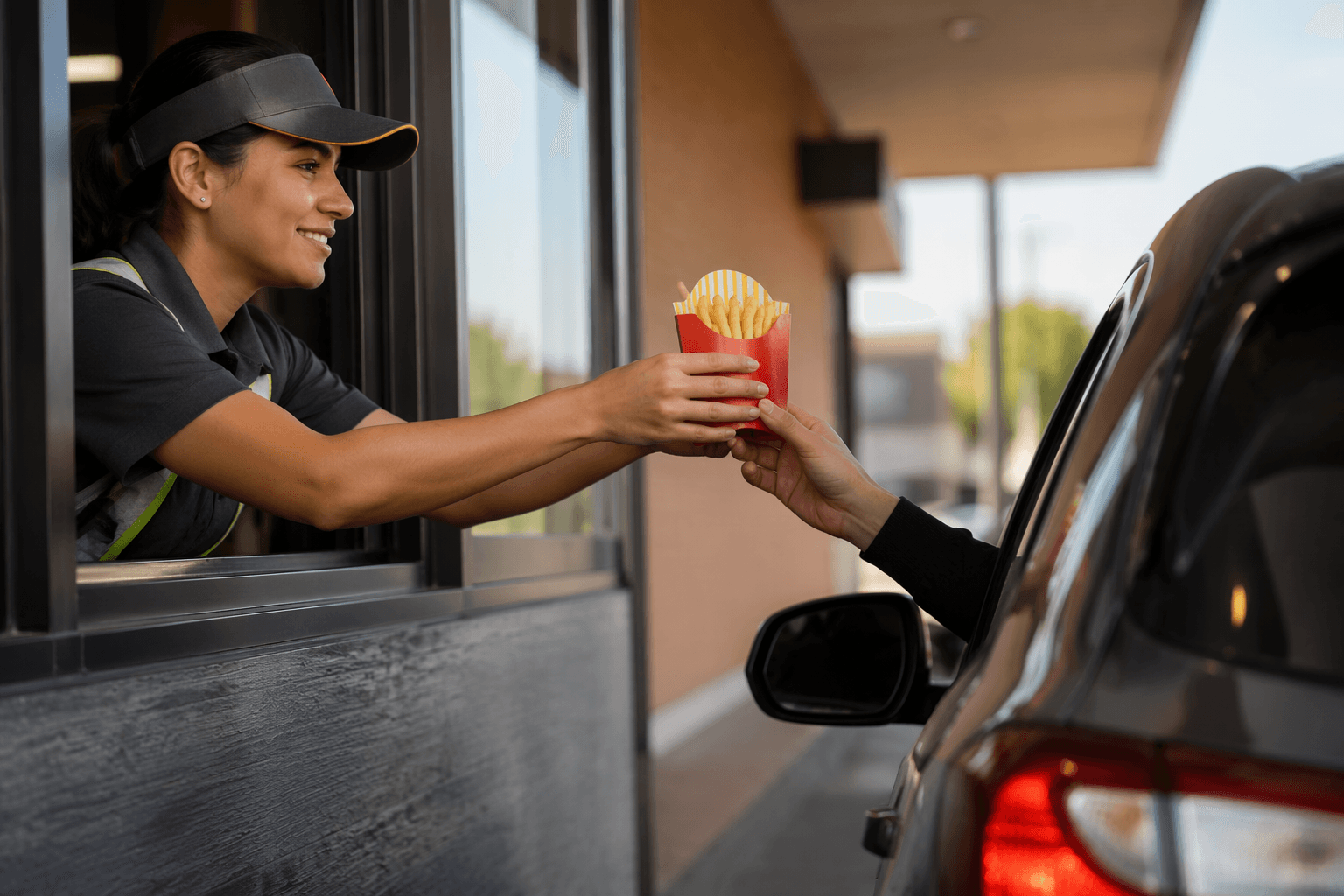
That split matters inside the restaurant, not just on Wall Street. When working-class diners cut back, stores usually feel it first in smaller tickets, more value-menu orders and fewer add-ons at the register. For crew members and shift managers, that can mean more pressure to push bundles and drinks to protect sales, even as customers become more price-sensitive and less willing to trade up.
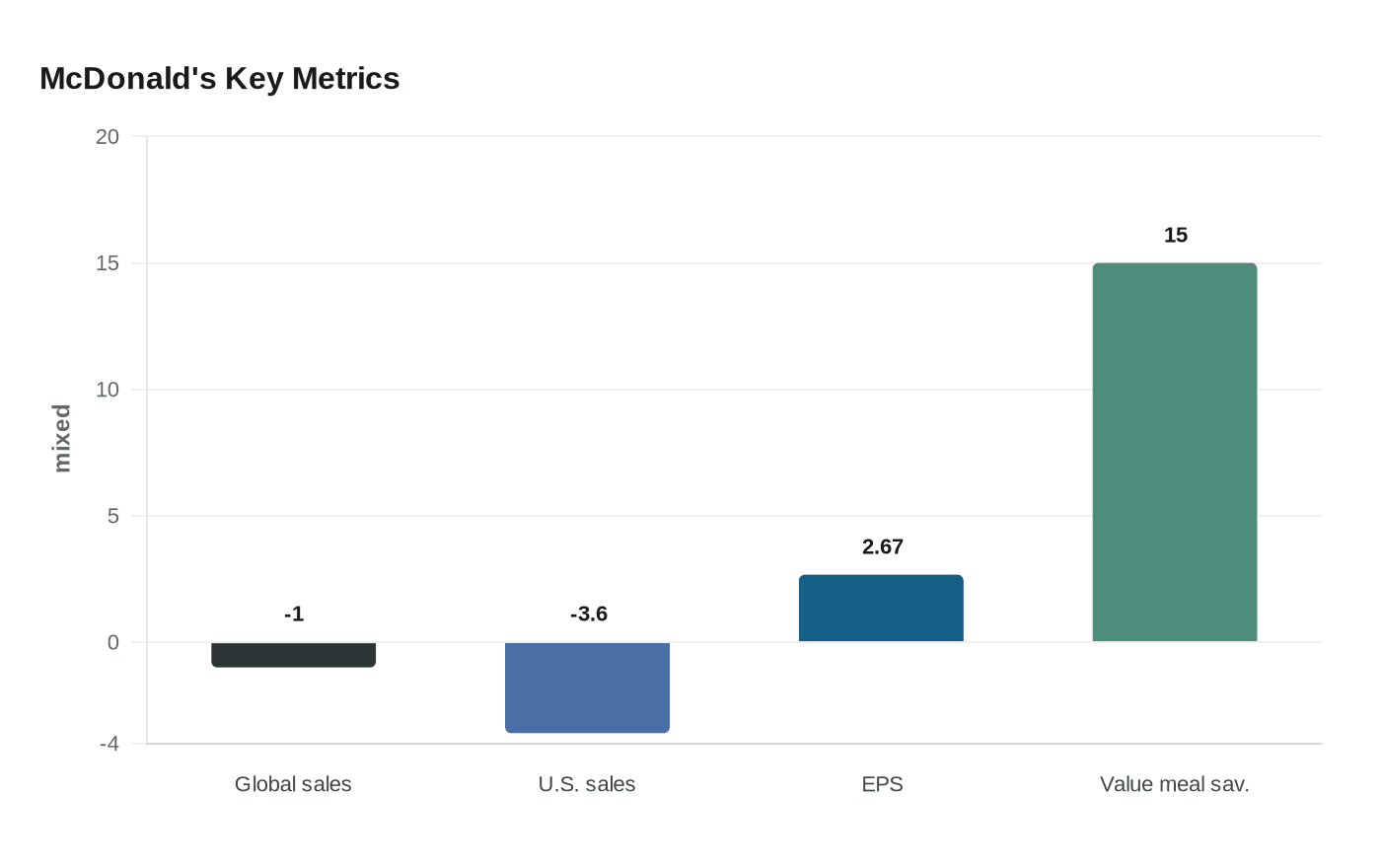
McDonald’s first-quarter 2025 results, reported May 1, showed how hard the pressure was hitting. Global comparable sales fell 1.0 percent, or were essentially flat excluding Leap Day, while U.S. comparable sales dropped 3.6 percent, McDonald’s biggest U.S. decline since the pandemic. The company reported diluted earnings per share of $2.67, excluding current-year charges. Executives said consumer uncertainty and broader economic stress were weighing on demand.
Kempczinski said the weakness was not limited to the lowest-income guests. Middle-income traffic also fell nearly as much as the lower-income cohort, underscoring how inflation and caution were reshaping the customer base across the counter. Industry data and rival restaurant chains have pointed to the same pattern, with consumers at the bottom end pulling back while better-off diners keep spending.
For managers, that kind of bifurcation can make the daypart mix harder to predict. Breakfast and lunch rushes can still be busy, but if customers are leaning harder on deals, stores may see less profitable check averages even when the lobby or drive-thru looks full. That raises the stakes for labor planning, because the same number of orders can bring in less revenue and more friction over promotions, substitutions and wait times.
McDonald’s has leaned into value to blunt the slowdown. The company later brought back Extra Value Meals and said customers would save about 15 percent versus buying items separately. It also leaned on loyalty, saying systemwide sales to loyalty members topped $31 billion over the trailing 12 months across 60 loyalty markets, including about $8 billion in the quarter.
For crews, the signal is clear: when the gap between affluent and lower-income diners widens, the work on the line gets more complicated. The challenge is no longer just serving more people. It is serving a customer base that is splitting into two very different kinds of orders, two very different levels of spending, and two very different levels of patience at the counter.
This article was produced by Prism’s automated news system from verified source data, official records, and press releases, then run through automated quality and moderation checks before publishing. The system is built and supervised by the people who set the standards it runs under. Read our full AI policy.
Did this article answer your question?