McDonald's Menu Spotter centralizes upcoming items, eases restaurant planning
Menu Spotter gives crews an early read on McDonald’s launches, helping restaurants prep for new items, returning favorites and limited-time promos before the rush hits.
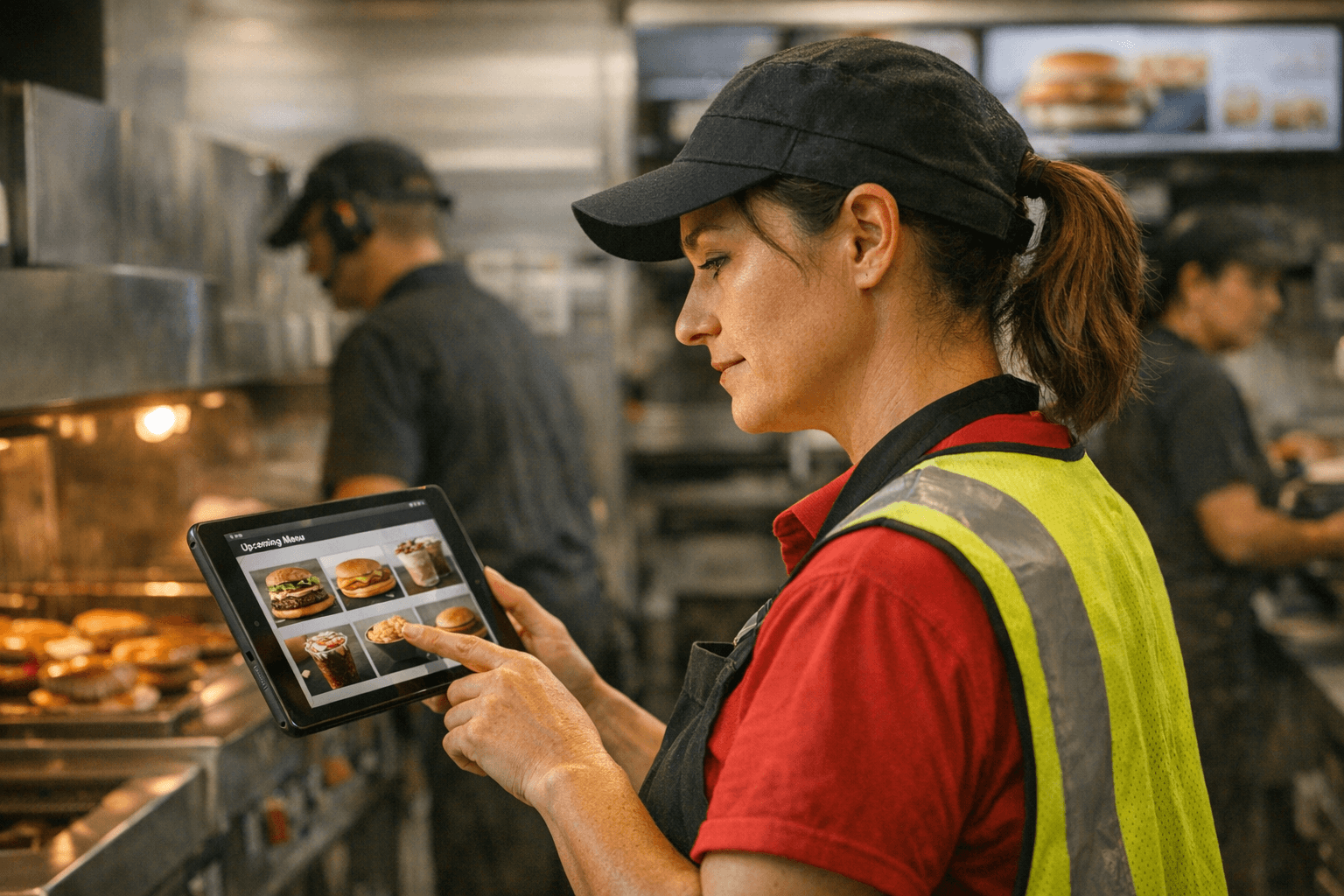
Menu Spotter is more than a promo page
When McDonald’s lists a Happy Meal tied to The Super Mario Galaxy Movie for March 26, 2026 and two KPop Demon Hunters-inspired adult meals with Netflix starting March 31, 2026, the value for restaurant teams goes well beyond marketing. The company’s Menu Spotter page calls itself the “one and only source” for updates on new menu items, returning fan-favorites and limited-time offers making their way to restaurants across the U.S., and that kind of heads-up can shape an entire shift.
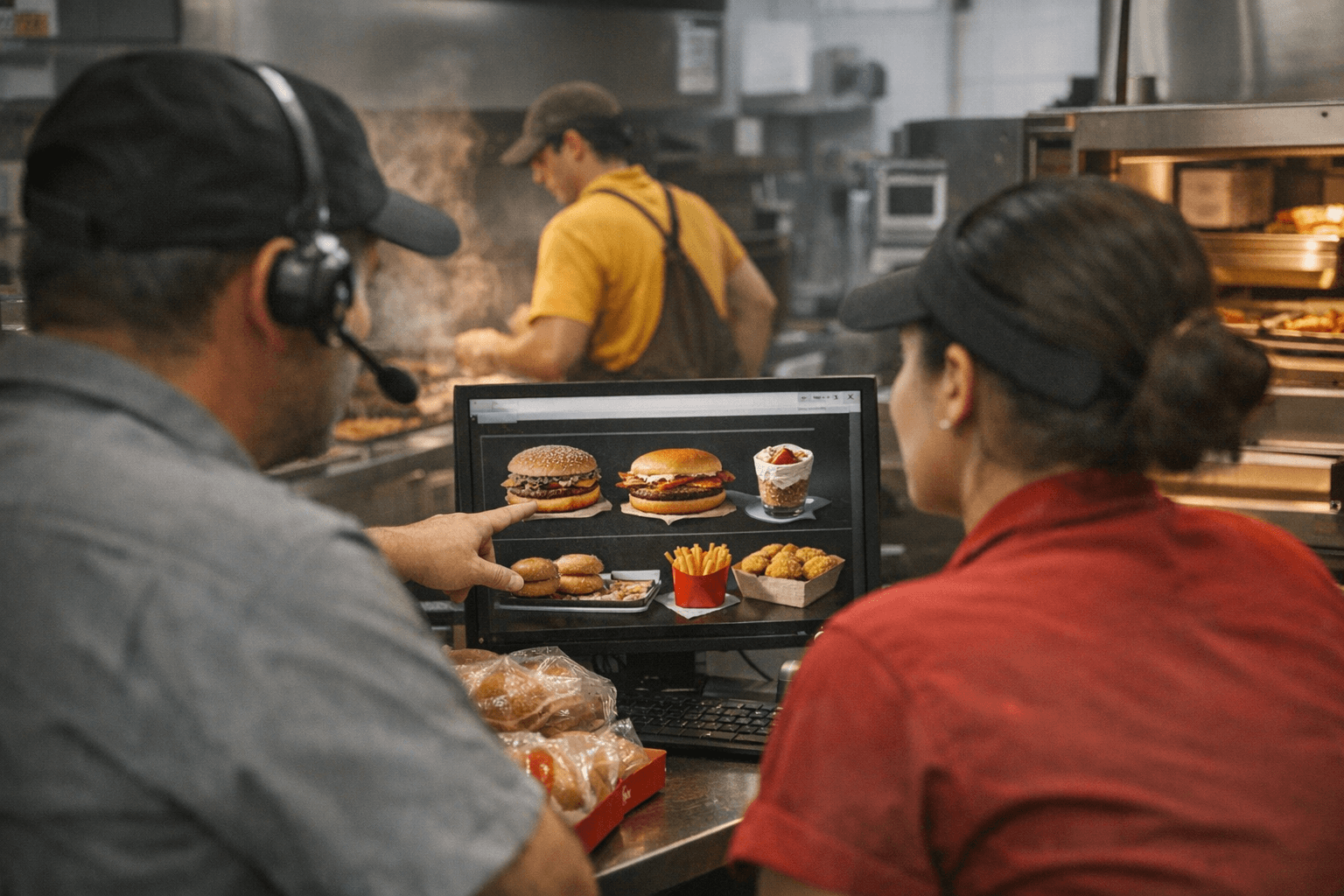
For crews, the difference between knowing a launch early and learning about it at the window is the difference between a smooth rush and a scramble. New items affect the line, the back room, the counter, and the questions guests start asking the moment a promo goes live.
Why the page matters on the floor
Menu changes are not abstract at McDonald’s. They alter prep, inventory, training, customer service and the speed of the line, which means a single listing can ripple through the whole restaurant. If the team knows what is coming, managers can brief the shift, adjust product counts, and make sure crew members know whether an item is returning nationwide, showing up only in certain markets, or available for a limited run.
That matters even more at a chain where menu strategy now leans on a mix of permanent items and rotating offers. Workers are not just memorizing what is on the board today. They are tracking what is next, what is seasonal, and what is likely to trigger a flood of guest questions once it lands.
- It helps managers stage ingredients and packaging before launch day.
- It gives front-line workers a cleaner answer when customers ask if a favorite item is back.
- It reduces confusion when a promotion is regional or limited-time only.
- It gives the restaurant a better shot at keeping service moving when a new item hits the system.
That kind of visibility fits McDonald’s broader push toward digital tools that improve workforce management, internal visibility and data analytics. In a business built on speed, information is part of the labor model.
A centralized guide matters in a franchised system
McDonald’s says approximately 95% of its restaurants worldwide are owned and operated by independent local business owners. That structure makes a centralized reference point especially useful, because menu rollouts can vary by location and by operator. For franchise employees and managers, Menu Spotter becomes a single place to see what McDonald’s is highlighting across the U.S. system before the local rush starts calling.
The scale behind that need is huge. McDonald’s reported 13,557 U.S. restaurants at year-end 2024, out of 43,477 systemwide restaurants globally. In the same year, the company said global systemwide sales exceeded $130 billion, it had over two million employees and crew, and it served 68 million people daily. When a company that large changes its menu calendar, the effect lands directly on the people in the kitchen and on the headset.
That is also why menu visibility can cut through some of the usual franchise tension. Corporate wants consistency, operators want flexibility, and crews want enough warning to do the job well. A page like Menu Spotter does not solve those conflicts, but it gives everyone the same starting point.
What the current lineup signals
The items on the page show how McDonald’s uses launches to keep interest moving. The Super Mario Galaxy Movie Happy Meal gives the company a family-focused spring anchor, while the KPop Demon Hunters meals point to a different audience entirely, with two all-new meals for adults and exclusive photocards that unlock first-access content for a limited time.
That is not just novelty. It is a clue about how the company expects restaurants to operate. Happy Meals, adult meals, collectibles and limited-time add-ons all create different prep needs, different customer questions and different pacing at the counter. For a crew member, that means the job is not simply to ring up the item. It is to know what the offer is, who it is for, where it is available and how long it will last.
McDonald’s menu calendar has become a blunt operational signal. If something is on Menu Spotter, workers should expect it to affect ordering patterns, guest expectations and the rhythm of the shift.
McDonald’s is using menu changes as a value play
The company has also turned menu changes into a price strategy, not just a novelty cycle. It launched a $5 Meal Deal in the U.S. starting June 25, 2024, for a limited time at participating restaurants. McDonald’s then brought back Extra Value Meals nationwide starting Sept. 8, 2025, saying the bundle would save customers 15 percent compared with buying an entree, fries and drink separately.
In April 2026, McDonald’s introduced a new Under $3 Menu and a $4 Breakfast Meal Deal. That shows the menu calendar is doing double duty: it is not only driving traffic, it is also helping the company answer pressure from value-conscious customers. For workers, value promotions usually mean faster decision-making at the register, more questions about what qualifies, and more pressure to keep up with deal details that change from one rollout to the next.
That is where Menu Spotter can help crews stay ahead of the frustration. A guest asking about a value meal is easier to help when the team already knows what is active, what is coming, and which items are bundled together.
The breakfast play shows how deep these shifts go
McDonald’s has been reshaping its menu for decades, and the breakfast line is one of the clearest examples. The company officially added breakfast to its national U.S. menu in 1977, with the Egg McMuffin, hotcakes, toasted English muffin, scrambled eggs, sausage, hash browns and a danish. That was not just a food launch. It changed staffing patterns, prep routines and the way the company thought about the daypart.
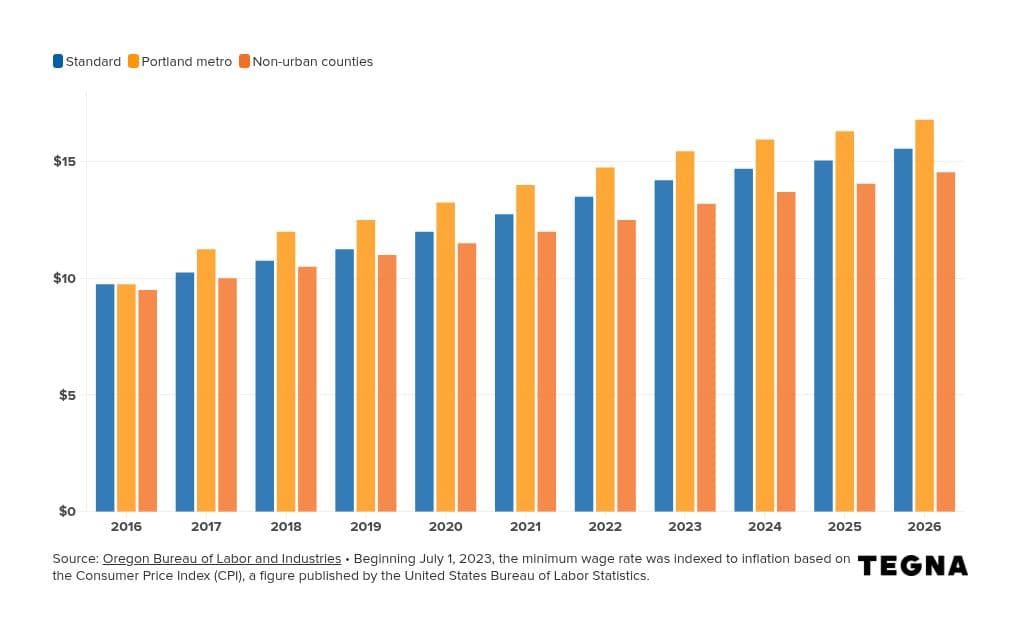
That history matters now because menu changes still arrive the same way they always have: as a business decision that becomes a worker task. In a labor market shaped by Fight for $15 campaigns, minimum wage fights and ongoing automation talk, the people on the floor are still the ones who absorb the operational churn when corporate decides to refresh the board.
The practical takeaway for crews and managers
Menu Spotter is useful because it turns surprise into planning. Instead of learning about a returning favorite or a limited-time meal when customers start asking, restaurants get a central reference point to prepare product, train the shift and keep service moving. In a system as large and franchised as McDonald’s, that kind of early warning is not a small convenience. It is part of how restaurants stay ready when the next promotion lands.
This article was produced by Prism’s automated news system from verified source data, official records, and press releases, then run through automated quality and moderation checks before publishing. The system is built and supervised by the people who set the standards it runs under. Read our full AI policy.
Did this article answer your question?