McDonald's says supply chain changes are key to long-term value
McDonald’s is tying supply chain resilience to restaurant consistency, with packaging and supplier changes already reaching the crew level. The company said it had hit 95.8% of a major packaging goal.
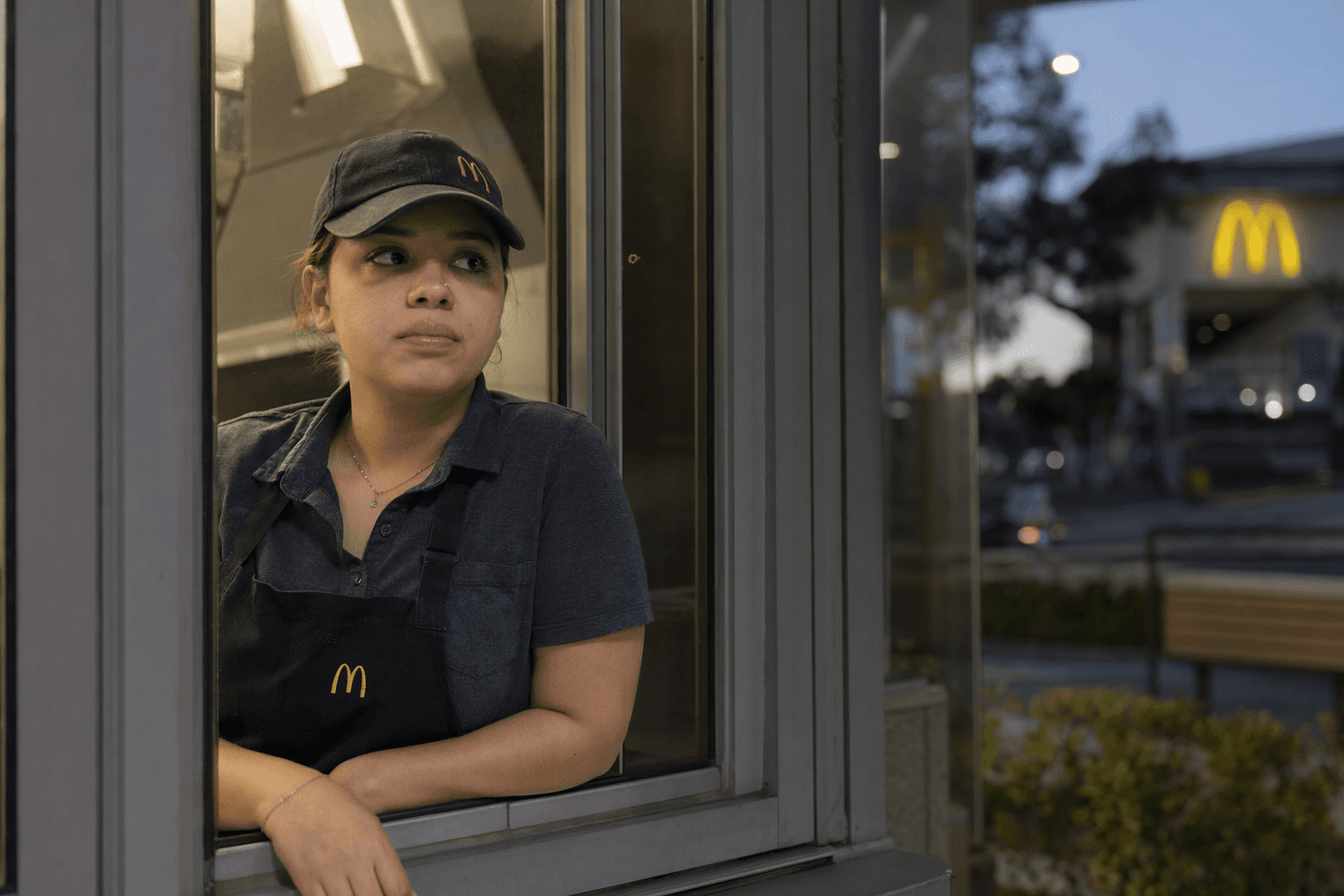
The supply chain is not staying in the back office at McDonald’s. It is showing up in the bin line, the prep table, the stockroom and the drive-thru window, where changes to packaging, recycling rules, supplier standards and energy use can alter what crew members touch on every shift.
In a May 19 statement signed by Global Chief Impact Officer Jon Banner and Global Chief Supply Chain Officer Warren Anderson, McDonald’s said it was continuing to scale solutions meant to strengthen its supply chain and create long-term value. The company framed that work as central to the restaurant experience, saying its business has been built on consistency, food customers trust and value that fits everyday life. Protecting that standard, McDonald’s said, depends on resilience across the full system, including company operations, franchisees and suppliers.
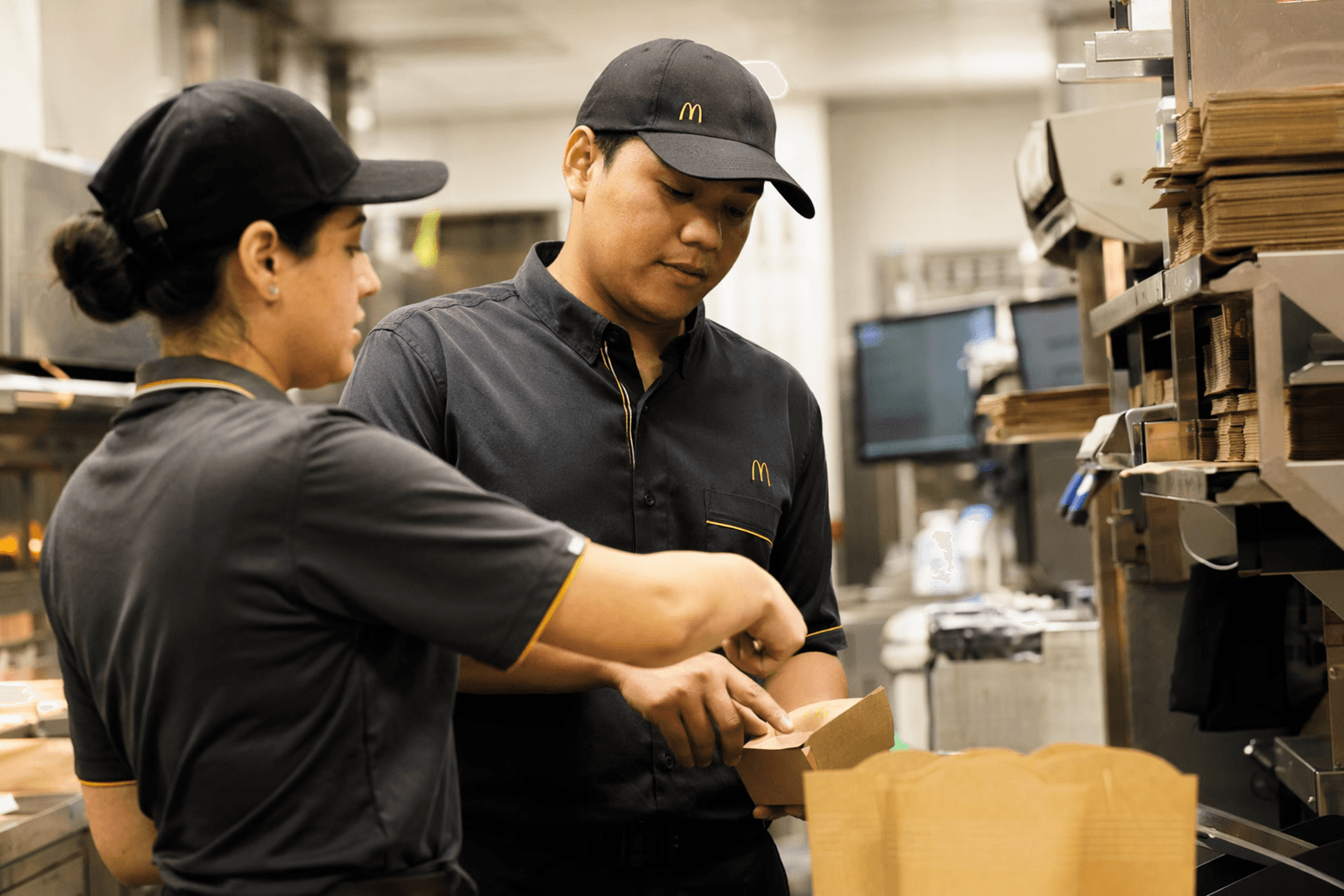
For restaurant workers, the practical meaning is straightforward: when McDonald’s changes packaging standards, energy-efficiency expectations, recycling practices or supplier requirements, those decisions land in the daily rhythm of the floor. Crew members stock different materials, sort more waste, adjust to new prep and handoff procedures, and deal with any friction that comes with a change in the chain. Managers and franchisees are the ones who absorb much of that operational pressure when new rules arrive alongside the usual rush of breakfast, lunch and late-night volume.
McDonald’s said it was on track to exceed its 2030 Scope 1 and Scope 2 climate goals. It also said it had substantially achieved its packaging, toys and waste commitments, including reaching 95.8% toward its goal of sourcing primary guest packaging from renewable, recycled or certified materials by the end of 2025. That kind of progress matters on the floor because packaging is one of the most visible parts of the job, from bagging orders to keeping supply moving in stores that cannot afford a disruption during a peak period.
The harder part, McDonald’s said, is Scope 3 emissions, which depend on franchised restaurants, suppliers, agriculture, logistics and broader infrastructure. That means the pace of change will not look the same in every market, and it puts more responsibility on the people running individual restaurants to keep food moving while corporate standards keep shifting. For workers, the upside of stronger supply chains is fewer last-minute shortages and less chaos when demand spikes. The tradeoff is that resilience still comes with new procedures, and those procedures shape the job long before customers ever see the result.
Know something we missed? Have a correction or additional information?
Submit a Tip