McDonald's scale links restaurant changes to workers, suppliers, communities
McDonald’s biggest numbers are not just corporate trivia. They show why a menu tweak, price change, or staffing shift can hit crews, suppliers, and neighborhoods.
How McDonald’s scale reaches the floor
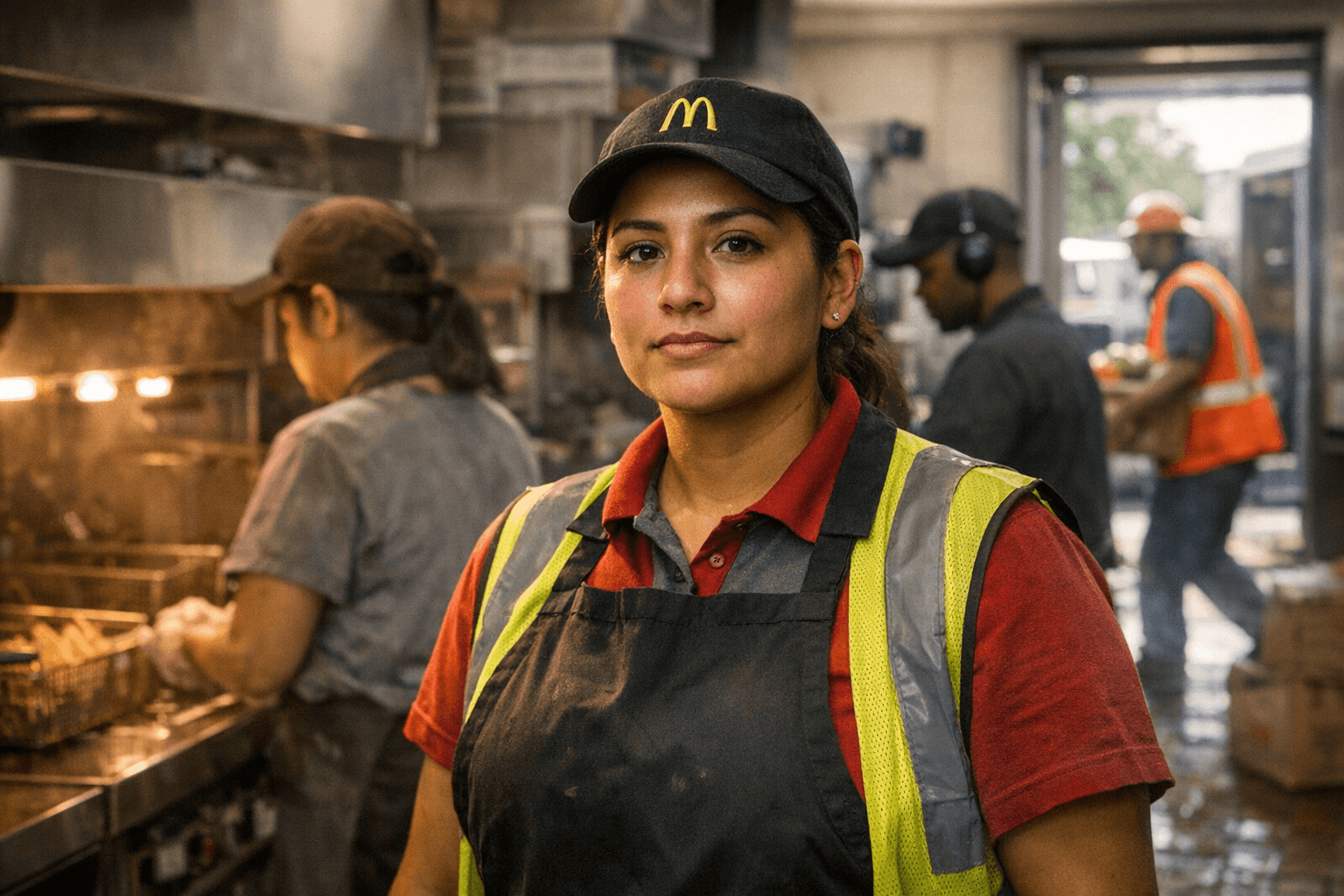
A small change at McDonald’s can feel anything but small once it lands in a restaurant. The chain says it serves 68 million people a day, operates 44,000 locations and counting, and has more than 43,000 restaurants in over 100 countries, so a pricing move, a new item, or a shift in labor strategy can change the pace of work in thousands of kitchens at once.
That scale matters because the system is built on layers of labor, not just a front counter. At year-end 2024, McDonald’s said it had 43,477 systemwide restaurants worldwide, including 13,557 in the United States, and about 95% of its restaurants worldwide were franchised. In practice, that means the experience of crew members and managers is often shaped by independent franchise owners who must respond to the same corporate menu, customer expectations, and supply requirements, while also making local staffing decisions.
Why the supply chain hits your shift first
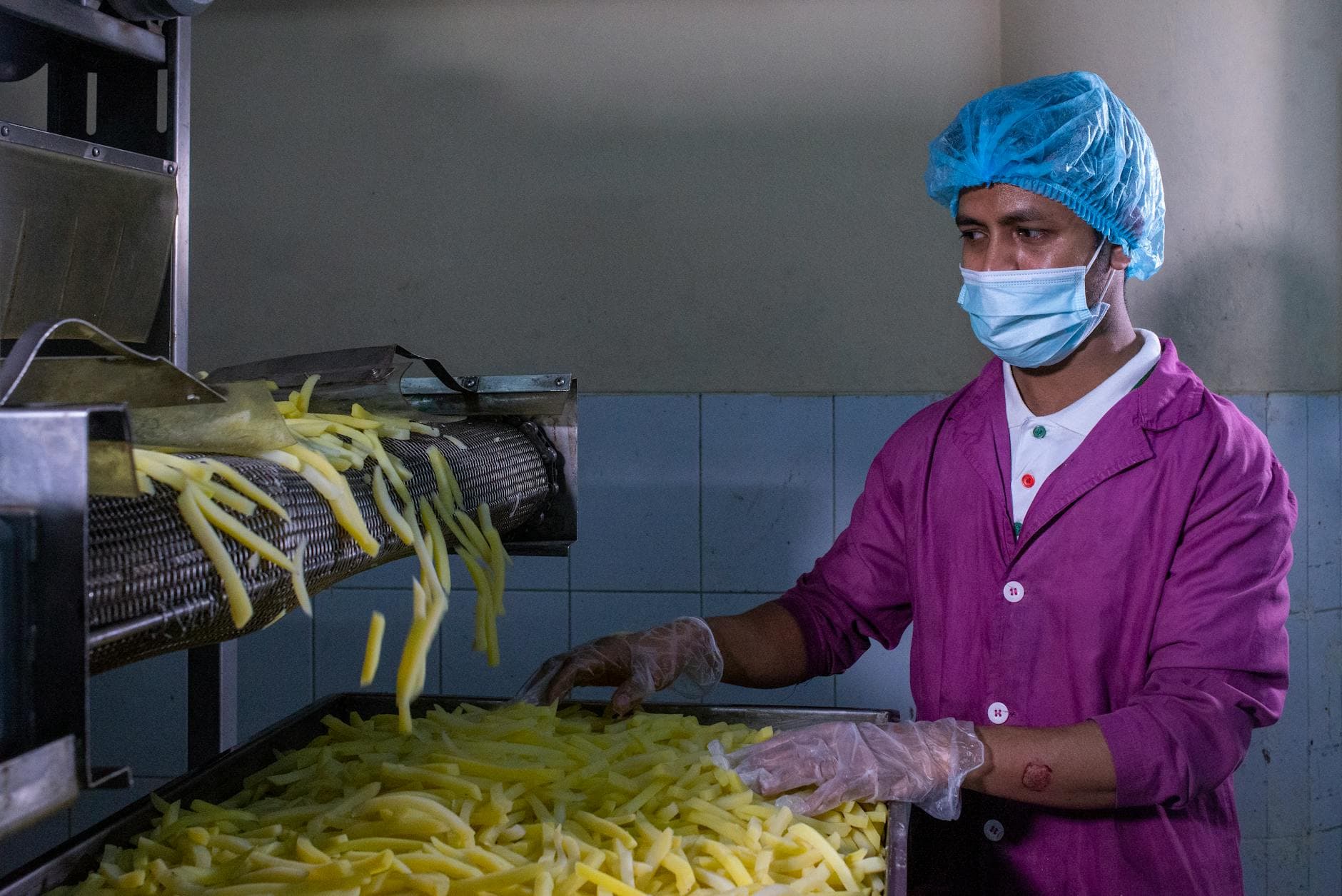
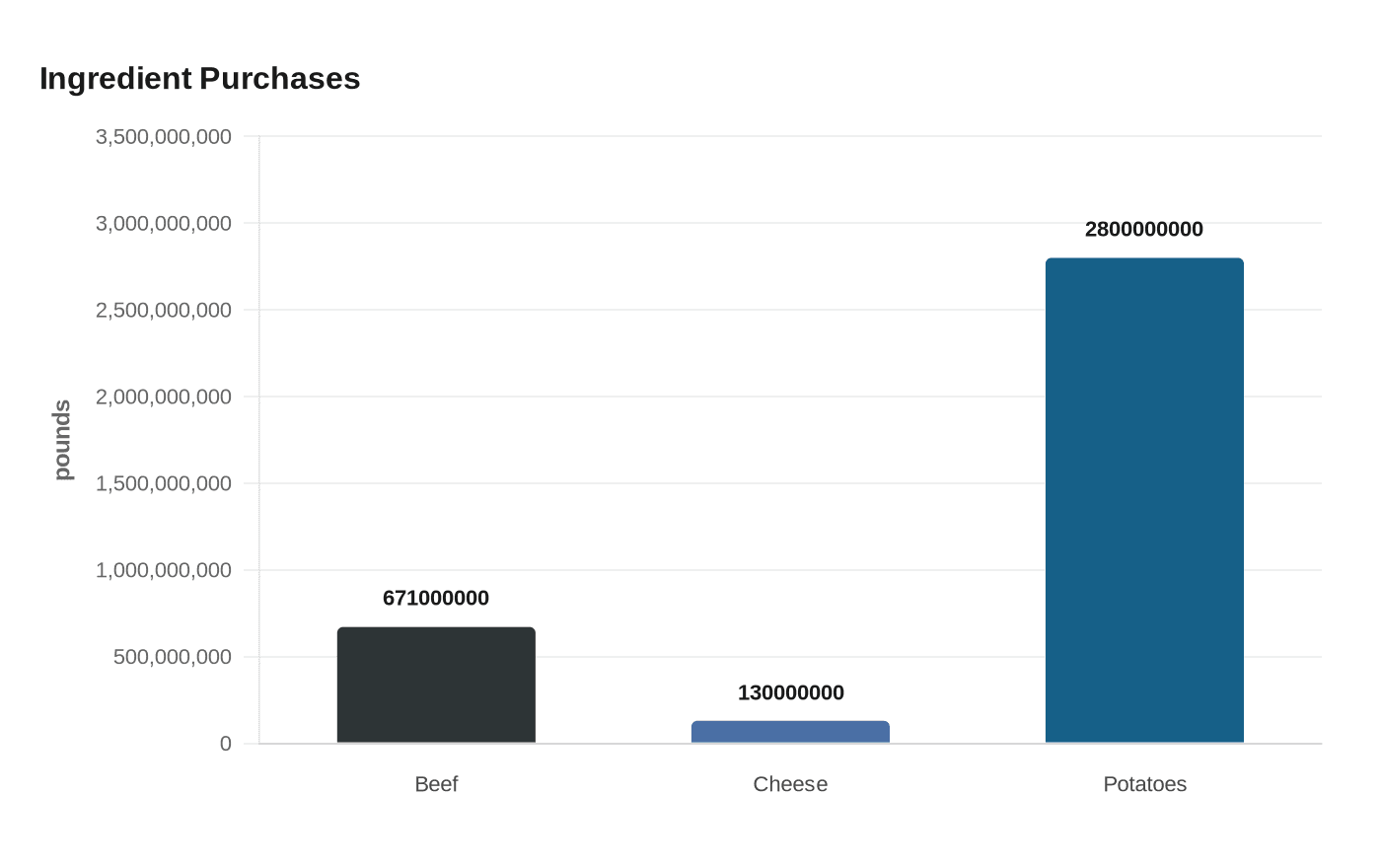
The clearest way to understand McDonald’s footprint is to follow the food. In 2024, the company said its U.S. system purchased more than $5.9 billion of quality ingredients, including 671 million pounds of beef, 130 million pounds of cheese, 2.8 billion pounds of potatoes, and 2.1 billion eggs. Those are not abstract supply-chain figures; they are the reason trucks show up, prep lists change, freezer space gets tight, and a breakfast rush can depend on whether one ingredient arrived on time.
For crew and managers, the ripple effect shows up in the daily rhythm of the store. A new menu item means training. A price change can shift customer traffic by the hour. A supply shortage can alter how a station is stocked and who gets pulled from one task to cover another. At McDonald’s scale, even a modest change in ordering or demand can change how many people are scheduled, how quickly line speeds need to move, and how often managers have to adjust the plan mid-shift.
The company’s global systemwide sales, which it said were over $130 billion for full-year 2024, help explain why those small operational changes matter so much. When a system this large moves even a little, the effect is felt in store traffic, delivery timing, inventory ordering, and the pressure on the people keeping the line moving.
What the numbers mean for labor and pay
McDonald’s economic impact materials are also a reminder that the chain sits inside the broader labor debate, not outside it. In its 2026 U.S. reporting tied to 2024 data, the company said its U.S. system supported more than 1 million jobs and contributed over $72 billion to U.S. GDP. In 2023, it said the system supported 1.1 million jobs, contributed $76 billion to GDP, and generated more than $21.5 billion in federal, state, and local taxes.
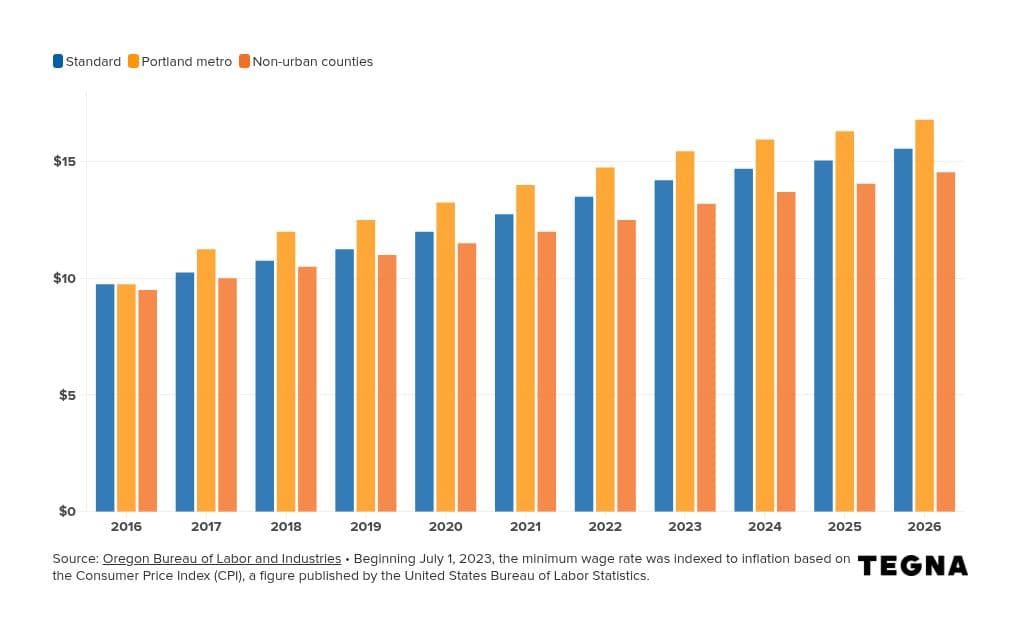
For workers, those figures help explain why McDonald’s has long been part of fights over minimum wage, scheduling, and job quality, including the Fight for $15 movement. A company that employs that many people, directly and through franchisees, becomes a pressure point in debates about hourly pay, turnover, and whether restaurant jobs are a stepping stone or a dead end. It also means that AI, kiosks, and automation in restaurants are not just tech upgrades; they are labor decisions with real consequences for crew roles, task mix, and how much human work remains on the floor.
The company says 1 in 8 Americans have worked at a McDonald’s restaurant, a statistic that shows how many households have some personal connection to the brand. That helps explain why McDonald’s is often part workplace, part training ground, and part entry point into the broader service economy.
Archways to Opportunity and the longer career path
McDonald’s uses Archways to Opportunity to argue that restaurant work can lead somewhere bigger. The program launched in 2015, and by May 2025 the company said it had invested more than $240 million and helped more than 90,000 crew members and franchise employees earn a high school diploma, get tuition assistance, learn English as a second language, or receive education and career advising. McDonald’s later said the program had awarded more than $185 million in tuition assistance and supported more than 82,500 restaurant employees.
That matters because a lot of workers do not see McDonald’s as their final stop. For someone trying to move from crew to shift manager, from shift manager to store leadership, or from restaurant work into business ownership or community leadership, the company’s own message is that the job can be the first rung, not the last one. For managers, that creates a different responsibility: training and retention are not just operational chores, they are part of how the company claims to build a workforce.
Local ownership, local roots
McDonald’s often talks about national scale, but its business model is rooted in local ownership. The company says 95% of its U.S. restaurants are locally owned and operated, which means many of the day-to-day decisions are made by franchisees who live with the same labor shortages, food costs, and neighborhood customer patterns as everyone else in the market. That local structure is one reason the company’s broad economic claims land differently in each city and state.
The historical story still shapes the brand’s identity. McDonald’s says Ray Kroc opened the first McDonald’s restaurant in Des Plaines, Illinois, on April 15, 1955, and the company marked its 70th anniversary in 2025. That origin story is more than nostalgia: it helps explain why McDonald’s still frames itself as a neighborhood business with national reach, even when the numbers are enormous.
That framing was reinforced when McDonald’s refreshed its U.S. economic impact reports for all 50 states, 21 major cities, and the nation overall in 2026, working with Oxford Economics. For workers, that local reporting is useful because it turns a giant company into something concrete: a restaurant on a corner, a freight route that arrives before lunch, a schedule that changes when traffic changes, and a pay debate that plays out one store at a time. The company’s scale is the point, but the real story is how that scale shows up in ordinary shifts, one order, one truck, and one crew schedule at a time.
This article was produced by Prism’s automated news system from verified source data, official records, and press releases, then run through automated quality and moderation checks before publishing. The system is built and supervised by the people who set the standards it runs under. Read our full AI policy.
Did this article answer your question?