McDonald's UK chief faces questions over harassment, racism allegations
Lauren Schultz ducked questions about McDonald’s UK abuse record just as fresh legal claims and watchdog scrutiny showed the scandal had not gone away.
Lauren Schultz declined to engage with the worst allegations against McDonald’s UK when she appeared on BBC Radio 4, a telling choice for a company still trying to convince crew members that its post-2023 reforms changed more than the talking points. Schultz, who joined McDonald’s UK and Ireland’s senior leadership team as chief executive in September 2025, steered toward youth work experience and future improvements instead of the harassment, racism and bullying claims that have shadowed the chain for years.
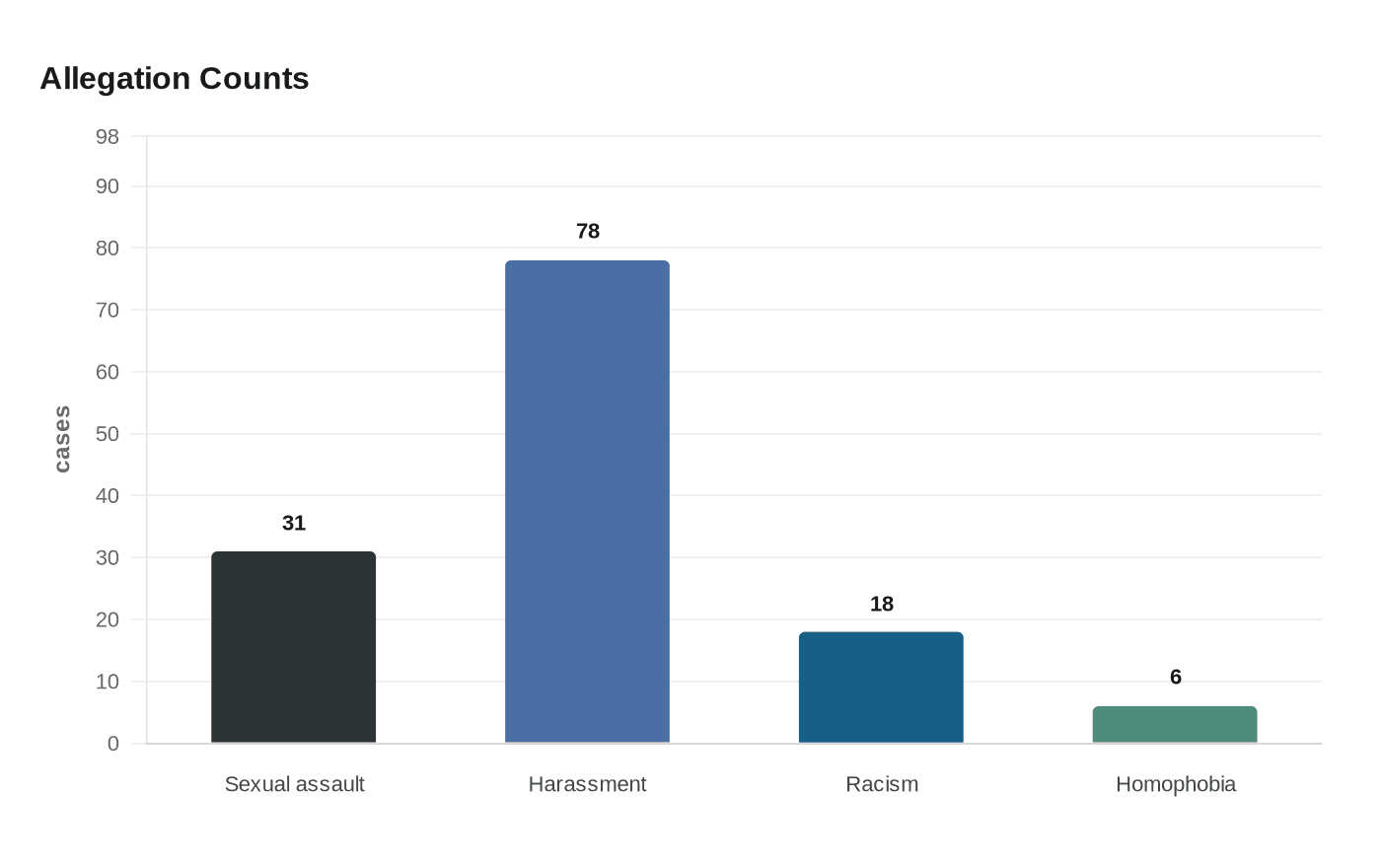
The allegations were detailed in BBC reporting in July 2023, when more than 100 current and former UK workers described a toxic culture inside the system, including some staff as young as 17. The reporting cited 31 allegations of sexual assault, 78 of sexual harassment, 18 of racism and 6 of homophobia. For the teenagers and young adults who make up much of McDonald’s workforce, the scale of the claims cut to the basic question of whether a first job can be safe.
McDonald’s had already signed a legally binding agreement with the Equality and Human Rights Commission in February 2023 to tackle sexual harassment before the BBC story landed. After the allegations surfaced, the company apologised and said it had “fallen short,” then created a dedicated investigation handling unit. But the issue did not disappear. The UK equality watchdog later said it had heard about 300 reported incidents of harassment after the BBC investigation, and in 2024 it strengthened its agreement with McDonald’s with more protective measures and expanded training.
The pressure has only intensified. In January 2025, more than 700 current and former junior McDonald’s workers in the UK were reported to have joined legal action over harassment, discrimination and homophobia claims. That matters across the chain’s roughly 1,450 restaurants in Britain, where McDonald’s says the average employee is 20. In a business built on high turnover, young crews and a corporate-franchise structure that can blur accountability, the unanswered questions are now less about image than about enforcement: who handles complaints, how quickly they move, and whether workers believe the system will protect them before the next allegation surfaces.
This article was produced by Prism’s automated news system from verified source data, official records, and press releases, then run through automated quality and moderation checks before publishing. The system is built and supervised by the people who set the standards it runs under. Read our full AI policy.
Did this article answer your question?