Nationwide boycott targets McDonald’s over labor practices, prices, and policies
John Schwarz’s seven-day boycott put McDonald’s labor, pricing, and DEI choices under a new spotlight as franchise stores braced for customer pushback.
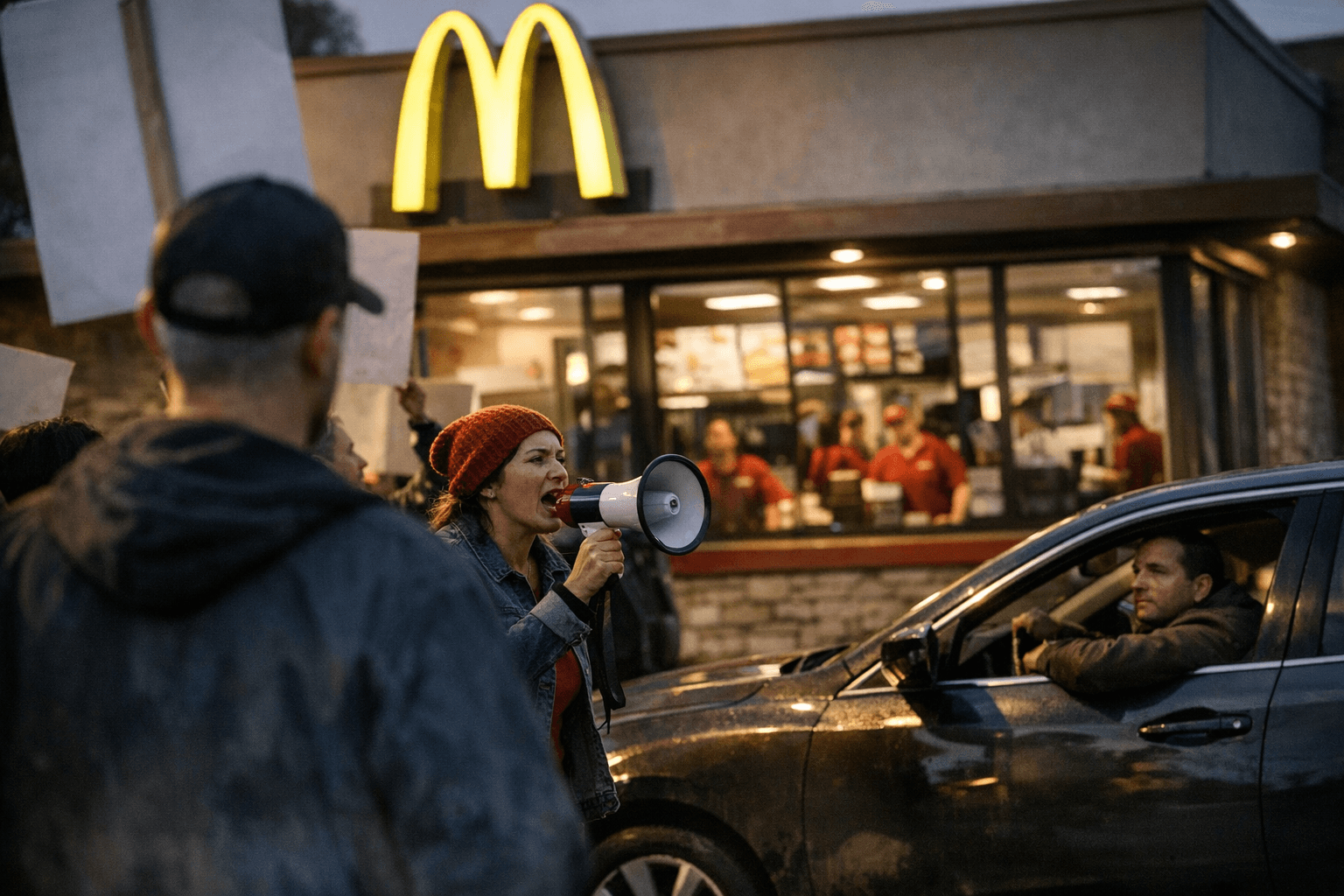
McDonald’s spent late June facing a seven-day boycott that aimed straight at the chain’s labor practices, prices, and policy changes, turning a brand-wide dispute into a store-level test for crews and franchisees. The People’s Union USA, led by John Schwarz, called for an economic blackout from June 24 through June 30, 2025, and urged customers to stay away from both restaurants and online ordering.
The immediate question for McDonald’s workers was not whether the protest was symbolic, but whether it would show up at the register, the drive-thru, and on the schedule. Boycotts rarely rewrite corporate policy in a week, but they can complicate daily operations by thinning traffic, heightening tension with guests, and leaving managers to absorb questions about wages, pricing, and company decisions that are set far above the kitchen line.
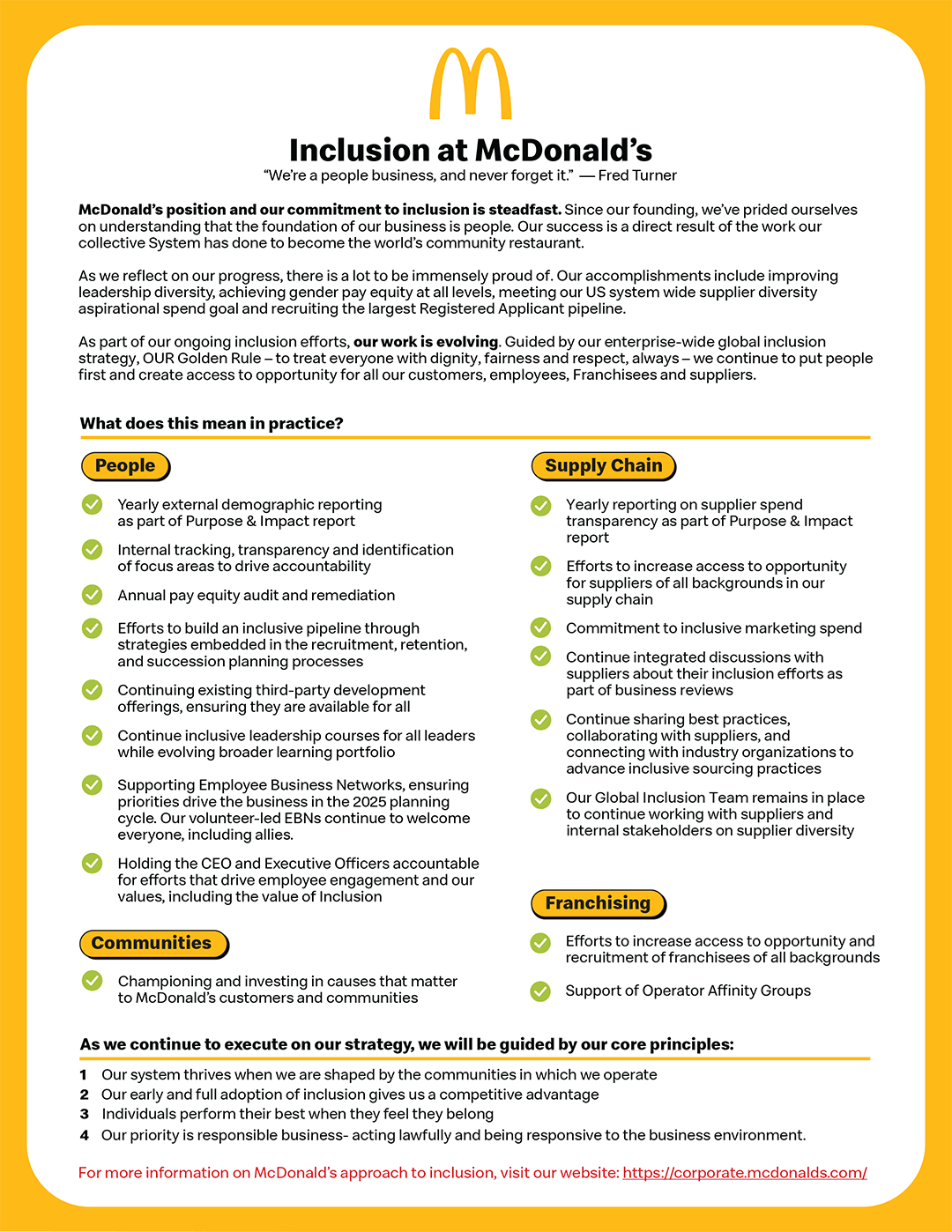
McDonald’s said the boycott claims were misleading and that its commitment to inclusion remained steadfast. That response came after the company said in January 2025 that it would retire aspirational representation goals and stop requiring suppliers to sign certain DEI-related commitments, following a review of the legal landscape after the Supreme Court’s 2023 affirmative-action ruling. For workers, the change fed a larger message that has hung over the brand for months: corporate policy disputes at headquarters can still spill into the front counter of a franchise restaurant.
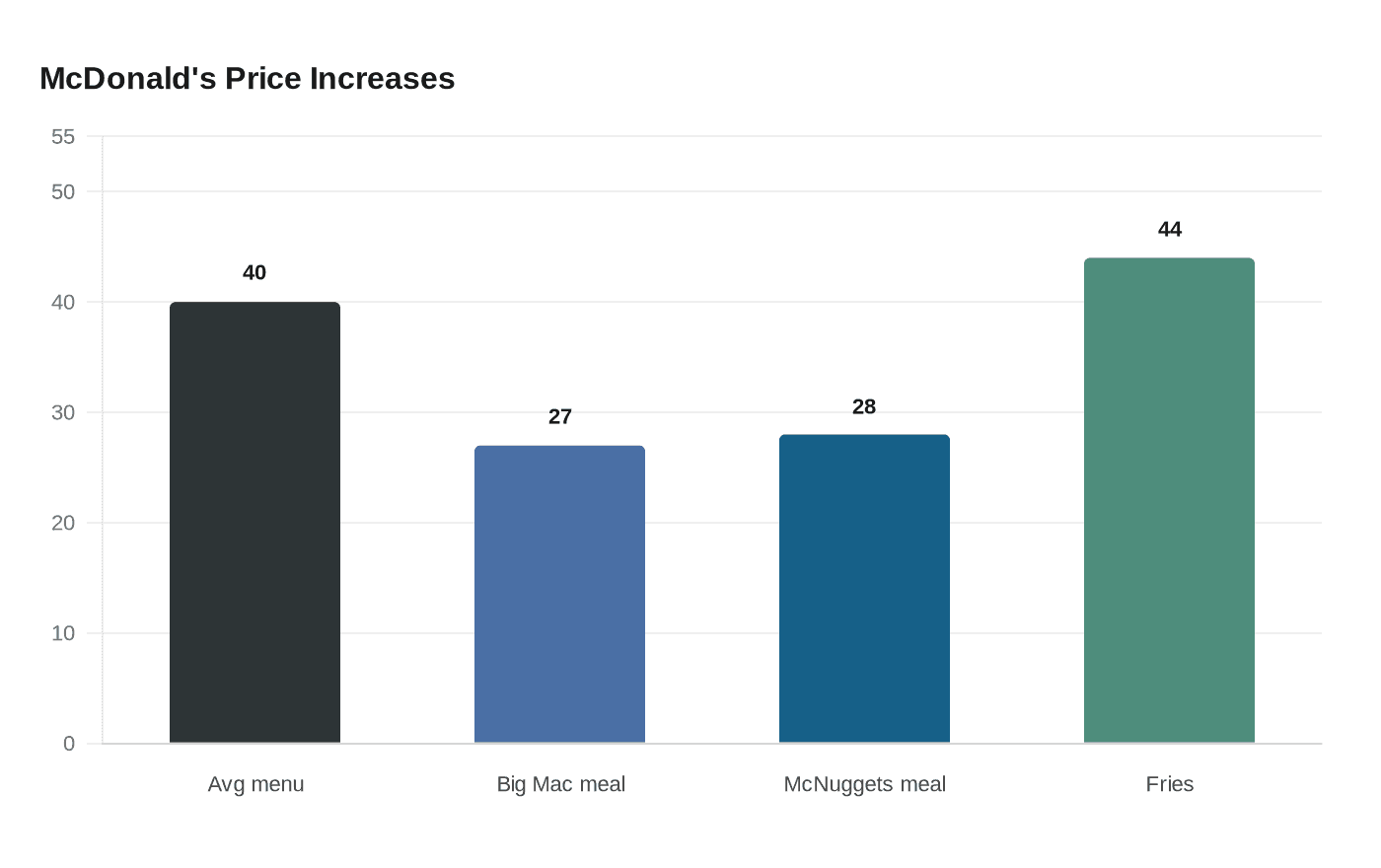
The boycott also landed at a moment when price pressure was already part of the McDonald’s conversation. Joe Erlinger said the company’s average U.S. menu prices were about 40% higher in 2024 than in 2019. He said Big Mac meals were up 27%, 10-piece McNuggets meals were up 28%, and medium fries were up 44%. McDonald’s later reported that U.S. same-store sales fell 3.6% in the first quarter of 2025, its worst U.S. sales decline since the pandemic era, which gave organizers a more receptive backdrop among value-minded customers.
The scale of the company made the protest harder to dismiss. McDonald’s said it operates or franchises more than 42,000 restaurants worldwide, including nearly 13,400 in the United States. The company has said it supports 1.1 million jobs nationwide and provides work for more than 800,000 restaurant employees. It has also said more than 30% of its U.S. leaders were from underrepresented groups and that it had achieved gender pay equity at all levels and in every market.
The boycott gained another layer of friction when a group of Black former McDonald’s franchise owners, already suing the company over alleged discriminatory practices, joined the protest. That gave the campaign a franchisee and race-based edge that resonated beyond a single week of consumer activism. Most McDonald’s restaurants are independently owned and operated, and franchisees set their own employment policies and practices, so the pressure on the brand did not land evenly across every store. For the crews running breakfast rush, lunch line, and late-night close, the real strain was less about slogans than about what happens when a national fight turns into one more thing to manage on shift.
This article was produced by Prism’s automated news system from verified source data, official records, and press releases, then run through automated quality and moderation checks before publishing. The system is built and supervised by the people who set the standards it runs under. Read our full AI policy.
Did this article answer your question?