Coralogix raises $200 million as AI observability gains ground
Coralogix’s $200 million round shows AI observability is moving from theory to budget line as monday.com pushes agents into live workflows.
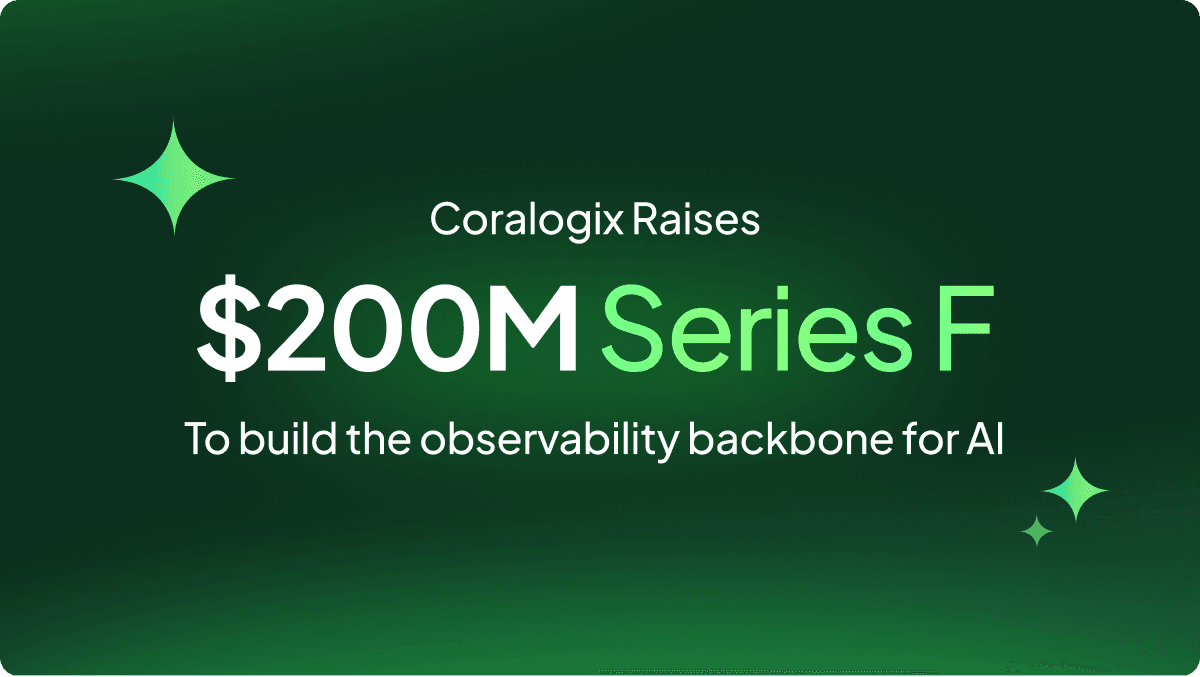
Coralogix’s $200 million Series F is a sign that AI observability is moving from theory to a real buying category. The Boston-headquartered software-monitoring company, founded in Israel, said the new round lifted total funding to $550 million and valued the company at $1.6 billion post-money, a bet that enterprises will need to watch AI agents the way they already watch production software.
Coralogix said the round, announced June 3, was led by Advent and CPPIB, with participation from Greenfield and Brighton Park Capital. The company framed the money as fuel for an observability platform for the “age of AI,” where AI agents and human engineers analyze, manage, and operationalize data together. Advent partner Alek Ferro said observability is becoming a “core layer of business intelligence,” a phrase that captures where the market is heading as autonomous software starts moving from demos into core systems.
That shift matters directly for monday.com, which has spent the spring pushing deeper into agentic workflow execution. On March 11, the company said it had built infrastructure that lets AI agents sign up, authenticate, access the platform, and execute work alongside human teams. On May 6, monday.com said it was going “all in on AI” and repositioning itself as an “AI Work Platform.” In its first-quarter 2026 results, monday.com said native agents were part of that strategy and reported revenue of $351.3 million, up 24% year over year.

For monday.com’s product and engineering teams, Coralogix’s raise is a reminder that the next layer of competition is not only who can ship the most agent features, but who can make those agents trustworthy inside a customer’s operating stack. If AI agents are creating tasks, moving data, triggering approvals, and touching permissions, customers will want more than automation. They will want logging, exception handling, policy controls, and a clear audit trail when something goes wrong.
That is especially true for a company serving more than 250,000 organizations. Gartner said in 2025 that only 15% of IT application leaders were considering, piloting, or deploying fully autonomous AI agents, even as it forecast that 40% of enterprise applications would be integrated with task-specific AI agents by the end of 2026. Forrester said more than 70% of organizations already had generative or predictive AI in production in 2025, but many still lacked the governance and strategic clarity to get full value from it.
For monday.com, that makes observability part of the customer promise, not just an internal engineering concern. The companies that win the next phase of AI work software will be the ones that can make agent activity visible, governable, and safe enough for everyday use.
This article was produced by Prism’s automated news system from verified source data, official records, and press releases, then run through automated quality and moderation checks before publishing. The system is built and supervised by the people who set the standards it runs under. Read our full AI policy.
Know something we missed? Have a correction or additional information?
Submit a Tip