Behaviour Interactive confirms layoffs, warning of weaker external development demand
Behaviour Interactive cut external-development roles as mobile and casual demand cooled, showing how a hit studio can still become a partner-risk problem for publishers.
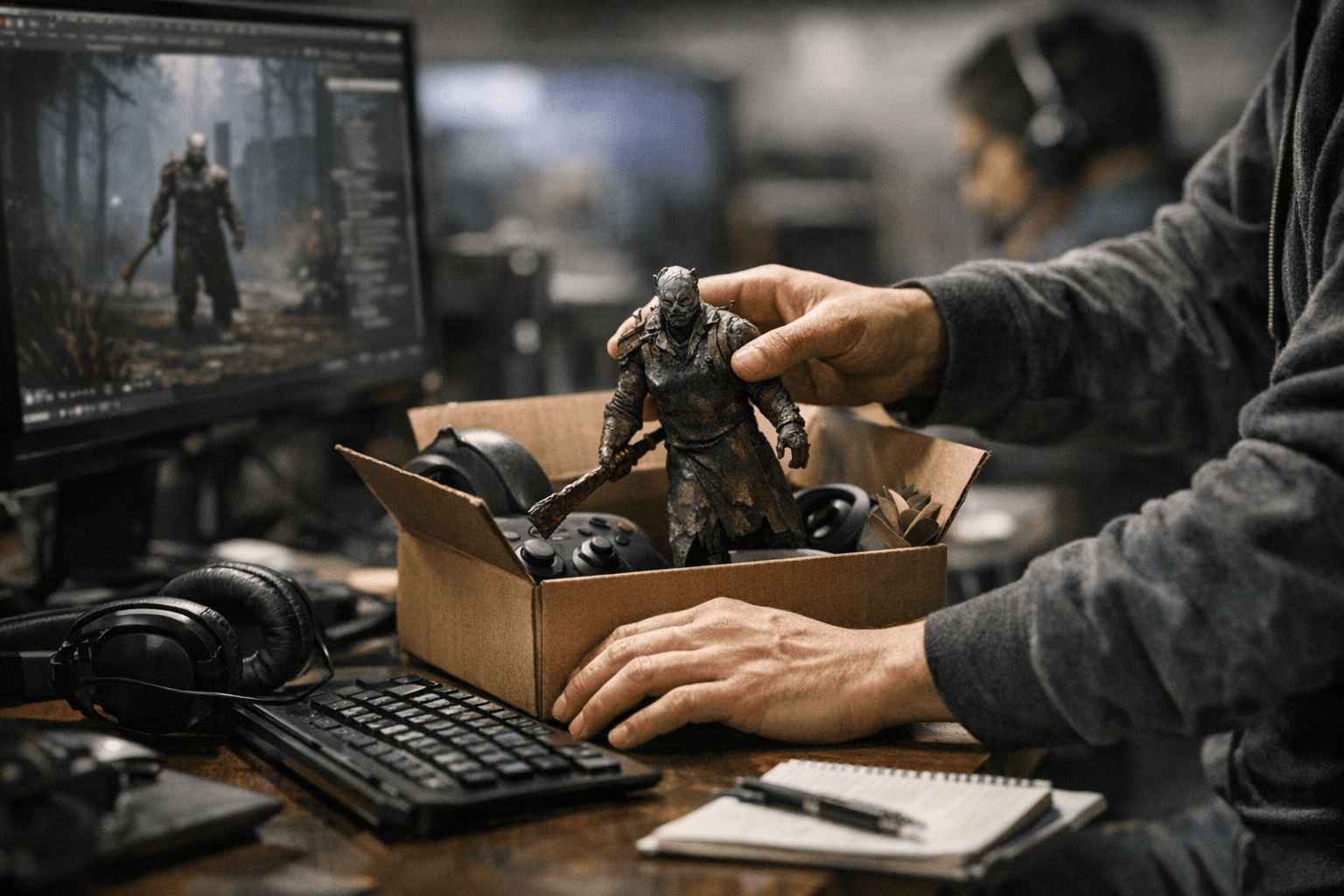
Behaviour Interactive’s layoffs landed as a warning shot for any publisher that leans on outside production partners. The Dead by Daylight studio said the cuts hit part of its external development business after demand for mobile and casual projects declined, and a spokesperson said the company did not see comparable opportunities in the near term.
That matters far beyond Montreal. Behaviour has worked with Nintendo, EA, Tencent, Disney and NetEase, and its public profile says the company employed more than 1,200 people across Montreal, Vancouver, Toronto, Rotterdam and the United Kingdom. For a platform business built on co-development, porting, support work and specialized vendors, that kind of sudden retrenchment can ripple into schedules, certification risk and the loss of institutional knowledge that production teams rely on to keep a project moving.
Behaviour’s own story shows how unstable that balance can be. Founded in 1992, the company has described itself as Canada’s largest independent game developer and publisher. Dead by Daylight has become its signature success, rising from 60 million players worldwide in 2022 to more than 70 million players by late 2025, even as the broader external-development side of the business came under pressure. The contrast is stark: a company can have a globally recognized live game and still need to pull back from adjacent work that once helped fill its pipeline.
The layoffs also fit a pattern. Game Developer reported 95 job cuts in June 2024 as part of a strategic corporate change, and an earlier report said 45 people were laid off in Montreal in December 2023. Behaviour also announced executive appointments in January 2026, another sign that leadership has been trying to rebalance priorities while parts of the business weaken.
For Nintendo production teams, the lesson is not just that partners can downsize. It is that vendor health is a production issue. When an external studio loses momentum in mobile or casual work, Nintendo may need to re-scope tasks, move technical ownership, or rebuild handoffs in the middle of a milestone cycle. That is especially risky in a system where quality standards, localization timing and platform compliance all depend on steady collaboration across borders.
Behaviour is still preparing to celebrate Dead by Daylight’s 10th anniversary, with a Montreal event planned for June 14, 2026 in Montreal’s Old Port. But the timing only sharpens the larger point: a studio can look durable from the outside while its contract-development business becomes far less predictable. For publishers, the real lesson is that partner stability is part of release confidence.
Know something we missed? Have a correction or additional information?
Submit a Tip