EA Advertising launch highlights rising ad pressure on Nintendo's model
EA’s new ad platform put Visa, Red Bull and Mountain Dew inside gameplay, sharpening Nintendo’s case for restraint on brand safety and player trust.
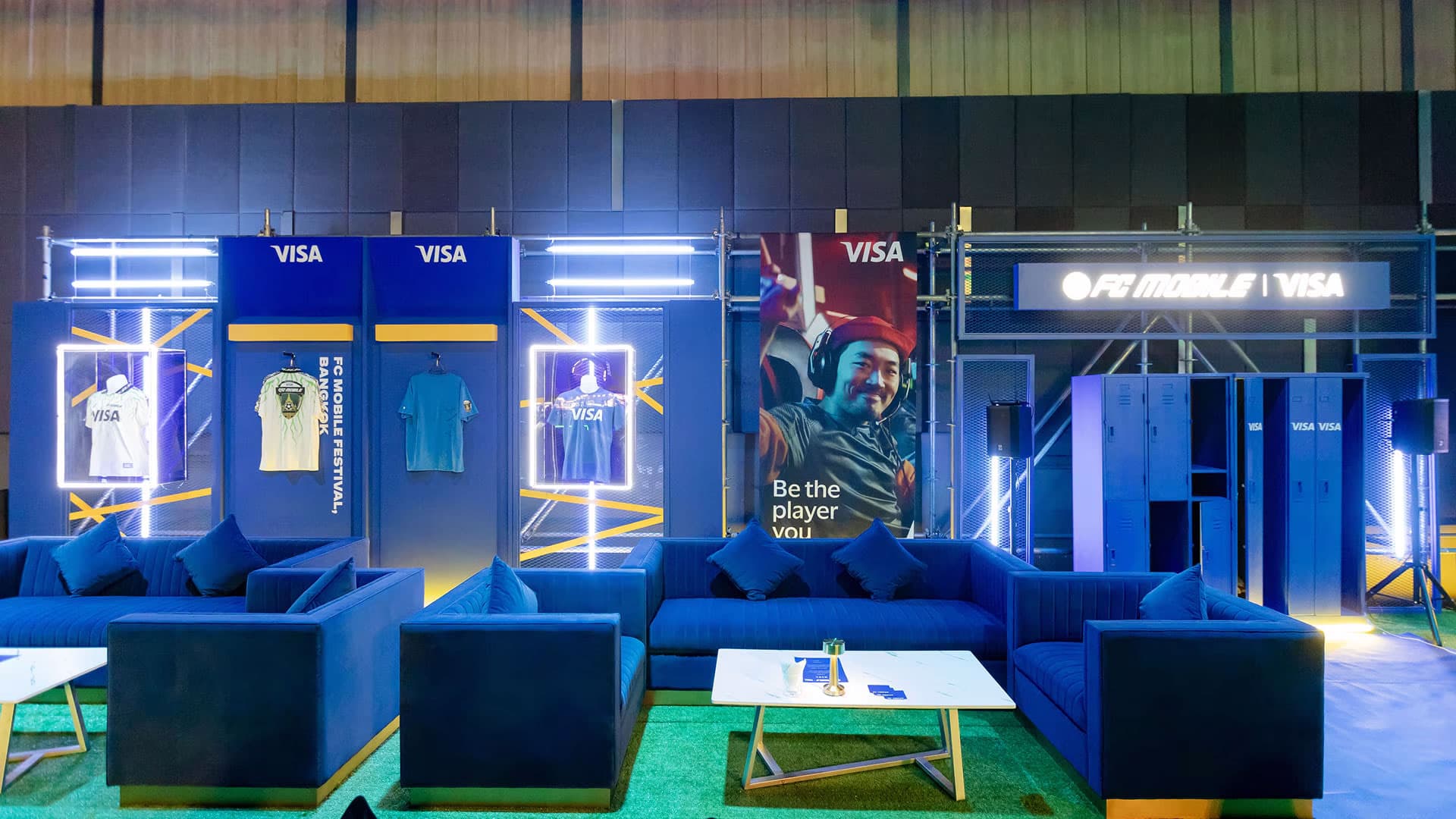
EA’s June 15 launch of EA Advertising turned a long-running industry debate into a formal product: brands could now be placed directly into gameplay and live experiences. Launch partners included Visa, Red Bull, Xfinity, Lowe’s, Peacock and Mountain Dew, a lineup that showed how quickly in-game inventory can move from a theoretical pitch to a packaged sales channel.
The platform was framed as a way to connect brands with fans across EA’s game portfolio, from stadium signage to custom content. That matters well beyond EA because it gives the market a clearer signal about where monetization is heading. Publishers are not just looking for more ad money; they are looking for more surfaces, more dynamic placements and more ways to turn play spaces into inventory.

For Nintendo, that pressure lands on a company that has spent decades making a different promise to players. Its value has been tied to family-friendly presentation, premium first-party craftsmanship and tightly controlled brand environments. When a rival formalizes advertising deeper inside games, Nintendo’s product, marketing and business teams get a sharper test: is restraint a weakness, or part of the premium proposition?
That question reaches into development culture, not just external messaging. Designers and UX staff have to think about pacing, immersion and trust if the rest of the market keeps normalizing ads inside gameplay. A platform that sells less interruption can also sell more certainty, especially to families and longtime players who expect Nintendo to protect the feel of its worlds rather than convert them into ad real estate.
The bigger issue is strategic. If brand placements become standard in live-service economics, Nintendo will have to decide where, if anywhere, they fit without colliding with its product philosophy. Ads may be easier to justify in always-online games with frequent content updates and clear commercial loops. They look much harder to defend when they risk breaking flow, weakening character-driven experiences or blurring the line between play and promotion.
That is why EA’s move matters inside Nintendo even if Nintendo never follows it. It raises the cost of saying no, but it also makes the company’s difference easier to explain. In a market pushing harder on monetization, Nintendo’s discipline around brand safety and player experience may become one of its most valuable business assets.
This article was produced by Prism’s automated news system from verified source data, official records, and press releases, then run through automated quality and moderation checks before publishing. The system is built and supervised by the people who set the standards it runs under. Read our full AI policy.
Did this article answer your question?
