GDC report shows game workers underpaid, insecure, and facing pay gaps
A new GDC salary survey found US game workers averaging $142,000, yet most still feel underpaid and insecure.
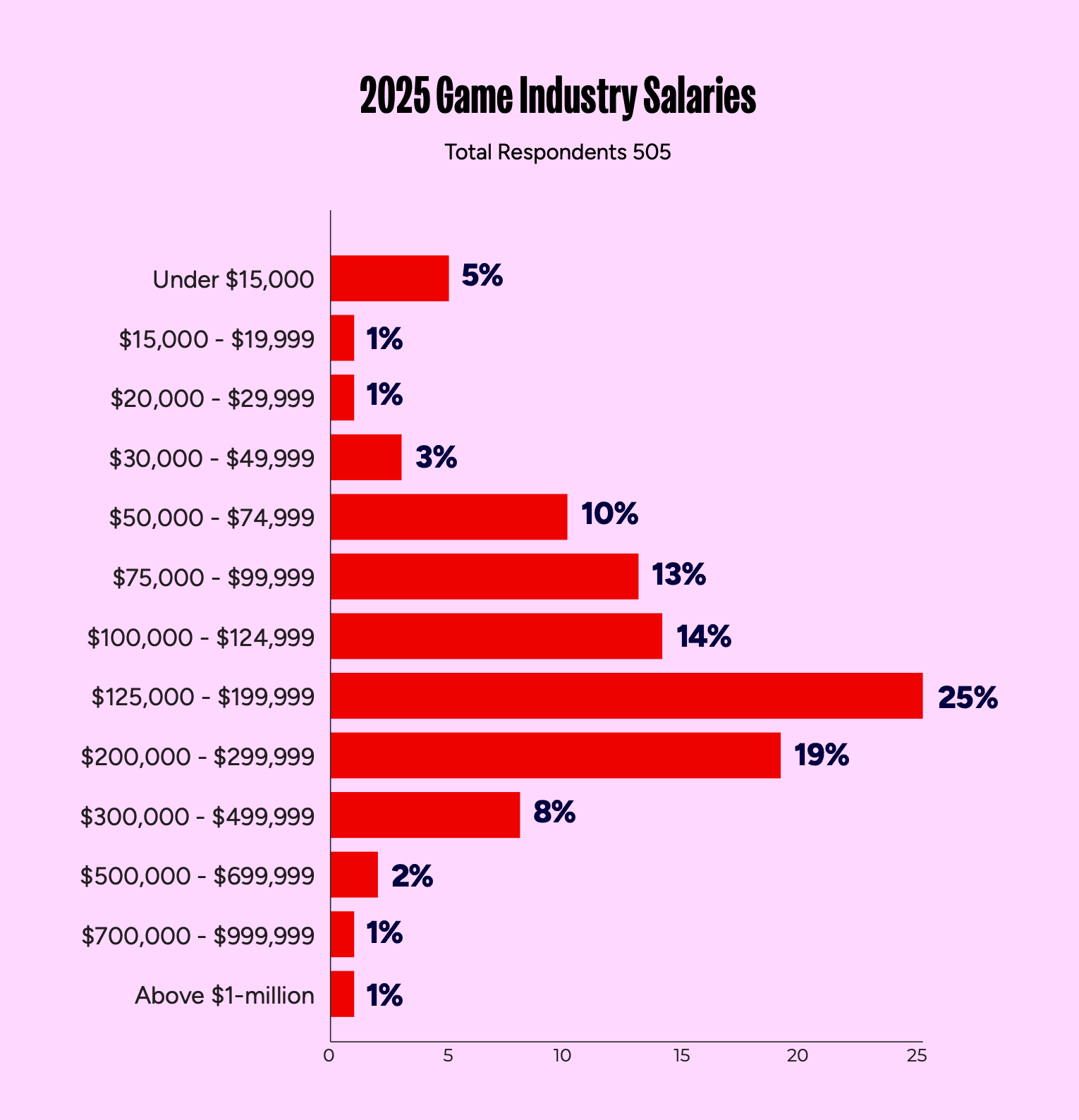
Game workers are taking home six-figure salaries on average, but the latest GDC salary snapshot shows why pay talks in this industry still feel so fraught. More than 500 US-based respondents reported an average salary of about $142,000 and a median of $129,000, yet only about one-third said they felt fairly compensated. More than half said they were undercompensated, one-fourth said they had been laid off in the last 24 months, and 80% of employed respondents described game development as less secure than other careers.
For Nintendo staff and candidates looking at Redmond, Washington, that makes the offer letter only the starting point. Nintendo of America says it serves as headquarters for Nintendo’s operations in the Americas and works with Nintendo Co., Ltd. to bring Mario, Donkey Kong, The Legend of Zelda, Metroid, Animal Crossing, Pikmin and Splatoon across the region through games, hardware and other entertainment efforts. That brand power can make a job feel like a prestige move, but the salary survey suggests workers are still asking whether the name on the badge is worth the tradeoff in pay and stability.
The comparison needs to be done carefully, function by function and level by level. Nintendo’s careers pages show open roles in Redmond across marketing, operations, engineering, HR, localization and finance, and many postings include a base pay range, a semi-annual discretionary performance bonus, and benefits such as medical, dental, vision, 401(k) and paid time off. A candidate who looks only at base salary can miss the full picture, especially when geography changes what a number means in practice and seniority changes how far a band can stretch.
That matters in an industry where the GDC survey also found persistent gaps. Non-white workers earned less on average than white peers, and women earned less than men. GDC said the 2025 State of the Game Industry survey was its 13th annual survey, and it framed the results against widespread layoffs, studio closures and economic uncertainty. In a separate teaser, 64% of respondents supported unionization, a sign that pay frustration has hardened into broader distrust about how the industry shares risk.

For Nintendo, the lesson is as much about retention as recruiting. The company has long sold itself on culture, employee development and a work-life message that ties work and play together. That brand can still carry weight, but candidates will want to test every offer against the local market, the role’s scope and the team’s stability before signing. The clearest benchmark is not the headline average; it is whether the total package, and the path ahead, make sense for the person taking the job.
The contrast is easy to see in Nintendo’s own history. CNBC reported that Satoru Iwata took a 50% pay cut in 2014 to help avoid layoffs after weak results, a rare move in an industry now defined more often by cuts than shared sacrifice.
This article was produced by Prism’s automated news system from verified source data, official records, and press releases, then run through automated quality and moderation checks before publishing. The system is built and supervised by the people who set the standards it runs under. Read our full AI policy.
Did this article answer your question?
